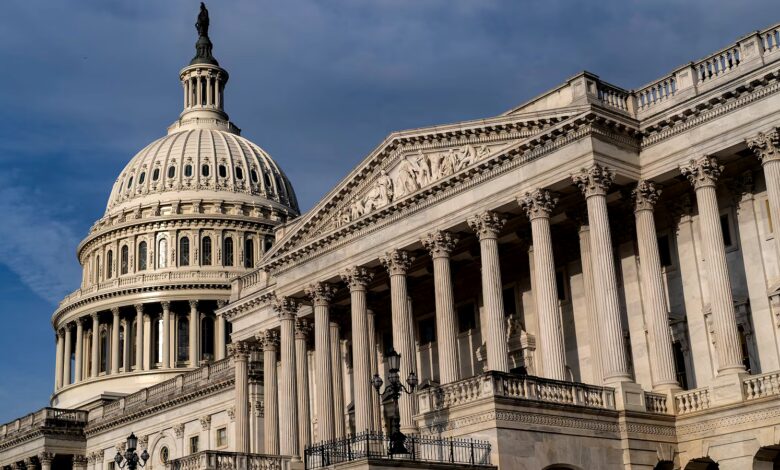
As Americans prepare to head to the polls on Nov. 3, the battle for control of the U.S. Senate has narrowed to a critical set of races that will determine the legislative agenda for the next two years. Currently, Republicans hold a 53-seat majority, while Democrats and two allied independents occupy 47 seats. For Democrats to reclaim the chamber, they must achieve a net gain of four seats. Conversely, Republicans can afford to lose up to three seats and still maintain control, provided Vice President JD Vance remains the tie-breaking vote.
While some contests have seen a decrease in investment—such as in Georgia, where efforts to unseat incumbent Sen. Jon Ossoff have slowed, and North Carolina, where Democratic former Gov. Roy Cooper is competing for a retiring GOP seat—several other states remain in a dead heat. From the industrial Midwest to the Alaskan frontier, the following races are expected to decide the balance of power.
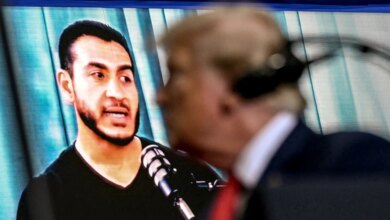
In Michigan, a bitter ideological and personal battle has emerged between Republican nominee Mike Rogers and progressive Democrat Abdul El-Sayed. Rogers, a former congressman who narrowly lost a 2024 Senate bid by fewer than 20,000 votes, is facing El-Sayed, a former health executive who won his primary against a moderate opponent. The campaign has been defined by sharp rhetoric; Republicans have labeled El-Sayed “radical” for his support of Medicare for All, while Donald Trump has used inflammatory language regarding El-Sayed’s faith and heritage. El-Sayed, the son of Egyptian immigrants, has dismissed these attacks as Islamophobic distractions from economic issues like the rising cost of gas and groceries. While Michigan has frequently supported Trump in recent presidential cycles, Democrats have maintained a winning streak in Senate races there dating back to 1994.
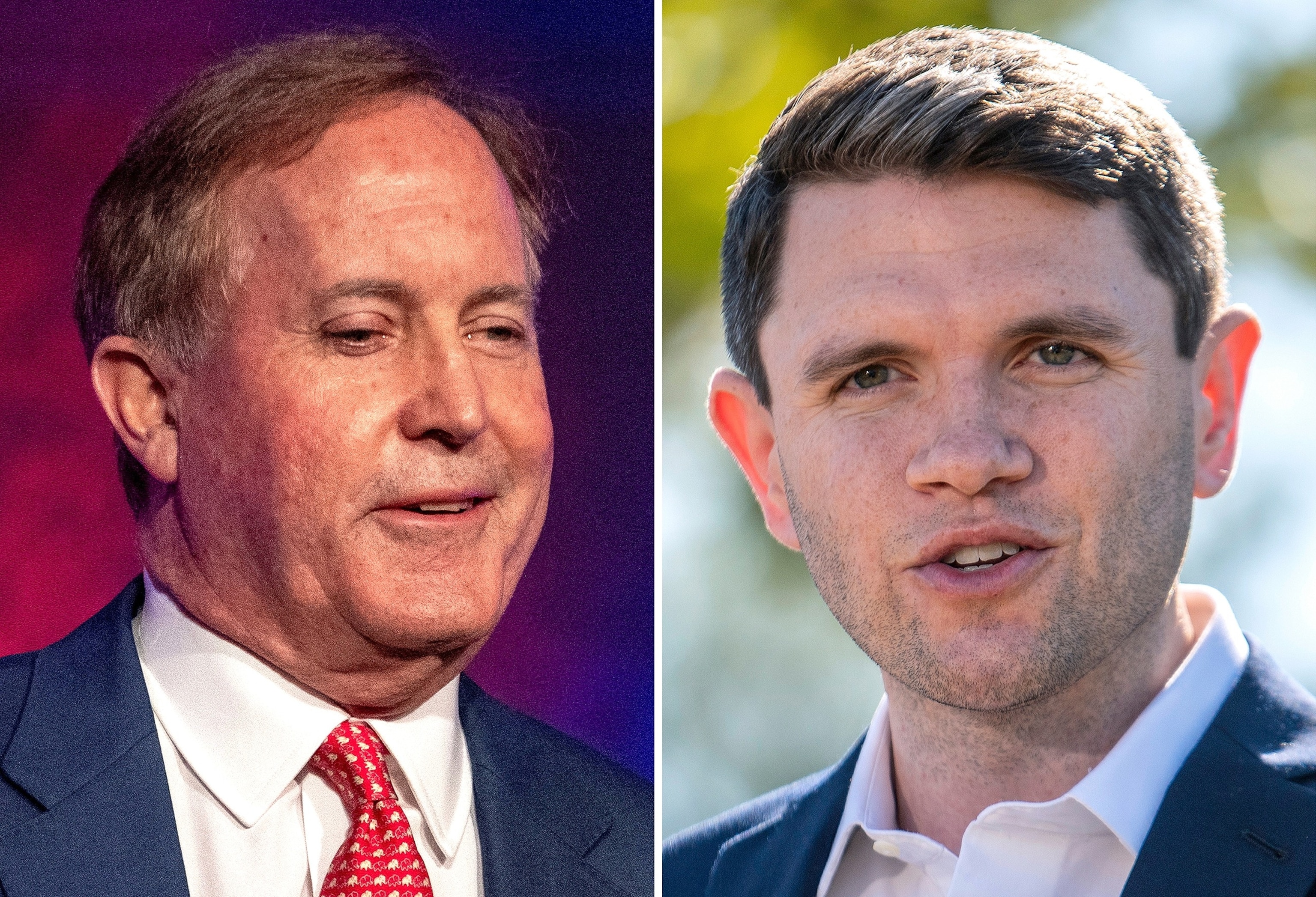
Texas has become the site of the most expensive Senate race in history, with outside groups pouring more than $250 million into the contest and total ad spending exceeding $500 million. Republican Attorney General Ken Paxton is defending the seat after defeating long-time incumbent Sen. John Cornyn in a primary runoff fueled by a late endorsement from Trump. Paxton’s candidacy comes with significant baggage, including a 2023 impeachment on corruption allegations—of which he was acquitted by the state Senate—and a 2015 securities fraud indictment that was resolved via a pretrial agreement. He faces Democrat James Talarico, a state representative and Presbyterian seminarian. Democrats hope Paxton’s legal history and voter concerns over affordability will help them break a 33-year drought in statewide Texas elections.
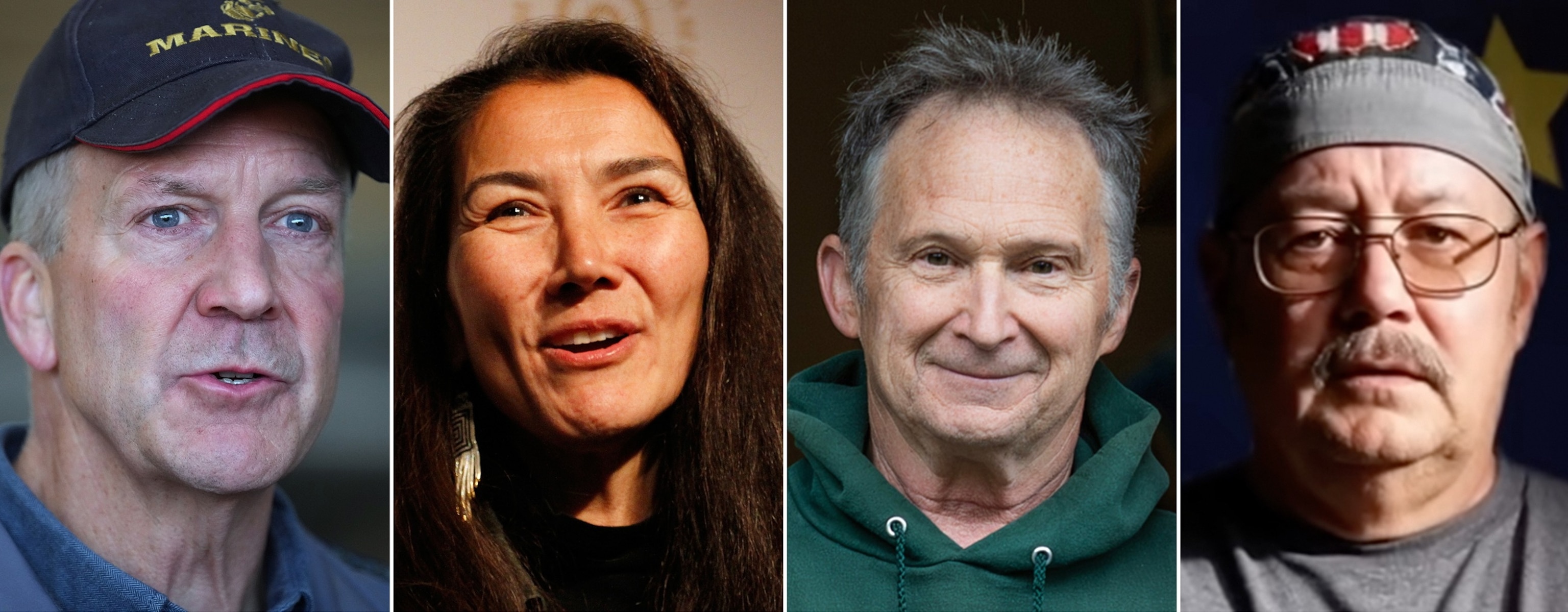
In Alaska, the race has taken an unusual turn due to the state’s ranked-choice voting system and a ballot featuring two candidates with the same name. Incumbent Republican Sen. Dan Sullivan is running for reelection against former Democratic Rep. Mary Peltola. However, a third candidate, an independent also named Dan Sullivan, is also on the ballot, leading to Republican concerns regarding voter confusion. The field is rounded out by Republican Gerald Heikes. The stakes are high enough that Trump has already directed the Justice Department to prepare legal action to block certification of the results if the incumbent Sullivan loses by a narrow margin.
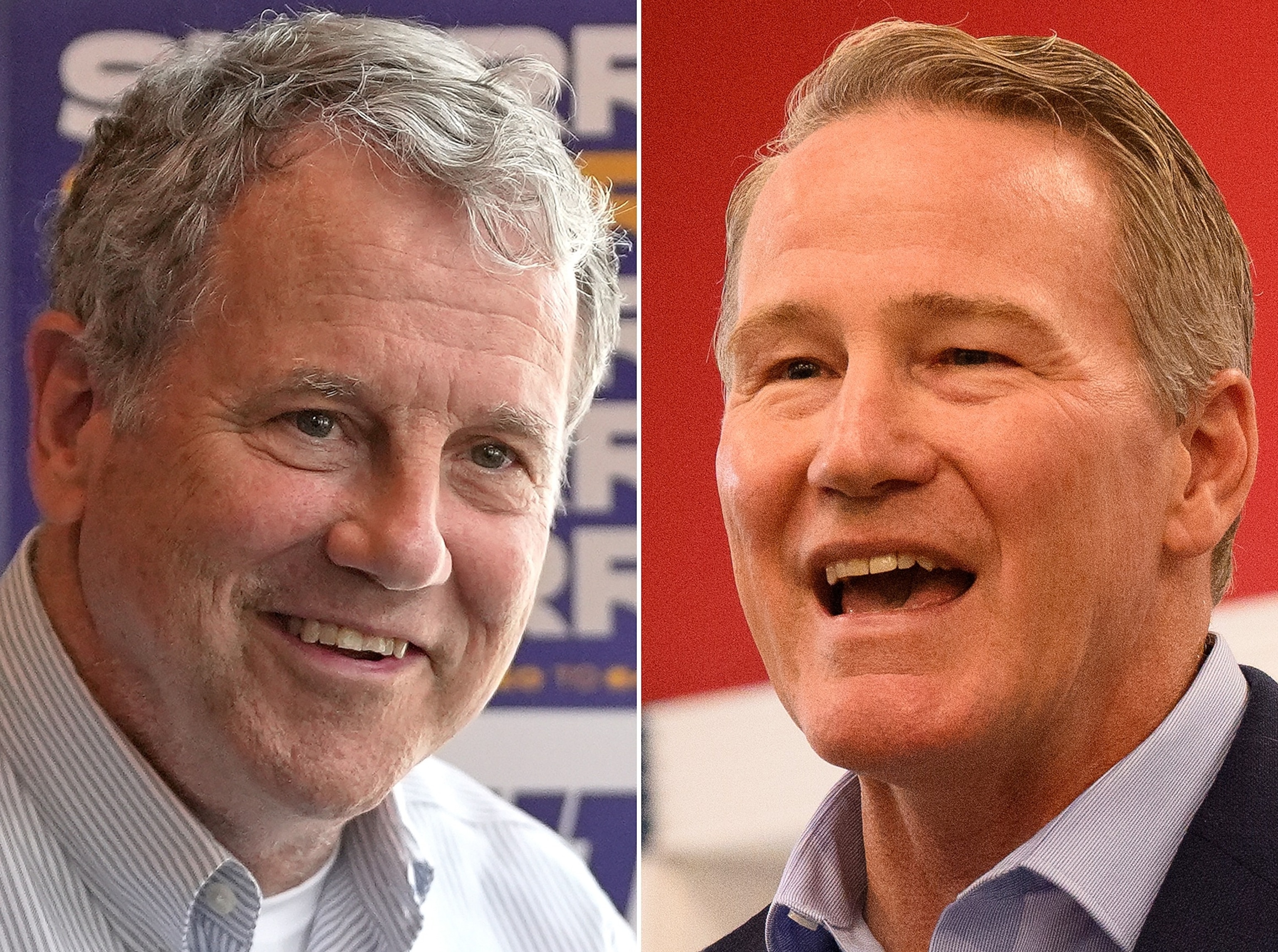
Ohio features a rare matchup between an appointed incumbent and a former officeholder seeking a return to the chamber. Republican John Husted, who was appointed by Gov. Mike DeWine in 2025 to fill the vacancy left by JD Vance, is facing former Sen. Sherrod Brown. Brown, who lost his seat in 2024 to Bernie Moreno, is pitching himself to working-class voters by focusing on cost-of-living concerns. Husted, making his first appearance on a statewide ballot, is navigating a political landscape where voters are increasingly concerned about the expansion of data centers and general economic affordability.
In Kansas, a state Republicans have held in the Senate for nearly a century, incumbent Sen. Roger Marshall has acknowledged a “quite close” race against Democrat Adam Hamilton. Hamilton, the reverend of the nation’s largest United Methodist congregation, has campaigned as an independent-minded Democrat, focusing on economic policies he links to Marshall. Marshall, a physician and staunch Trump ally, has countered by characterizing Hamilton as “too woke” for the state’s electorate.
Maine’s veteran Republican Sen. Susan Collins is facing a challenge from Troy Jackson, the former state Senate president. Jackson entered the race late after the original Democratic nominee withdrew amid allegations of misconduct. Jackson has centered his campaign on Collins’ judicial confirmation votes, specifically the appointment of Justice Brett Kavanaugh, which he argues paved the way for the overturning of Roe v. Wade. Collins is leaning on her moderate reputation and her influential position as chair of the Senate Appropriations Committee to maintain her seat.
Finally, Iowa has emerged as a surprise battleground. Republican Rep. Ashley Hinson is vying to replace retiring Sen. Joni Ernst, but she faces a strong challenge from Democrat Josh Turek, a state representative and Paralympic gold medalist. The race has been heavily influenced by the economic fallout of the Iran war, which has significantly impacted the state’s agricultural sector. While Trump won Iowa by a large margin in 2024, the pressure on farmers has given Turek an opening in a state that has not sent a Democrat to the Senate in nearly two decades.