Israelis are heading to the polls today in what is being described as one of the most significant and consequential elections in the nation’s history. The vote serves as a high-stakes referendum on the long-standing leadership of Prime Minister Benjamin Netanyahu, coming at a time when the country remains deeply divided over its future security, democratic integrity, and the military path forward following years of regional instability.
The central theme of the campaign has been the legacy of the current government and its handling of the Hamas-led attacks on October 7. For many voters, this is the first opportunity to hold Netanyahu accountable for the security lapses that preceded those events. Conversely, the Prime Minister has centered his appeal on his military record, claiming unprecedented successes during the three years of conflict that followed the initial tragedy. The rival camps have framed the stakes in existential terms, with both sides warning that a victory for their opponents could lead to national ruin.
Driving much of the final week of the campaign was Netanyahu’s intense focus on the threat posed by Iran. Having previously claimed that Israeli military operations had successfully dismantled Iranian nuclear capabilities, the Prime Minister shifted his rhetoric to warn that Tehran is currently on the verge of developing a nuclear weapon. This messaging was reinforced by controversial campaign tactics, including the distribution of an AI-generated image depicting the destruction of Tel Aviv by a nuclear blast—a move intended to suggest that such a catastrophe is inevitable if the current government is unseated.
Internal reports suggest that the Prime Minister’s focus on Iran went beyond campaign rhetoric. In the weeks leading up to the election, Netanyahu reportedly sought a “green light” from the United States to conduct a preemptive strike on Iranian targets, though President Donald Trump did not provide such authorization. Further friction emerged within the Israeli defense establishment in the final 72 hours before the polls opened. Israeli officials indicate that Netanyahu attempted to order the Israel Defense Forces (IDF) to prepare for immediate military action or significant covert strikes against Iran.
This directive was reportedly met with firm resistance from IDF Chief of Staff General Eyal Zamir. The general cautioned that such a move lacked operational urgency and risked a severe miscalculation that could escalate into a broader regional war. Zamir also warned that such an escalation might force the postponement or cancellation of the national elections. Faced with this pushback from his top military commander, Netanyahu eventually retreated from the proposed course of action.
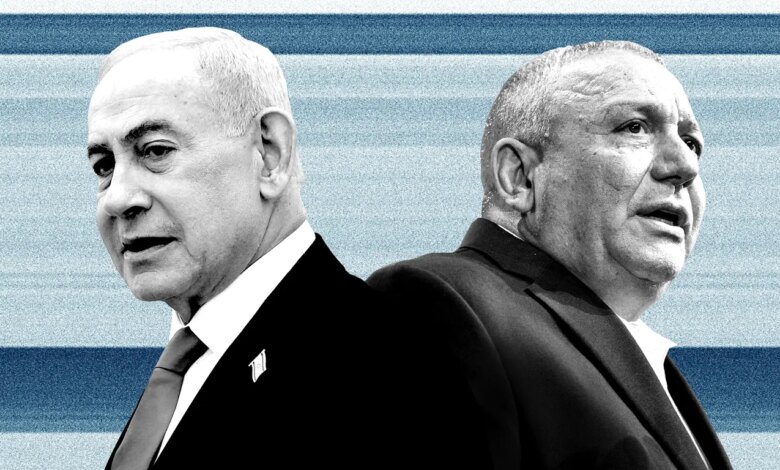
The opposition, led by former IDF Chief of Staff Gadi Eisenkot, has focused its platform on accountability. Eisenkot has called for the immediate formation of a national commission of inquiry into the failures surrounding October 7 and has advocated for the drafting of ultra-Orthodox men into military service to bolster the IDF after years of continuous combat. Another prominent challenger, former Prime Minister Naftali Bennett, has campaigned heavily against what he describes as extreme government dysfunction under Netanyahu’s leadership.
Both Eisenkot and Bennett have also leveraged a scandal involving Netanyahu’s inner circle. Allegations have surfaced that some of the Prime Minister’s closest advisers and his campaign manager received payments from Qatar in exchange for attempting to influence Israeli public opinion during the war. While Netanyahu has denied knowledge of these payments, and the aides involved claimed the funds were related to a World Cup project, Bennett has characterized the arrangement as an act of treason.
The electoral landscape remains volatile. Netanyahu’s bloc, consisting of ultranationalist and ultra-Orthodox parties, enters the day grappling with internal divisions and low voter morale. There is a tangible risk for the coalition that some smaller pro-Netanyahu parties may fail to meet the 3.25% electoral threshold required to enter the Knesset, effectively wasting those votes.
In contrast, the opposition bloc appears more organized and highly motivated. Civil society organizations have engaged in extensive canvassing efforts to drive turnout. This includes an estimated 50,000 Israelis who have returned from abroad specifically to participate in the vote, most of whom are expected to support opposition candidates. Turnout among Israel’s Arab minority is also projected to reach historic levels, with the two primary Arab parties expected to secure approximately 15 seats. In a 120-seat parliament where 61 are needed for a majority, this bloc could prove decisive.
However, the path for the opposition is not without hurdles. The final days of the race were marked by public disagreements within the opposition bloc, with some factions hesitant to fully embrace Eisenkot’s leadership. Furthermore, Netanyahu’s political career has been defined by his ability to survive seemingly insurmountable odds. Even if he fails to secure a clear majority, his strategy may focus on securing enough seats to prevent the opposition from forming its own coalition. Such a stalemate would allow Netanyahu to remain as a caretaker prime minister for up to six months while the country prepares for yet another election.
With more than 7 million citizens eligible to vote, turnout is expected to reach its highest level in decades. As the polls close, the immediate focus will be on whether Eisenkot can quickly unify a disparate group of political partners to unseat the incumbent, or if Netanyahu will find a path to retain power through the complex mathematics of Israeli coalition building.