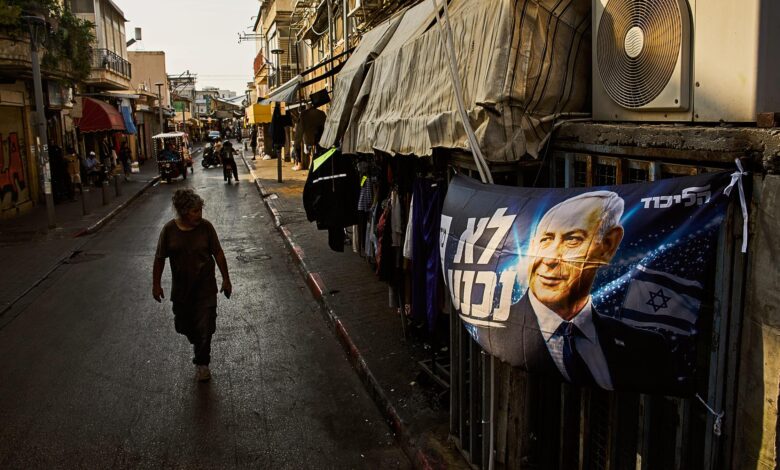
In Tel Aviv, the towering election banners of Prime Minister Benjamin Netanyahu are a familiar sight, but as the October 27 general election nears, they hang over a nation fundamentally changed. Seventy-eight years after its founding, the world’s only Jewish state is approaching a vote that serves as both a referendum on its longest-serving leader and a struggle to define its very identity. The stakes, according to local residents and political veterans alike, have never been higher.
High on a ridge in the West Bank settlement of Neve Daniel, the political fervor of the campaign is palpable. From this vantage point, 1,000 meters above sea level, one can see the mountains of Jordan to the east and the Mediterranean coastal plain to the west. While the landscape is tranquil, the rhetoric of those who live here is not. Residents like Barak Moore, who has called Neve Daniel home for 14 years, are driven by the lingering trauma of October 7, 2023. For Moore, the current administration’s handling of aid to Gaza is a flashpoint. He expresses a fierce opposition to the delivery of commercial goods and international aid to the Gaza Strip, viewing it as a subsidy to the organization responsible for the greatest tragedy in modern Jewish history.
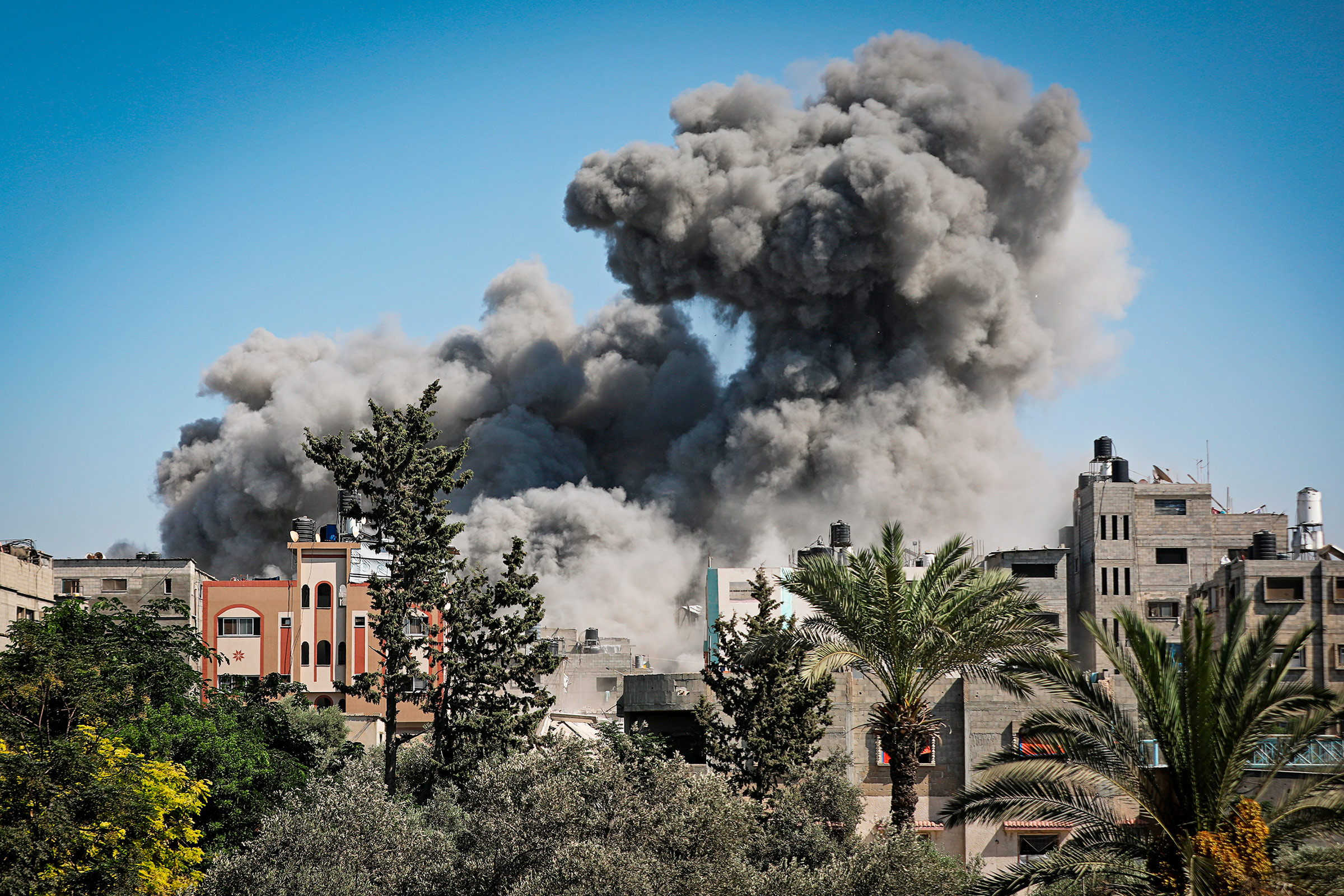
This sentiment reflects a society still deeply scarred. While international attention often focuses on the high number of Palestinian fatalities in Gaza—estimated at 75,000 since the war began—Israelis remain intensely focused on the 1,200 people killed on their own soil and the 251 hostages taken during the initial Hamas incursion. The memory of sexual violence, the loss of children, and the families burned in their homes has shattered long-held assumptions about national security and the state’s ability to protect its citizens.
Netanyahu, who has mastered the art of political survival through decades of scandal and indictment, faces a fractured but formidable field of challengers. Leading the pack is Gadi Eisenkot, a former military chief of staff known for a sober, measured demeanor that contrasts sharply with Netanyahu’s often polarizing style. Eisenkot’s campaign is deeply personal; he lost his son, Gal, and a nephew in the fighting in Gaza. Running as a centrist, he frames the election as a battle for the soul of the country, asking voters what Israel will look like in 10 or 20 years.
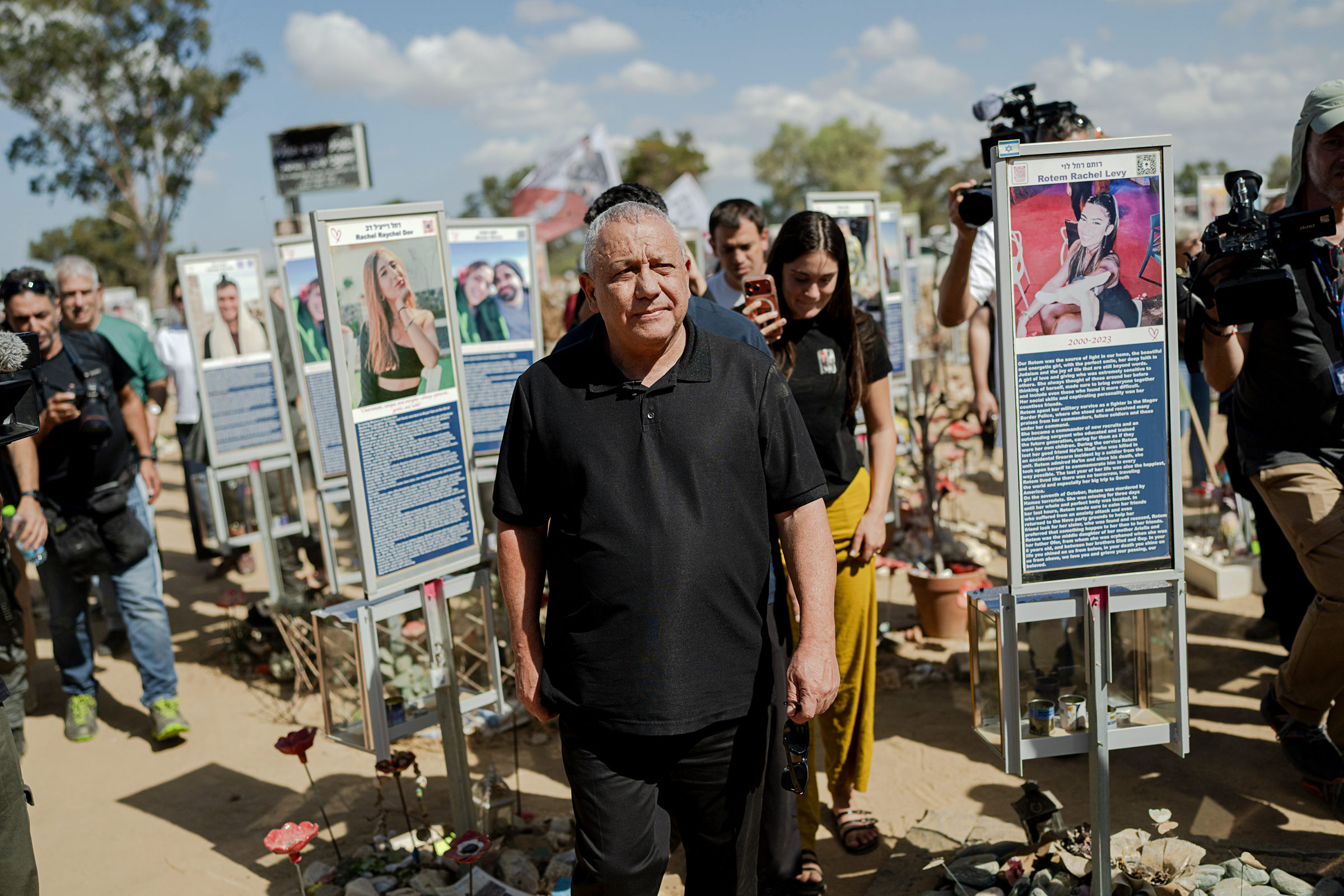
Other significant challengers include former Prime Minister Naftali Bennett, seeking a political comeback; Yair Lapid, the centrist former premier; and Avigdor Lieberman, a hawkish secular nationalist who was once an ally of the Prime Minister but has since become one of his most vocal critics. Additionally, the far-right figures Itamar Ben-Gvir and Bezalel Smotrich remain central to the conversation. Their ambitions to annex the West Bank and resettle Gaza have provided Netanyahu with a governing coalition but have also complicated Israel’s international standing.
Political analysts, including Nimrod Nor of Hebrew University, suggest several potential outcomes for the October vote. One possibility is a unity government between Netanyahu and Eisenkot. Sources close to the Prime Minister indicate he may prefer this route to escape the influence of his more radical right-wing partners, Ben-Gvir and Smotrich. Netanyahu, these sources say, believes a centrist alliance offers his best hope for a legacy that transcends the security failures of 2023. However, if no clear majority of 61 Knesset seats is reached, Israel could be plunged into the same cycle of political paralysis that led to five elections between 2019 and 2022.
The pressure from the right remains a constant force. In settlements like Neve Daniel, where many residents view Netanyahu as a cynical opportunist, there is a push to keep him from drifting toward the center. Voters like Avi Abelow, who runs a nationalist activist website, argue that the government has not gone far enough in Gaza, advocating for total conquest. Meanwhile, younger voters like 19-year-old Hershey Helner, an Orthodox Jew who recently moved from New Jersey, support Ben-Gvir’s more confrontational policies, including expanding gun ownership and instituting the death penalty for terrorists.
This ideological divide is not limited to security policy; it permeates every corner of Israeli life. The nation is split between the secular and the religious, the liberals and the nationalists, and those who serve in the military versus the ultra-Orthodox who are largely exempt. A recent survey by the Agam Institute and Hebrew University found that 59% of Israelis believe internal threats to the country are now greater than external ones. Perhaps more striking is that 64% of respondents admitted to considering leaving the country, citing political instability and the rising cost of living. In a nation of 10 million, the potential exit of highly educated young citizens could have devastating long-term effects on the economy and the military.
Netanyahu is banking on a “siege mentality” to secure his victory. He presents himself as the only leader experienced and ruthless enough to navigate a world that has become increasingly hostile toward Israel. This sense of isolation is reinforced by a global surge in antisemitism, with 2025 recorded as the deadliest year for Jews in the diaspora in over three decades.
The cultural rift within the country is further illustrated by two recent media productions. A documentary titled ‘NAZA’ features anonymous testimony from soldiers regarding the military’s use of artificial intelligence in Gaza, focusing on civilian casualties. Conversely, the popular thriller ‘Fauda’ has dedicated its fifth season to a harrowing recreation of the October 7 attacks. One emphasizes the suffering inflicted by the state, the other the suffering endured by it, perfectly capturing the competing narratives currently at war within the Israeli psyche.
As the campaign enters its final days, rallies across the country—like those at Kibbutz Netzer Sereni near Tel Aviv—show a population desperate for change but uncertain of how to achieve it. Voters like Livna Savir, who supports Eisenkot, lament the divisions that have torn families apart. Regardless of the winner, the next government will face the Herculean task of reconciling a nation that has spent three years at war with its neighbors, and itself.