
In May 2023, the Pentagon’s multi-billion-dollar F-35 fighter jet program faced mounting scrutiny. Already a decade behind schedule and nearly $200 billion over its original cost projections, the aircraft encountered fresh criticism from the Government Accountability Office. An internal federal watchdog report detailed a cascade of problems and criticized the Pentagon for combining engine and cooling system upgrades with overall plane purchases, a move the agency warned would obscure congressional oversight of cost increases. The report also faulted contractors for delayed deliveries.
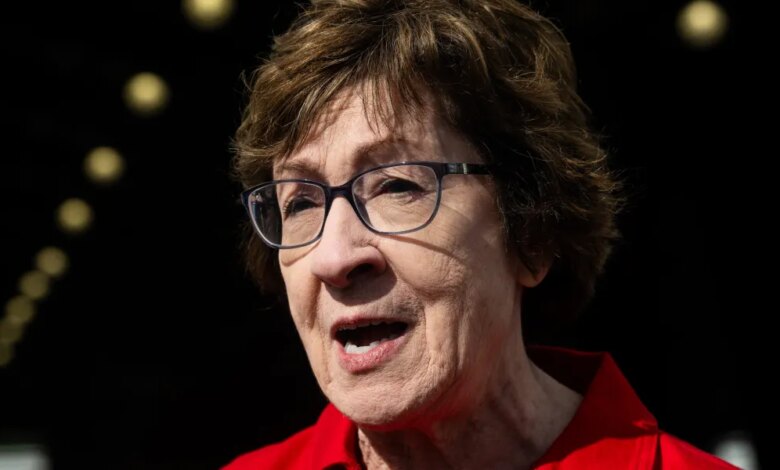
The timing proved delicate for Lockheed Martin, the primary defense giant overseeing the aircraft’s development, as Congress prepared to debate the Pentagon’s upcoming budget and authorize new funding for fleet acquisitions. Over a two-month period from May 1 to June 30, 2023, employees, executives, and lobbyists for Lockheed Martin engaged in a coordinated fundraising effort, according to data from the political finance watchdog OpenSecrets. At the center of this financial activity was U.S. Senator Susan Collins of Maine, who at the time served as the ranking member on the Defense Appropriations Subcommittee.
Federal Election Commission records show that employees and top executives from Lockheed Martin donated $59,500 to Collins’s campaign committee during that two-month window. The company emerged as Collins’s single largest donor over the period, marking the largest spending blitz directed at her by the firm compared to the same timeframe in other years. Of the 60 individual donations of $1,000 or more made by Lockheed employees nationwide during May and June 2023, 56 were directed to Collins’s campaign. Virtually all employee contributions from the firm to Collins during her current term arrived during this specific window, accounting for a quarter of all contributions to her main fundraising arm during the second quarter of the fiscal year.
The financial support coincided with legislative outcomes favorable to the contractor. In July 2023, Collins voted in favor of appropriating funds to purchase 83 new F-35 jets. When the final military budget was signed into law later that year, she highlighted the economic advantages the program would bring to Maine, where supporters estimated the aircraft has a nine-figure economic impact.
Phoebe Keller, a spokesperson for the Senate Appropriations Committee, disputed any connection between the contributions and the senator’s legislative record. Keller stated that Collins’s support for the F-35 was longstanding and mirrored the positions of dozens of bipartisan senators, emphasizing that the donations did not influence her policy decisions.
Analyst Dan Grazier noted that Collins’s influential position on the defense appropriations subcommittee likely contributed to the concentration of donations. William Hartung, a defense spending analyst, argued that the pattern reflects broader structural issues in military procurement, where weapon systems are frequently backed by lawmakers seeking to secure economic benefits for their home states.
A similar dynamic emerged regarding defense developer Textron and its subsidiary Howe & Howe, a Waterboro, Maine-based firm that manufactures the Ripsaw robotic combat vehicle. Last year, the Pentagon canceled plans to purchase the unmanned vehicles, a decision Collins publicly criticized as unfair during Senate hearings and official statements.
Textron’s corporate PAC subsequently contributed $4,000 to PACs associated with Collins just ahead of votes on the 2026 military budget, with $3,000 arriving days after her public criticisms of the contract cancellation. Later in the year, the corporate PAC donated an additional $7,000 to Collins’s campaign committees. Employees of Textron and its subsidiary also contributed nearly $15,000 to Collins-linked committees between September 2025 and October 15, 2026.
Keller noted that Collins was not a member of the Armed Services Committee that held direct authority over funding the vehicle and maintained that her advocacy for the local firm was independent of campaign contributions.


