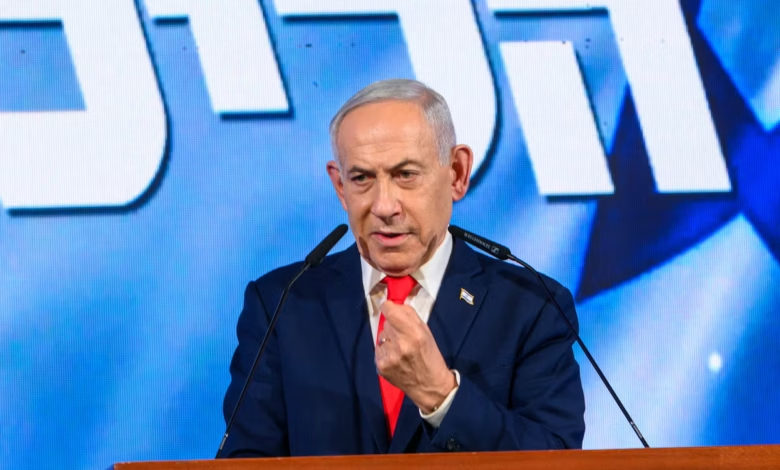
Israel appears headed for another political impasse following Tuesday’s general election, with early counts leaving both Prime Minister Benjamin Netanyahu and opposition leader Gadi Eisenkot short of a governing majority in the 120-seat Knesset. With roughly 85 per cent of votes counted by Wednesday afternoon, neither the incumbent’s right-wing religious bloc nor the broad coalition aligned behind Mr Eisenkot commanded the 61 seats required to form an administration. Because key parties have ruled out working with one another on ideological or personal grounds, political analysts note that forming an administration will require at least one faction to reverse its campaign commitments. In the absence of an agreement, Israeli law mandates a return to the ballot box.
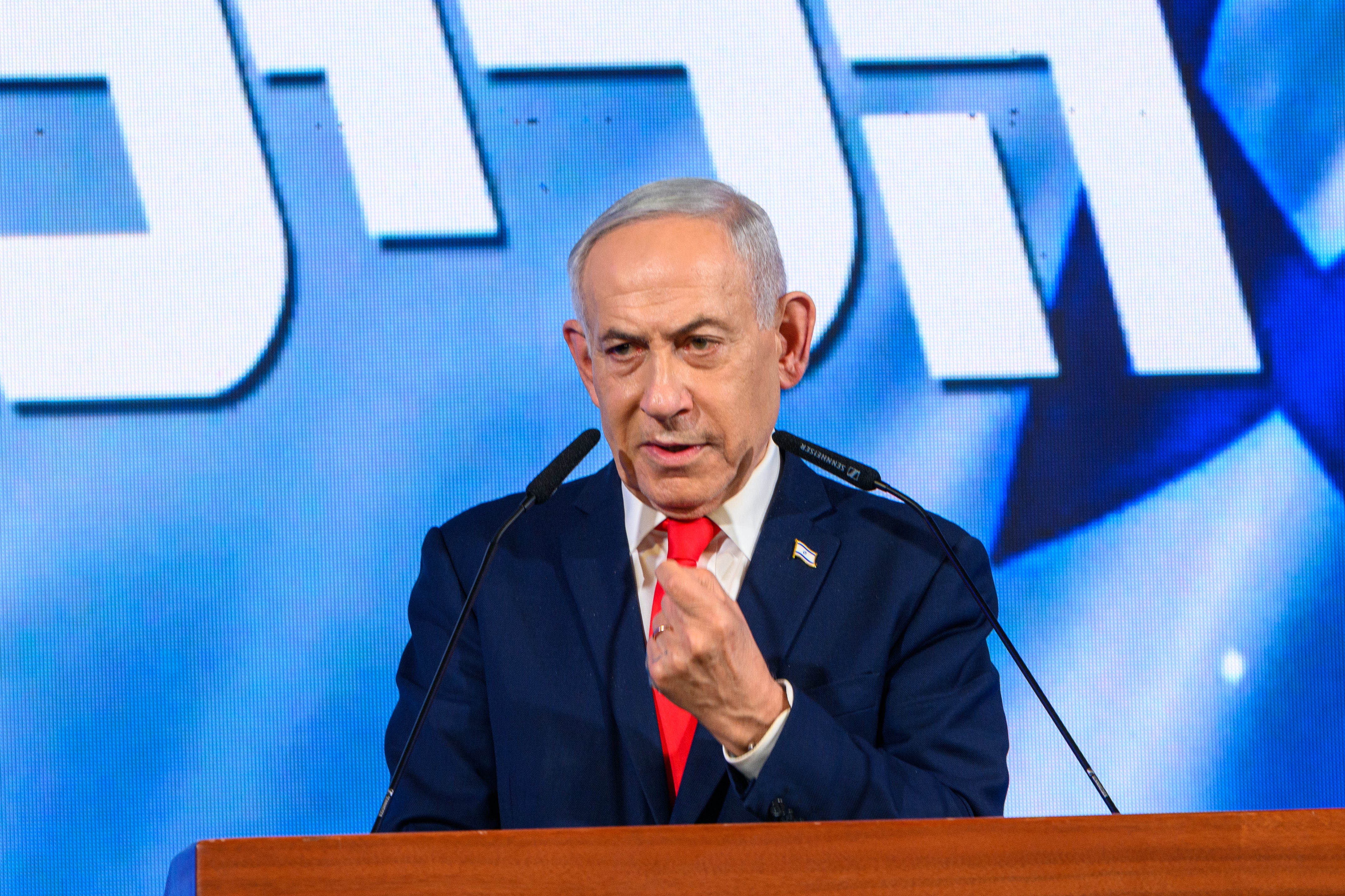
One theoretical route out of the stalemate is a national unity government uniting Mr Netanyahu’s Likud and Mr Eisenkot’s centrist Yashar party. However, Mr Eisenkot campaigned explicitly on unseating the long-serving prime minister, reiterating his demand for Mr Netanyahu to retire from public life due to a breakdown of public trust during an address to supporters in Tel Aviv early Wednesday. For Mr Netanyahu to attract centrist partners, he would likely need to sever ties with his far-right and ultra-Orthodox allies. Yet in his own post-election address at Likud headquarters, Mr Netanyahu praised his traditional coalition partners and called for the swift establishment of a strong right-wing government. Foreign policy developments could also alter domestic calculations, as Israeli and US media outlets reported prior to the vote that Mr Netanyahu had discussed potential strikes on Iranian targets with the United States, raising the prospect that a wider regional military conflict might generate domestic pressure for an emergency administration.
On current numbers, the opposition bloc’s sole numerical path to 61 seats would require the backing of Arab-majority factions, which emerged as one of the night’s most significant stories due to high voter turnout among Palestinian citizens of Israel. Preliminary projections indicate these parties could secure a combined 19 seats, with the United Arab List (Ra’am) on track for roughly seven seats and the Joint List alliance projected to win 12. Ra’am leader Mansour Abbas has expressed an openness to join an opposition-led coalition, while Joint List representatives have suggested offering outside legislative support to block a right-wing government. However, Mr Eisenkot and most Jewish opposition figures have repeatedly ruled out forming a cabinet dependent on Arab parties. The Democrats leader Yair Golan remains the only prominent Jewish faction head publicly advocating cooperation with Arab parliamentarians, though severe policy differences over Gaza and West Bank administration pose significant challenges.
A third scenario involves Mr Netanyahu convincing hawkish opposition figures to cross the floor and join his coalition. Attention has focused on former prime minister Naftali Bennett, who co-leads the Beyachad alliance, and Yisrael Beytenu leader Avigdor Lieberman, both of whom share conservative views with Likud on national defence and regional policy. However, both politicians campaigned directly on removing Mr Netanyahu from office and have made the mandatory military conscription of ultra-Orthodox seminary students a core demand—a policy fiercely opposed by Mr Netanyahu’s ultra-Orthodox partners, Shas and United Torah Judaism. Furthermore, early seat totals suggest that replacing the ultra-Orthodox parties with Mr Bennett and Mr Lieberman inside a restructured right-wing government would still fall short of 61 seats.
If coalition negotiations fail to produce a viable government within statutory deadlines, the default legal procedure is the dissolution of parliament and the scheduling of fresh elections. Under Israeli basic law, an incumbent prime minister remains in office as head of an interim caretaker cabinet until a new government takes its oath. Electoral analysts suggest that Likud strategists may see tactical advantages in a rerun, arguing that record Arab voter turnout might prove difficult to sustain if high participation yields no influence, while smaller right-wing factions that missed the 3.25 per cent electoral threshold could face pressure to consolidate. Between 2019 and 2022, Israel held five consecutive national elections due to identical parliamentary arithmetic, a pattern observers warn could easily repeat itself if party leaders maintain their current red lines.