Nonpartisan election forecaster Inside Elections updated nine U.S. Senate contests on Thursday, shifting every single adjusted race in favor of Democratic candidates as prominent forecaster Nate Silver pointed to robust polling figures for the party.
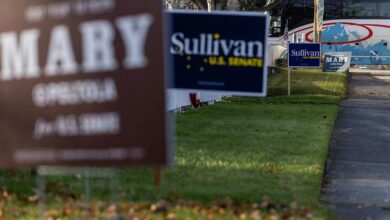
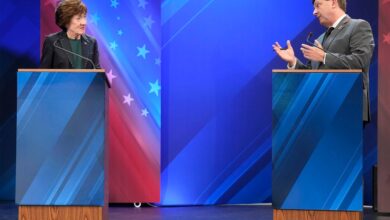
The adjustments encompass races in Georgia, Ohio, Texas, Iowa, Kansas, Nebraska, South Carolina, Louisiana, and Mississippi. The revisions arrive just days before the midterm elections, which traditionally serve as a referendum on the sitting president’s administration and historical precedent suggests cost the party in power seats.
Nate Silver addressed the shifting landscape on X, writing that recent surveys show “very strong polls for Democrats in individual Senate races over the past couple of days.” Silver added, “Polls can be wrong, that’s what models/probabilities/markets are for, but I think we’re past the point where you can honestly say ‘polls show the Senate is too close to call’.”

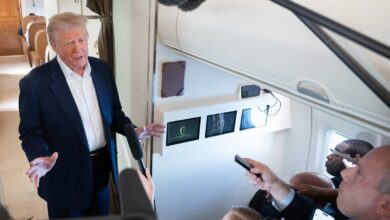
Midterm campaigning has intensified as Republicans push to preserve their Senate majority. President Donald Trump has traveled nationwide to rally for vulnerable GOP candidates amid recent national polling lows touching his approval ratings and economic handling, as American households voice ongoing affordability concerns. High-profile administration officials, including Vice President JD Vance and Health and Human Services Secretary Robert F. Kennedy Jr., have likewise campaigned across competitive states.
Inside Elections detailed specific rating changes across the nine states. Georgia’s contest moved from lean Democrat to likely Democrat, featuring incumbent Jon Ossoff running against Trump-backed challenger Mike Collins, with recent surveys indicating an Ossoff advantage. In Ohio, the seat shifted from a toss-up to tilt Democrat as Republican incumbent Jon Husted encounters Democrat Sherrod Brown. Texas shifted similarly from a toss-up to tilt Democrat, drawing national attention and personal involvement from Trump on behalf of Republican Ken Paxton against Democrat James Talarico, with polling reflecting a virtual dead heat.
Several traditionally Republican states saw competitive recalibrations. Iowa moved from tilt Republican to a toss-up, setting up a November 3 clash between Republican Ashley Hinson and Democrat Josh Turek where recent surveys show either candidate leading by 1 to 3 percentage points. Kansas also shifted from tilt Republican to a toss-up as Democrat Adam Hamilton challenges incumbent Roger Marshall, with Hamilton holding an edge in most recent polling. South Carolina moved from lean Republican to tilt Republican as Darline Graham seeks to hold the seat previously held by her late brother, Lindsey Graham, against Democrat Dr. Annie Andrews following a tied poll released this week.

Nebraska shifted to tilt Republican from lean Republican as incumbent Pete Ricketts faces independent candidate Dan Osborn. Louisiana moved from solid Republican to likely Republican, pitting Democrat Jamie Davis against Republican nominee Julia Letlow. Finally, Mississippi shifted from solid Republican to likely Republican as incumbent Cindy Hyde-Smith campaigns against Democrat Scott Colom.
Other prominent election observers show similar competitive maps, with the Cook Political Report rating Georgia as likely Democratic; Ohio, Texas, Kansas, and Iowa as toss-ups; South Carolina as lean Republican; Nebraska and Mississippi as likely Republican; and Louisiana as solid Republican.
Meanwhile, Silver Bulletin’s 2026 election Forecast with Leading Indicators, Polls, and Expert Ratings points to Democratic polling leads while cautioning that Texas, Ohio, Alaska, and Maine remain within a normal polling error of flipping. That forecast calculates a 77.7 percent probability that Democrats will recapture control of the chamber. Prediction market platforms Kalshi and Polymarket likewise show Democrats holding double-digit leads regarding which party will secure Senate control following the midterms.