Ukraine has reportedly suspended its military strikes on Russian oil refineries following weeks of pressure from Donald Trump, with the pause potentially lasting deeper into November. Sources told journalists that the halt comes as Kyiv navigates strained relations with Washington, where former U.S. officials and leaders have blamed Ukrainian refinery attacks for pushing diesel prices to record highs.
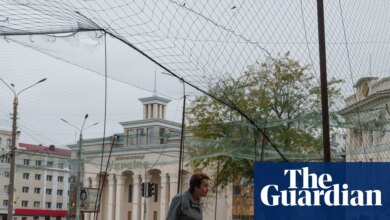
The diplomatic maneuvering coincides with a localized ceasefire and humanitarian breakthrough around the Russian-occupied southern town of Oleshky. Negotiators from both sides confirmed Thursday that demining operations on designated routes have been completed, setting the stage for a convoy to deliver food and medical supplies to roughly 2,000 trapped residents and allow civilians to leave within a specific time frame. The six-day truce, which entered its third day, was praised by officials from both nations, who thanked U.S. first lady Melania Trump for helping broker the arrangement alongside appeals from Pope Leo XIV.

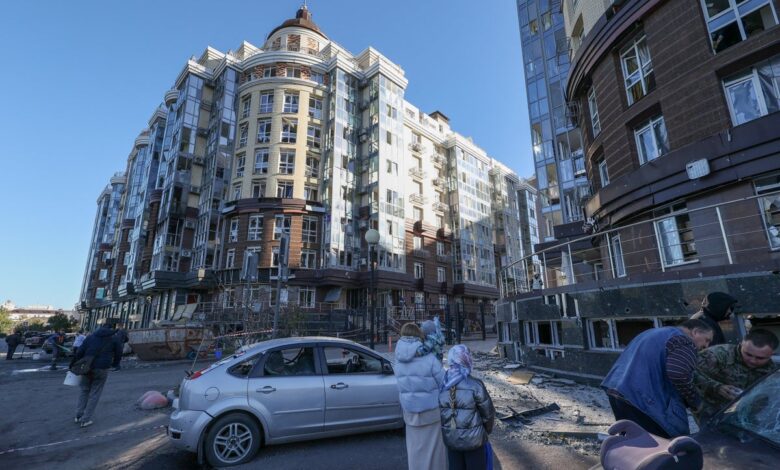
While the Oleshky truce brought a rare period of calm for civilians in the nearby Ukrainian-held city of Kherson, deadly hostilities persisted elsewhere. Ukrainian President Volodymyr Zelensky reported that at least 19 people were killed and 71 others injured in Russian strikes across the country in a single day, including 11 children. Among the deadliest incidents, a Russian drone attack killed 14 people at the main railway station in Dnipro, striking a crowded platform as passengers boarded a train.
Simultaneously, energy markets and trade policies are shifting in response to bilateral talks. Moscow and Washington agreed on a diesel supply pact following a phone call between Russian President Vladimir Putin and Trump earlier this month. To fulfill its new export commitments to the U.S. while managing domestic shortages, Russia plans to extend its diesel export ban through the end of the year while introducing a quota system for select shipping companies, industry sources said.

On the broader geopolitical front, Vladimir Putin warned during a phone call with the leaders of Norway and Finland that Russia is prepared for a potential war with Europe, though he insisted Moscow does not want one. In the UK, Chancellor John Healey announced a £10 billion support package for Ukraine in the national budget, drawing praise from Zelensky, while former British chancellor Rachel Reeves joined international figures in urging the EU and UK to seize €210 billion in frozen Russian assets to fund Kyiv’s defense through 2029.