Nevada’s Gubernatorial Race Becomes a Critical Test for Democrats Seeking Working-Class Voters

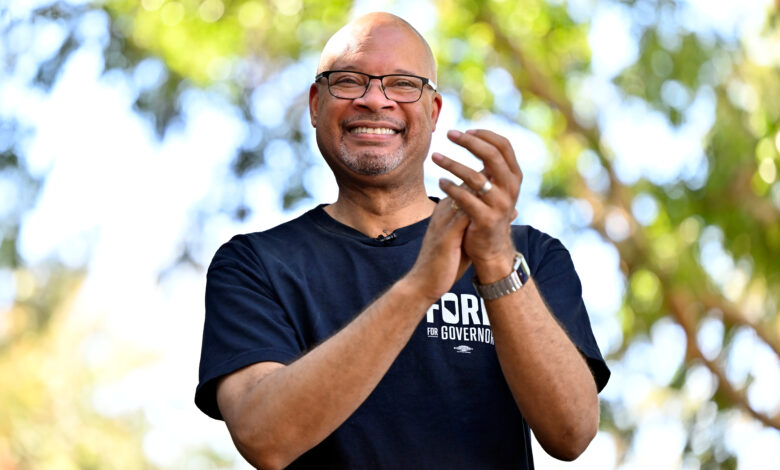
On a cloudy morning in Henderson, Nevada, the strikers of Teamsters Local 631 were entering their 266th day on the picket line. Clustered around a twenty-foot inflatable “Scabby the Rat” outside one of the region’s largest building materials suppliers, the welders, truck drivers, and machine operators chanted for a new contract. When Nevada Attorney General Aaron Ford arrived, he didn’t just offer a handshake; he offered a biography. Dressed in a navy suit and silver tie, the 54-year-old Democratic candidate for governor stood among the group of mostly young Hispanic men and pivoted seamlessly into Spanish, telling them, “Te apoyo… Juntos podemos ganar.”
Ford is attempting to bridge a widening gap between the Democratic Party and the working-class voters who have increasingly found common ground with the GOP. As he seeks to unseat incumbent Republican Governor Joe Lombardo, Ford’s campaign has become a laboratory for a specific brand of political outreach. He is a Black, Spanish-speaking official with five degrees, yet he centers his campaign on a childhood marked by food insecurity and poverty in Dallas. For national Democrats looking toward the 2028 presidential cycle, Ford’s ability to sell this “up-by-the-bootstraps” narrative to skeptical rank-and-file union members is being viewed as a potential roadmap for reclaiming the Rust Belt and the Sun Belt alike.
The race is currently a dead heat. Lombardo, a moderate Republican and former Clark County Sheriff, remains relatively popular despite a difficult economic climate. He enjoys a massive war chest and has successfully distanced himself from the more polarizing elements of his party. For Ford, who lacks the funds for a saturated television advertising blitz, the strategy has been one of relentless physical presence. He has spent months roaming both deep-blue urban centers and deep-red rural corridors, sharing the story of his life as a single father on welfare who eventually became the first African American to hold a statewide constitutional office in Nevada.
That personal history is the core of Ford’s pitch. He frequently recounts how his family in Dallas sometimes survived on stale food his father brought home from a grocery store job, including a week where they ate nothing but candy bars. To this day, Ford keeps a candy bar on his desk as a reminder. He doesn’t shy away from the more difficult chapters of his youth, including arrests in the early 1990s for public intoxication and failing to appear in court for minor infractions—mistakes he characterizes as the bad decisions of a college student. When he was 20, he became a single father, relying on food stamps, Medicaid, and Section 8 housing while finishing his education. He eventually earned a bachelor’s degree from Texas A&M, two master’s degrees, a law degree, and a PhD.
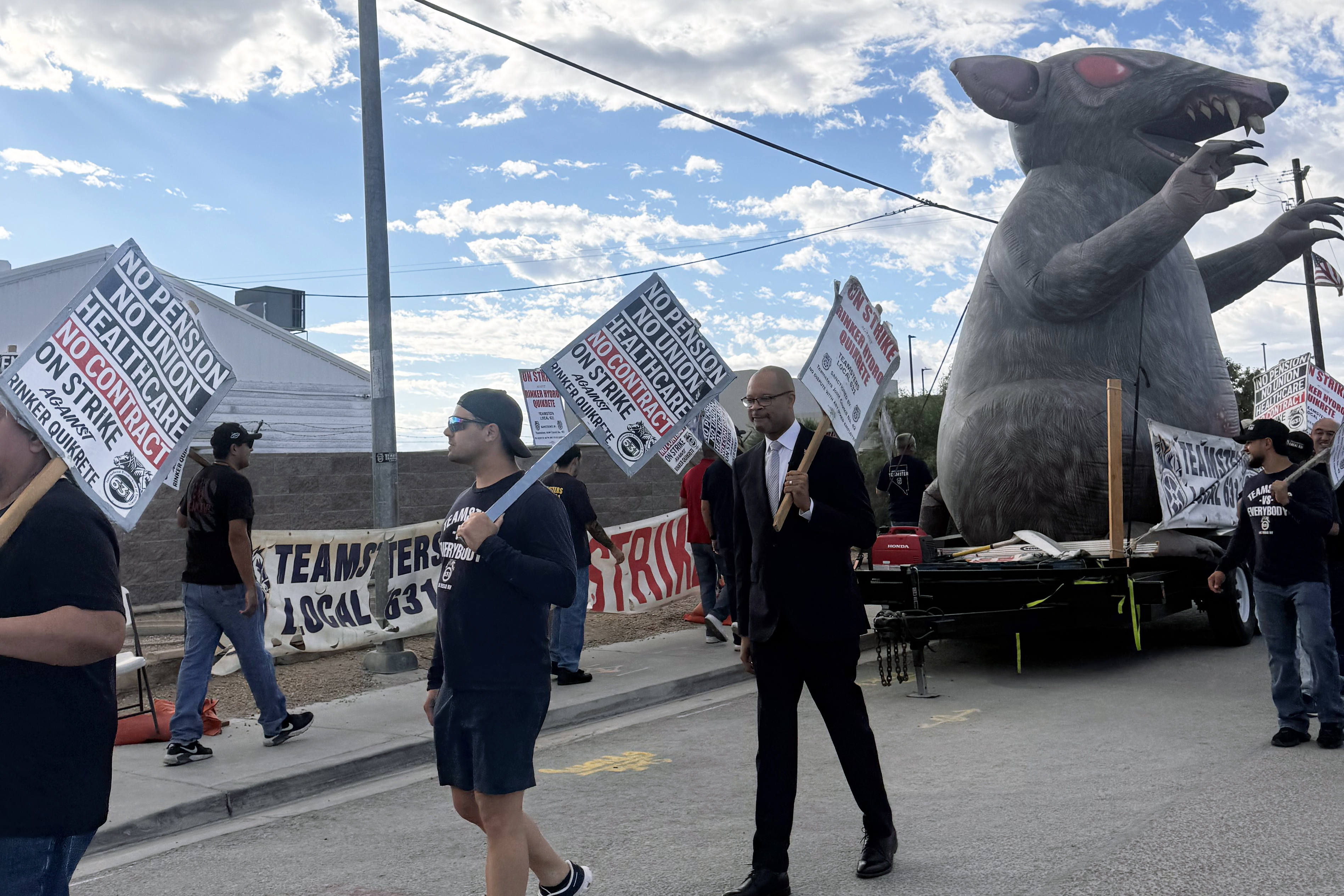
Despite his academic and professional polish, Ford faces a skeptical electorate. While he has secured endorsements from the powerful Culinary Union and various trade associations, the rank-and-file members are increasingly disillusioned with the Democratic establishment. Some labor leaders, like John Vellardita of the Clark County Education Association, have even backed Lombardo, dismissing Ford as a “career politician” and arguing that the Democratic Party has lost its way with working-class people. Ford counters this by pointing to his record as Attorney General, where he secured a $1.2 billion settlement from opioid manufacturers and pushed for consumer protections. He has pledged to repeal Nevada’s right-to-work law, expand union apprenticeship programs, and address the state’s affordable housing crisis.
Lombardo’s campaign has targeted Ford’s record by highlighting his frequent travel as Attorney General. A recent advertisement featured men in construction and auto shops criticizing Ford for “missing work,” a claim Ford views as having racial undertones intended to portray him as “shiftless.” Ford defends his record, noting he has taken only 15 vacation days in seven years and that his travel—to places like Singapore and Mexico—is part of his duty as the state’s top lawyer. The friction between the two candidates underscores the high stakes of the contest; Nevada has recently moved to the second spot on the Democratic presidential primary calendar, making its diverse, independent-heavy electorate the premier testing ground for national viability.
The national implications are not lost on Ford or his supporters. Governors like Wes Moore of Maryland and JB Pritzker of Illinois have contributed time and money to his campaign, recognizing that a win in Nevada could signal a shift in how Democrats talk about “kitchen table” issues. During a visit to San Salvador Restaurant in Las Vegas, Ford listened as the owner explained how inflation and tariffs had forced him to raise the price of a dozen pupusas to $23. Ford was quick to remind the owner that Lombardo once suggested Nevadans should “feel a little pain” from tariffs. Ford’s closing argument to the patrons was simple: he has sued to lower those costs, and he intends to do the same from the governor’s mansion. Whether that message resonates enough to overcome Lombardo’s incumbency will likely determine the Democratic strategy for years to come.