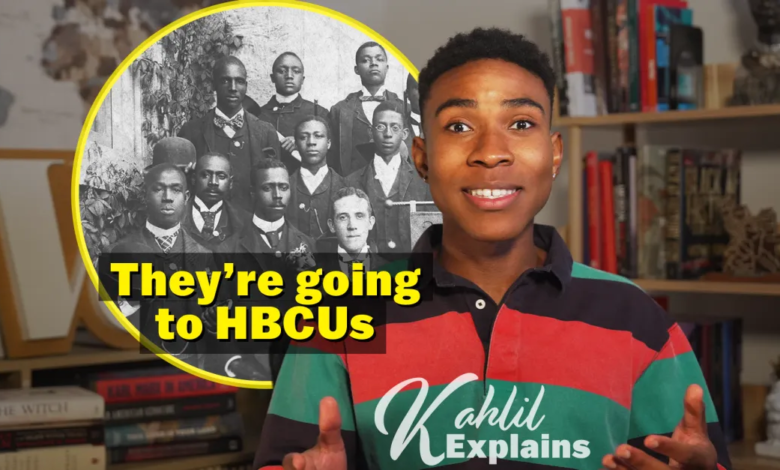
Historically Black colleges and universities are experiencing a notable surge in popularity, marked by record-breaking enrollment figures among recent freshman classes. However, this upward trend exists alongside a sharp counter-movement: Black freshman enrollment has plummeted by 27 percent across the 50 most selective academic institutions in the United States. These diverging shifts reflect decades of institutional evolution, changing government mandates, and shifting campus policies.
The broader landscape of higher education has undergone profound transformations, moving from the eras of legal segregation and the civil rights movement to contemporary political climates. Throughout these periods, Black students nationwide have had to adapt to changing legal and administrative frameworks. The dismantling of affirmative action, alongside evolving university admissions policies and government regulations, has continuously reshaped access to higher education.

These dynamics are examined in a new video series titled Kahlil Explains, hosted by Kahlil Greene. The series combines structured explainer journalism with Greene’s expertise on the intersection of politics, culture, and society. The inaugural episode explores the historical roots of HBCUs and evaluates the contemporary experiences of Black college students to unpack the factors driving growth at historically Black institutions while numbers decline at predominantly white, elite universities.
The underlying factors of these shifts are supported by ongoing research and documentation across the educational sector. Scholars Marybeth Gasman and Levon T. Esters explore the institutional impact in their book, HBCU: The Power of Historically Black Colleges and Universities. Additional context on admissions equity is provided by Class Action’s report on the future of fair admissions, alongside a research brief on enrollment trends published by the Center for Minority-Serving Institutions. Furthermore, independent statistical analyses have documented the broader downward trajectory of Black student representation at top-tier competitive colleges.