
For 26-year-old Dylan Harwood, the conclusion of the school week does not signal the start of a rest period. A teacher by day in London, Harwood spends his Monday through Friday managing a classroom of nine-year-olds. However, when the weekend arrives, he transitions from grading papers to operating turntables as a professional DJ. The transition is not merely a hobby; it is a financial strategy that earns him several hundred pounds extra each month in one of the world’s most expensive cities.
Harwood is a representative member of what many are now calling “Generation Side Hustle.” This cohort of 20-somethings in the United Kingdom is increasingly taking on second or even third jobs to navigate a complex landscape of rising living costs and stagnant career trajectories. While the trend of secondary employment is not unique to Britain, a specific local combination of high property prices, substantial student debt, and a resilient entrepreneurial spirit has made young Britons particularly active in the informal and gig economies.
Finding exact data on the scale of the movement is challenging because many of these ventures operate outside traditional employment structures. However, recent surveys suggest the phenomenon is widespread, with some data indicating that as many as two-thirds of young workers are moonlighting. On average, these secondary ventures bring in approximately £872 ($1,168) per month. According to Josh Toovey, head of research at IPSE, a self-employment association, tax data shows a sharp increase in young people filing returns, confirming that the demographic is a primary driver of the rise in independent work.
Economics remain the most immediate motivator. Max Bacon, a 26-year-old carpenter from southern England, spends his spare time buying and selling vintage football shirts. He points to the disconnect between entry-level salaries and the cost of the UK housing market as a reason why a single income often feels insufficient. This sentiment is echoed by academic Andrew Smith, who has researched the gig economy. Smith notes that many young workers are forced into multiple roles because full-time wages have not kept pace with housing costs, observing that while jobs can be part-time, expenses like rent and mortgages remain at full price.

Furthermore, high-level qualifications no longer guarantee a stable, high-paying career. Many graduates, including those with master’s degrees, find themselves balancing multiple low-level roles because they cannot secure a single position that meets their financial needs. Georgina Carbery, a 23-year-old graduate of the University of Cambridge, exemplifies this struggle. While she searches for a primary career, she balances three distinct side hustles: driving a grocery van, tutoring students, and delivering meals via bicycle. For Carbery, the flexibility of delivery work offers a sense of autonomy and physical fitness alongside the necessary income.
Technology has acted as a catalyst for this shift, lowering the barriers to entry for budding entrepreneurs. The rise of fully remote work and digital platforms allows young people to launch businesses in online tutoring, digital content creation, and upcycling with little more than a smartphone or a computer. This technological ease has allowed for a resurgence in self-employment figures, which had previously dipped during the pandemic years.
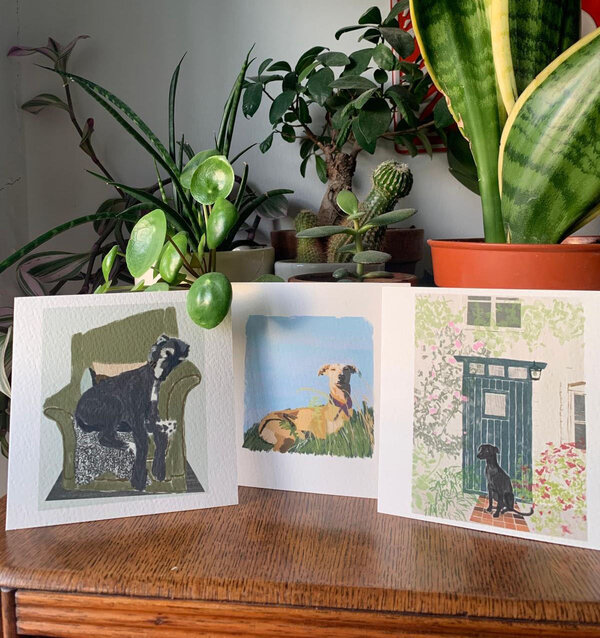
Beyond the financial necessity, there is a significant psychological component to the side hustle. For many, these secondary roles serve as a vital creative outlet. Abi Levy, a social worker, spends her weekends as a dog walker and pet illustrator to decompress from the rigors of her primary profession. For her, the joy of the work is as important as the extra cash it generates.
For others, the side hustle is a “speculative enterprise” with the potential to transform into a full-time career. Alexander Hjorthol, who balances part-time teaching and tutoring, spends the majority of his week building a wildlife photography business and a social media following. He hopes to eventually monetize his Instagram presence and sell prints full-time. In his view, the side hustle represents a “golden ticket”—a chance for members of Generation Z to pursue their ultimate professional dreams while still meeting the practical demands of the modern economy.