
The global smartphone market has recorded its most significant single-quarter contraction in history, as a combination of waning consumer demand and skyrocketing component costs creates a perfect storm for manufacturers. Recent data from major market research firms including IDC, Counterpoint, and Omdia indicate that third-quarter shipments plummeted by as much as 22% compared to the same period last year.
According to IDC’s figures, total global smartphone shipments fell to 255.3 million units during the third quarter. This represents a staggering loss of nearly 70 million units relative to last year’s performance. Counterpoint and Omdia reported slightly narrower but still severe year-on-year declines of 20%. Analysts noted that this downward trajectory far exceeded previous industry forecasts, signaling a deeper structural shift in the global hardware market.
At the heart of the crisis is a radical realignment within the semiconductor industry. As the construction of AI data centers accelerates globally, demand for specialized high-performance memory—specifically High Bandwidth Memory (HBM) and server-grade DRAM—has exploded. To meet this high-margin demand, leading memory chip manufacturers have reallocated their production capacities, shifting resources away from consumer-grade mobile chips to prioritize AI server components.
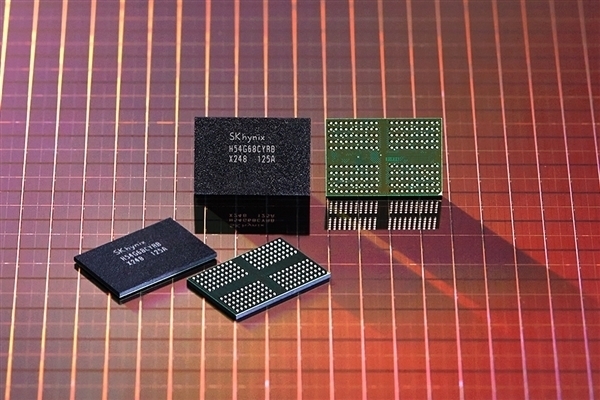
This shift has resulted in a critical supply squeeze for the memory and storage chips used in smartphones. Supply chain insiders report that costs for mobile RAM and flash storage have increased multiple times over the past two years, with some components seeing price jumps of 300%. These rising costs have placed an unsustainable burden on mobile manufacturers who are already facing a cautious consumer base.
The financial strain is so acute that many manufacturers are currently selling devices at a loss. Industry reports suggest that even when companies raise the retail price of a handset by as much as 1,000 yuan (approximately $140 USD), the increase often fails to cover the additional expenses incurred from surging storage prices. The predicament of “selling at a loss” has become a common reality across the sector, creating a more precarious survival environment than is often visible to the general public.
Industry analysts anticipate that this trend will not be a short-term fluctuation. The prioritization of AI server production is expected to dominate semiconductor capacity for at least the next two to three years. This shift will likely lead to even longer replacement cycles for average consumers, as high prices and incremental hardware improvements discourage frequent upgrades.
As the market transitions into a period of intense competition for a shrinking pool of buyers, the success of major brands will depend less on raw product features and more on operational efficiency. Manufacturers must now focus on stabilizing their supply chains and maintaining price-to-performance ratios under extreme cost pressures to remain viable in a tightening global market.