With less than two weeks until Election Day, the political landscape for the 2026 midterm elections has shifted dramatically, forcing Republicans to defend seats in reliably red states that were once considered safe. Polling and early voting suggest momentum favors Democrats, who need a net gain of four seats to capture the Senate chamber, though securing a majority will still require prevailing in states that President Donald Trump previously carried by wide margins.
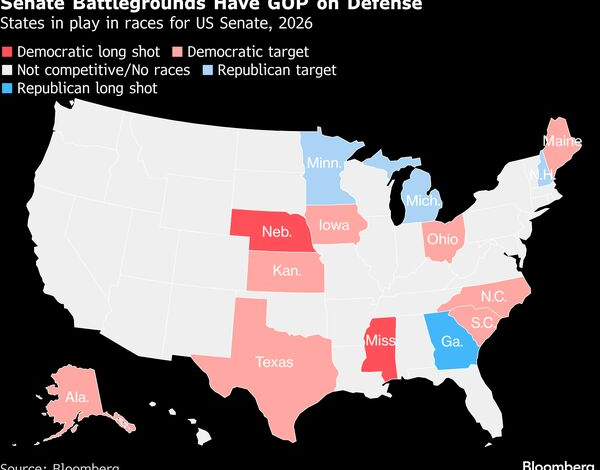
Republicans entered the cycle anticipating structural advantages in geography and fundraising. Instead, party insiders report that the traditional “red wall” necessary to secure a majority now encompasses states like Iowa, Ohio, and Alaska, all of which Trump won by double digits just two years ago. Heavy campaign spending is flowing into deep red states such as Texas, while defensive campaigning has forced Trump into GOP strongholds including South Carolina and Mississippi. At the same time, indications suggest Republicans have largely scaled back efforts in states where they historically held an edge, such as Georgia and North Carolina.
The expansion of the electoral battleground caught many political strategists by surprise. In early 2025, internal Democratic tracking viewed North Carolina and Maine as the primary pickup opportunities. As the political environment shifted, strategists added Ohio and Alaska, followed more recently by Texas, Iowa, and Kansas. To counter these vulnerabilities, Republicans are leaning heavily on a massive financial advantage, deploying hundreds of millions of dollars from Trump’s super political action committee, allied committees, and major donors including Elon Musk.
Strategy analysts note that while financial resources remain a powerful tool, spending eventually encounters diminishing returns in a challenging political climate. Voter sentiment is heavily weighed down by low approval marks for Trump’s leadership, persistent frustration over the cost of living, and concerns regarding foreign policy, including the war in Iran. A recent poll showed just 36 percent of likely voters approve of Trump’s leadership, compared with 59 percent who disapprove. Furthermore, 75 percent of likely voters rate national economic conditions as fair or poor, with majorities expressing greater trust in Democrats to handle the economy, gas prices, and foreign conflicts.
Specific economic pressures have exacerbated these headwinds across different regions. Agricultural states such as Iowa and Kansas have grappled with the impacts of presidential tariffs and high diesel prices. Meanwhile, states heavily dependent on trade with Canada, including Michigan, Alaska, and Maine, have felt the strain of ongoing trade disputes with Ottawa. Consumers across the board continue to express anger over rising costs at grocery stores, gas pumps, and healthcare providers, arguing that the administration has failed to adequately address cost-of-living pressures.
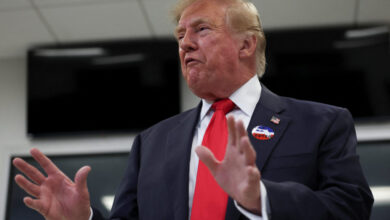
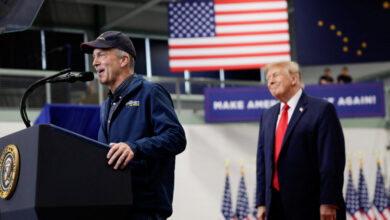
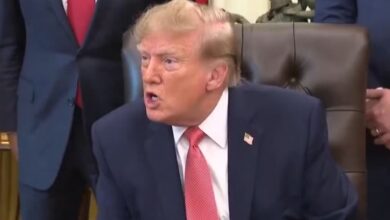
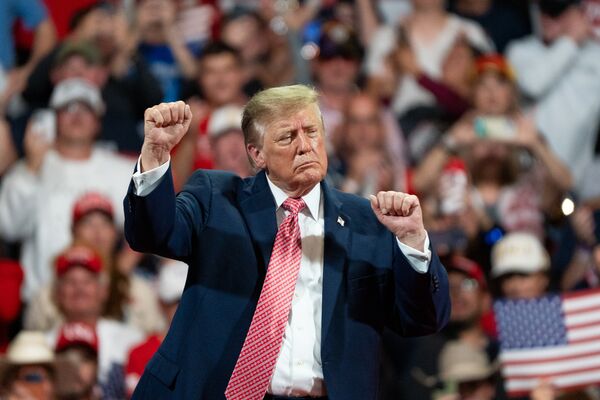
In response to these challenges, Trump has implored his loyal base to turn out as if he were personally on the ballot, attempting to mobilize lower-propensity voters who typically participate in presidential elections but skip off-year contests. He has offered a series of incentives, including promises of $5,000 checks to Americans should Republicans retain both chambers of Congress, alongside a proposed bailout package for agricultural producers affected by trade policies. During campaign stops, however, his speeches have occasionally featured unconventional remarks, including public critiques of candidates’ fashion and physical appearances, though he has also openly acknowledged difficult electoral prospects in certain regions, such as conceding a likely Democratic victory in North Carolina.
White House officials maintain confidence in the coalition built by the MAGA movement and argue that the president remains an effective messenger for congressional candidates. Meanwhile, Republican strategists acknowledge the heavy burden created by continuous controversies and allegations of corruption emerging from Washington, which have battered candidates down-ballot. As campaigns enter their final stretch, the outcome will depend on whether Democratic momentum can successfully breach the financial and geographic firewall constructed by the GOP.