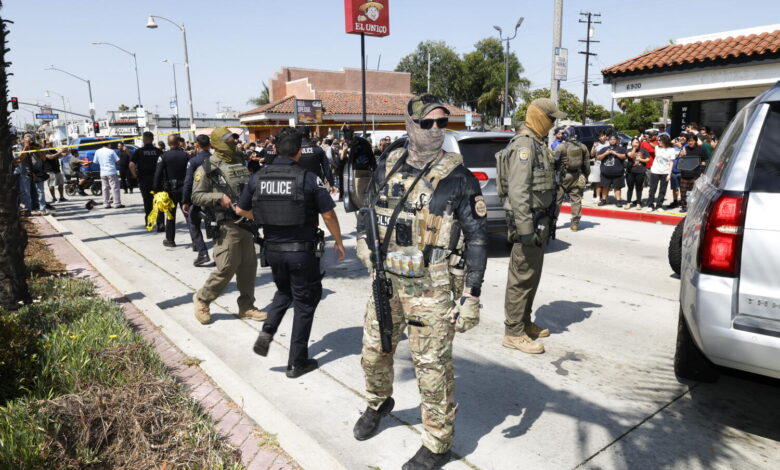
A federal judge has barred immigration agents in Southern California from stopping individuals simply because they are Latino, appear to be Latino, or are working class, citing evidence of an unwritten, officially sanctioned policy of racial profiling.
In an order granting a preliminary injunction, U.S. District Judge Maame Ewusi-Mensah Frimpong pointed to a substantial body of evidence submitted by plaintiffs, which included body camera footage and text message exchanges capturing immigration agents using derogatory slurs such as “tonk” and “wet” to refer to Latinos. Frimpong wrote that the government’s assertions that it trains agents to follow the law are insufficient to counter the evidence showing that agents do not follow the law in practice.
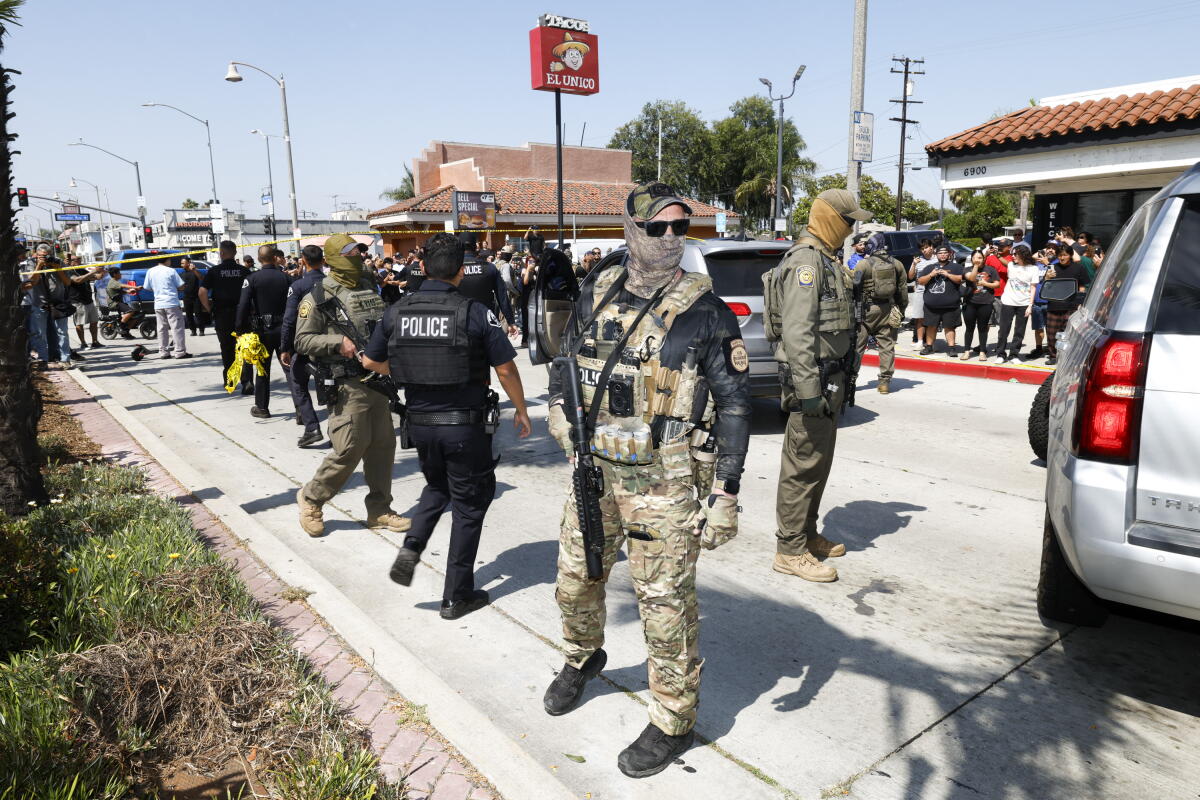
The injunction mandates that immigration agents establish individualized reasonable suspicion prior to detaining anyone for immigration enforcement purposes, rather than relying on racial stereotypes. Frimpong noted that merely appearing to be Latino and working class does not meet the legal threshold, even if a person shares those characteristics with an identified target. The order specifically exempts stops conducted at ports of entry, checkpoints, and other functional equivalents of the border.
The ruling applies within the Central District of California, which covers Los Angeles, Orange, Riverside, San Bernardino, Ventura, Santa Barbara, and San Luis Obispo counties. Frimpong emphasized that her order is not a final determination that the government maintained an unlawful policy. The Trump administration filed a notice of appeal seeking review by the 9th Circuit Court of Appeals, while the Department of Homeland Security did not immediately respond to a request for comment.

Legal representatives for the plaintiffs welcomed the ruling. Mohammad Tajsar, director of immigrants’ rights at the ACLU Foundation of Southern California, stated that the order recognizes that agents who targeted and abducted Latino community members were engaging in unlawful racial profiling. Tajsar added that plaintiffs would closely monitor government compliance with the injunction.
The newly disclosed evidence emerged through discovery after the Supreme Court previously stayed an earlier order by the judge barring stops based solely on race, ethnicity, language, location, or employment. In a concurring opinion at that time, Justice Brett M. Kavanaugh wrote that apparent ethnicity can be a relevant factor in immigration stops when combined with other salient factors and that reasonable suspicion permits brief questioning. However, Frimpong noted that the new request involved different evidence, legal theories, and proposed relief, adding that the Supreme Court had not explained its reasons for granting the stay and that Kavanaugh’s concurrence was not binding precedent.
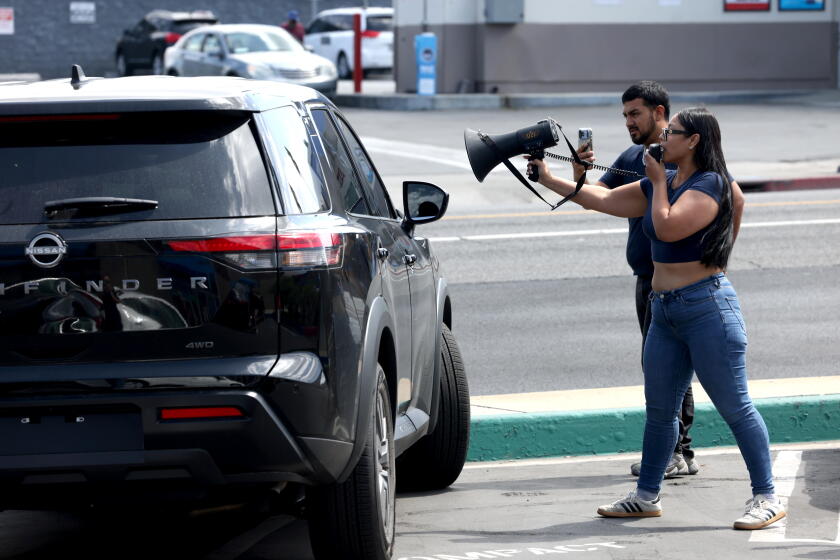
The Department of Homeland Security has consistently denied allegations of racial profiling and pointed to Kavanaugh’s opinion as vindication for agency practices. During a September hearing, Daniel Mummolo of the Department of Justice argued that the evidentiary record remained unchanged. Conversely, plaintiffs’ attorneys argued that newly surfaced discovery demonstrated that race served as a central factor driving immigration enforcement operations.
Attorneys for the plaintiffs pointed to internal communications and operational records obtained during discovery. These records detailed random rather than targeted stops, the casual use of racial slurs, and instances where agents expressed frustration over being asked to bypass legal boundaries. The evidence included body camera footage from a June 2025 raid at a Hollywood Home Depot in which an agent commented on a person believed to be a migrant, as well as text chains where agents discussed roaming patrols and soft counts of possible targets based on location drive-bys.
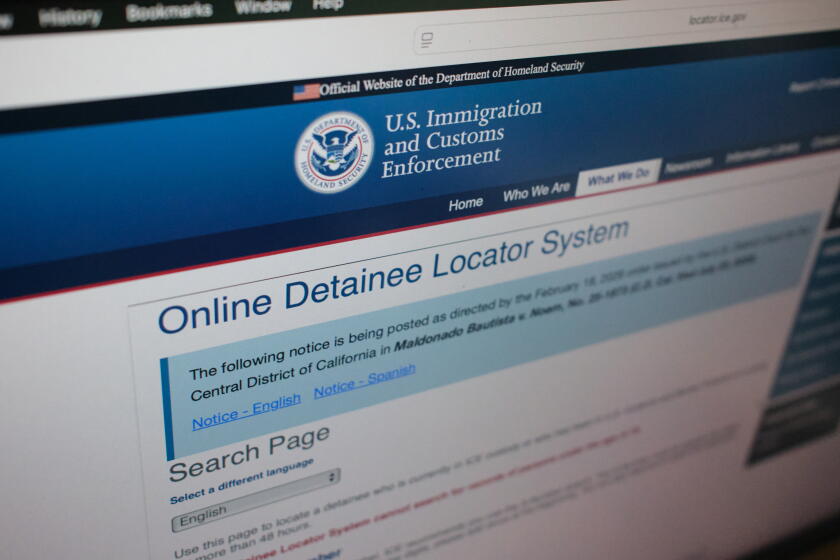
Legal filings stated that immigration authorities shifted strategy following an instruction from ICE headquarters in late May 2025 directing field offices to begin arresting nontargets, or collaterals, en masse. Plaintiffs alleged that intelligence-gathering teams were subsequently sent to public access locations such as Home Depots and car washes to identify arbitrary numbers of possibly unlawfully present individuals, leading to operations where purported targets were frequently absent even as numerous other individuals were arrested.
Frimpong noted accounts from Latino U.S. citizens whose citizenship attempts were rebuffed, including a car wash worker who stated an agent refused to let him retrieve his passport, alongside instances where agents detained Latino workers and customers while leaving nearby white individuals undisturbed. The litigation was filed last year by the ACLU of Southern California, Public Counsel, and other legal groups and private attorneys amid a sweeping state immigration crackdown.