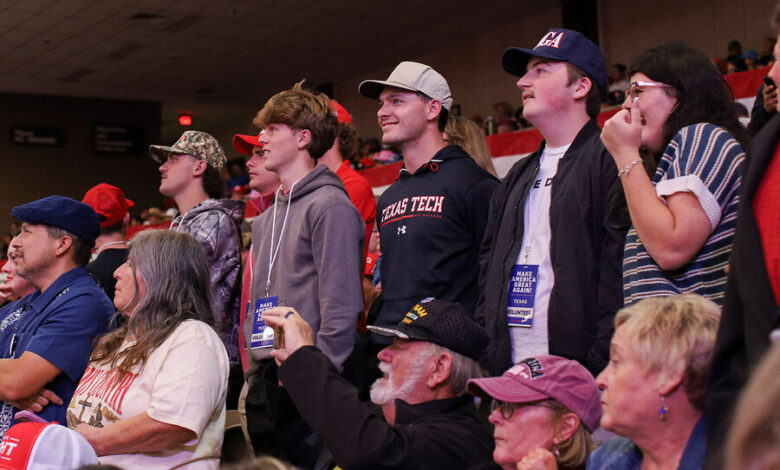
Two years after securing a majority of young male voters and returning to the White House, President Donald Trump and the Republican Party are facing a pronounced cooling of support among Gen Z men. Economically squeezed and disillusioned by foreign policy decisions, many young voters who helped fuel the “America First” platform are indicating they may vote for Democrats or sit out upcoming midterm elections entirely.
During the 2024 presidential election, Mr. Trump captured 55% of male voters between the ages of 18 and 29, outperforming historical trends among younger demographics. That backing was built on promises to lower the cost of living, achieve energy independence, and end overseas conflicts. Today, however, only 49% of young voters who cast ballots for Mr. Trump approve of his performance, according to recent polling data from the Pew Research Center. A separate survey of Gen Z men conducted earlier this fall showed Democrats holding a 17-point lead among those most likely to vote.
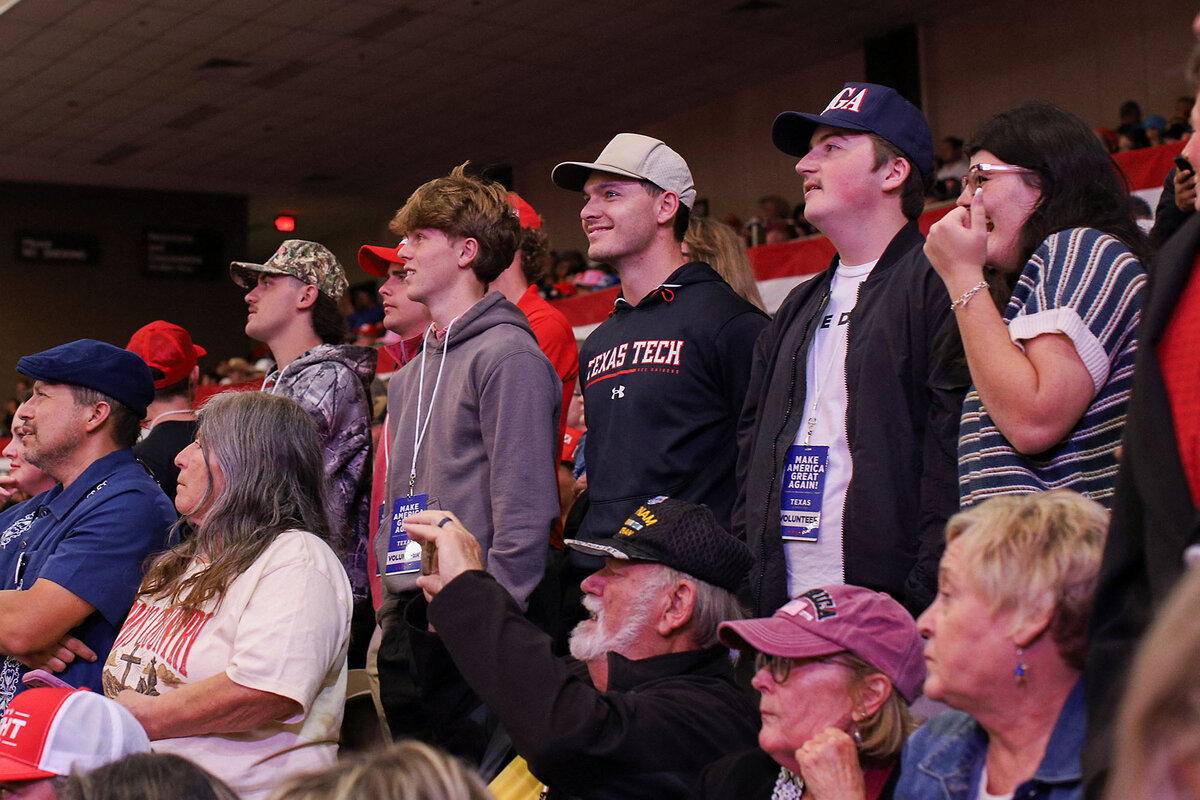
Steven Fitzgerald, a Gen Z real estate investor and compliance code inspector from western Maryland, voted for Mr. Trump in 2024 amid frustration with the high cost of living under the previous administration. Today, he expresses regret. The focus was supposed to be on improving the economy and making housing more affordable, Mr. Fitzgerald said, adding that he does not feel the administration is delivering on those goals.
Polling experts point to unmet economic expectations as a primary driver of the shift. John Della Volpe, director of polling at the Harvard Kennedy School’s Institute of Politics, noted that while some young men will continue supporting Republican candidates, others are moving toward Democrats or choosing to stay home.

Participation rates among young voters, historically low, may face additional downward pressure in the midterms. A Harvard Institute of Politics poll released in late October indicated that only about one-third of Republicans aged 18 to 29 plan to vote in the midterms, compared with 46% who intended to vote ahead of the 2022 midterms.
During the 2024 campaign, Mr. Trump pursued young voters through appearances on popular podcasts hosted by figures such as Joe Rogan and comedian Theo Von, appealing to younger men through an unscripted style. Charlie Sabgir, director of the Washington-based Young Men Research Project, noted that the president’s direct communication style resonated strongly.
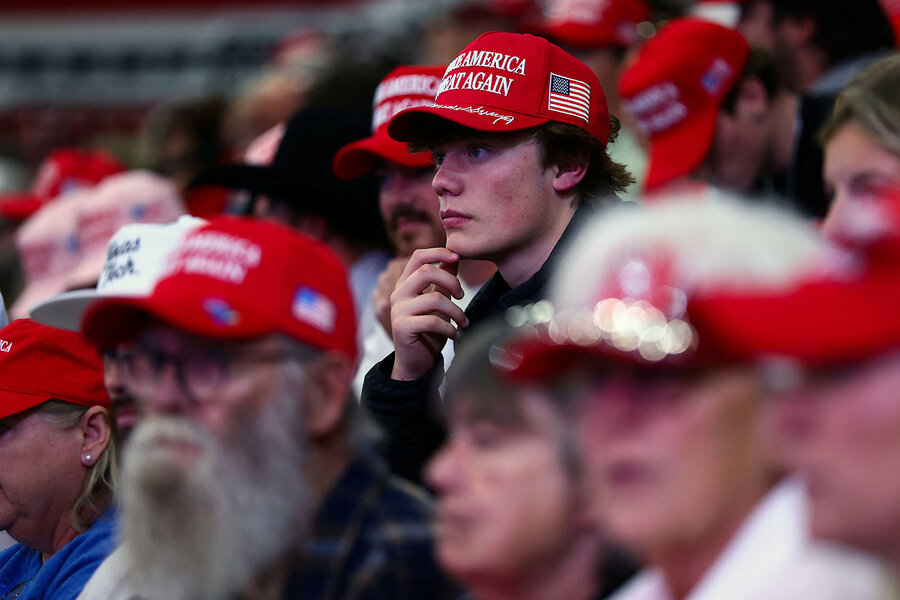
Yet several policy areas have generated friction with these supporters. Beyond cost-of-living concerns, foreign policy has become a significant point of contention. While Mr. Trump campaigned on an isolationist approach and promised to avoid protracted wars abroad, subsequent developments, including the conflict with Iran and ongoing debates over aid to Israel, have left some isolationist-leaning voters feeling alienated. Hunter Hardy, a Gen Z electrician from New Lexington, Ohio, said he regrets his 2024 vote because the administration has not kept its promises, leaving him feeling that government operates independently of voter impact.
Disappointment has also surfaced regarding transparency and online transparency pledges from the 2024 campaign, such as calls for the release of government documents concerning Jeffrey Epstein and unidentified aerial phenomena. Critics and former supporters argue that heavy redactions and incomplete releases fell short of expectations.
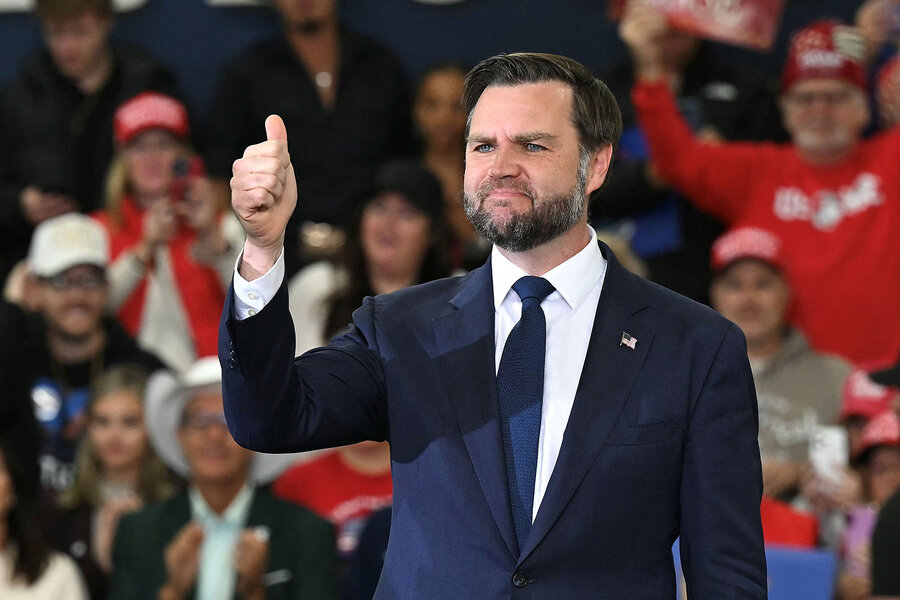
This softening support carries implications for Vice President JD Vance, widely viewed as a potential 2028 presidential contender. Fall polling indicates that a majority of young men currently hold unfavorable views of Mr. Trump, the Republican Party, and Mr. Vance.
Meanwhile, Democratic lawmakers see an opening to engage younger male voters. Arizona Democratic Senator Ruben Gallego, speaking after a Washington panel on issues affecting young men, emphasized that capturing this demographic requires delivering concrete legislative results on wages and housing affordability rather than relying solely on media appearances.

“We could go on Theo Von, we could go on Joe Rogan, we could go on all these things, and they still won’t support us because then they feel like, ‘What am I getting?’” Senator Gallego said.