Supporters of a sweeping Senate energy permitting bill are aiming to secure at least 70 votes on an upcoming procedural test, hoping a dominant bipartisan tally will pressure reluctant lawmakers in the House to advance the legislation. The Senate is scheduled to hold a procedural vote on the Bipartisan American Affordability and Jobs Act on Nov. 9, immediately following the midterm elections. While that initial hurdle requires only the standard 60-vote threshold to proceed, proponents have set their sights much higher, anticipating a potential final Senate vote the following week.
Proponents argue that a robust floor count is essential to overcome vocal resistance in the House, particularly among Democrats who have raised alarms over the bill’s potential impact on tribal consultations for local energy developments. Lobbyists and congressional aides indicate that securing 15 to 20 Democratic votes in the Senate is a central target. Organizers believe that achieving this cushion would signal broad, bipartisan backing and counter Republican defections, sending an unmistakable message to House Democrats.
Negotiations over the text remain delicate. According to two individuals familiar with the talks, rank-and-file Senate Democrats are pressing for modifications to the bill’s adjustments to the National Historic Preservation Act. Native tribal representatives and congressional critics argue that the current language impedes required tribal consultations on projects planned near their communities. A Senate Democratic aide described the issue as the primary challenge threatening Democratic unity, noting that while tribal nations have called for the entire section to be removed, negotiators have indicated that option is unviable because it is a key priority for Utah Republican Sen. Mike Lee.
Sen. Martin Heinrich, D-N.M., a leading champion of the legislation, has defended the National Historic Preservation Act provisions while signaling a willingness to consider adjustments. A spokesperson for Heinrich confirmed Wednesday that discussions regarding tribal consultation provisions are ongoing while he maintains pressure to build broad support.
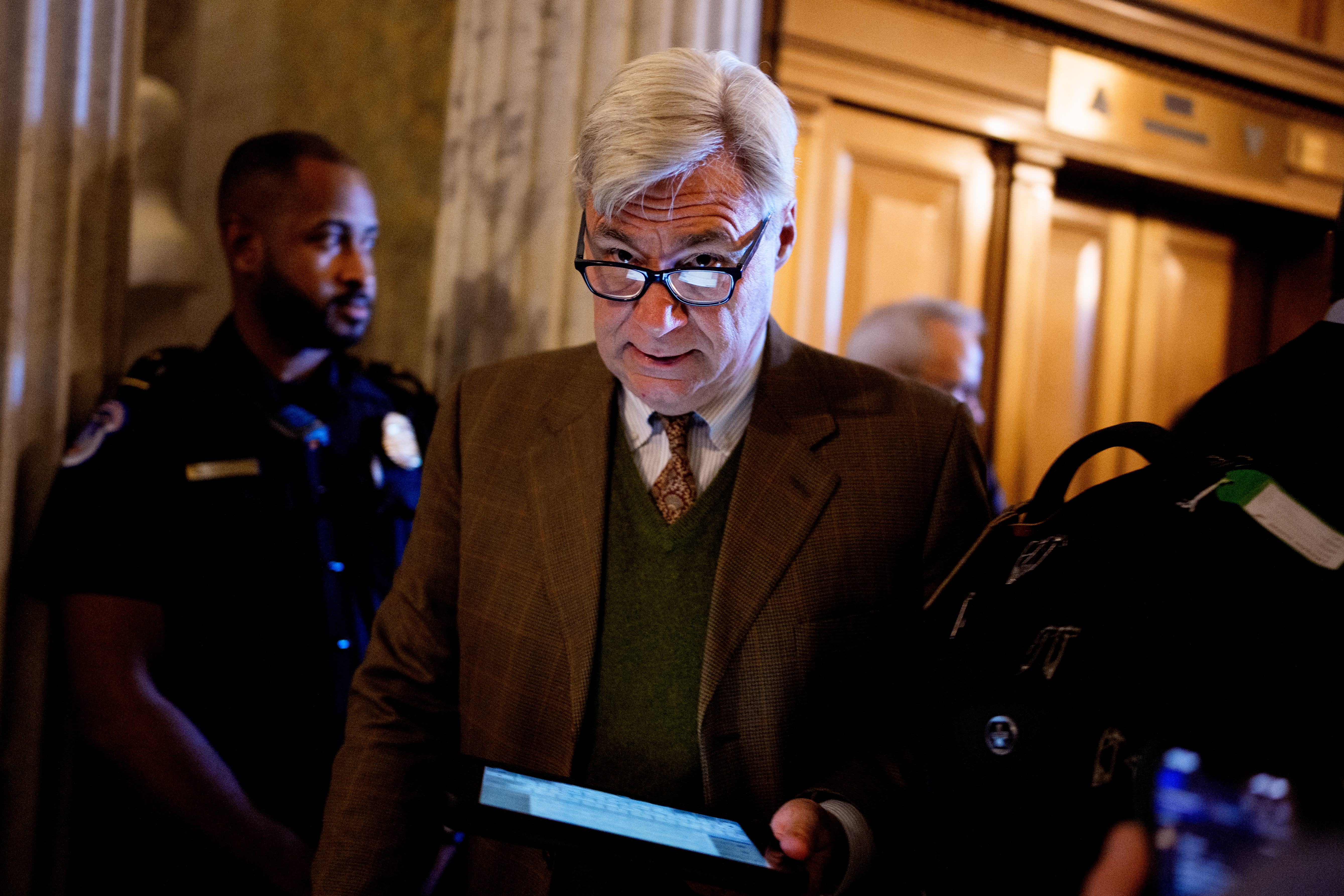
Simultaneously, lawmakers are grappling with energy sector concerns regarding executive authority. A clean energy lobbyist in contact with Senate Democratic offices noted that members are closely examining executive certainty language designed to shield renewable projects. Proponents fear the current wording could inadvertently safeguard and entrench fossil fuel initiatives instead. Consequently, Democrats broadly support efforts led by Sen. Sheldon Whitehouse, D-R.I., to secure firmer assurances from the Trump administration that it will halt actions to delay new renewable permits or revoke previously awarded wind energy approvals.
Despite these friction points, energy industry stakeholders remain optimistic about the measure’s path forward. Anne Bradbury, head of the oil industry trade group American Exploration & Production Council, expressed confidence that the legislation will clear the Senate and reach President Donald Trump’s desk for signature, describing an unprecedented level of alignment across the broader energy sector.