Egypt’s parliament officially authorized the country’s military on Monday to provide support aimed at helping defend Saudi Arabia, according to parliamentarians and local media reports. The move carries the potential to draw Cairo directly into an expanding regional conflict marked by intensified attacks from Yemen’s Iran-allied Houthi movement against the Gulf kingdom.
The authorization follows a request made last week by Egyptian President Abdel Fattah al-Sisi, asking lawmakers to approve defending Egypt’s Gulf Arab ally and the world’s leading oil exporter should Riyadh request assistance against the Houthis. Aside from direct threats to the kingdom, Houthi advances have raised strategic concerns regarding the Bab el-Mandeb Strait, a vital shipping gateway connected directly to Egypt’s Suez Canal.
While Cairo has frequently condemned Iranian and Iranian-backed strikes targeting Gulf nations, it has historically avoided direct combat involvement in recent years and did not join the Mecca mutual defense pact signed in August between Saudi Arabia, Pakistan, and Turkey. However, Foreign Minister Badr Abdelatty noted earlier this month that Egyptian membership in the pact remains under serious consideration.
Historically, Egypt—the Arab world’s most populous nation with one of its largest military forces—participated as a naval partner in the Saudi-led coalition during an earlier phase of the Yemen conflict in March 2015. At that time, Cairo dispatched warships to secure Red Sea shipping lanes, pledged air support, and deployed approximately 800 ground troops while maintaining a limited combat role. Egypt’s broader military history includes a costly intervention in Yemen during the 1960s, and the country has not undertaken a large-scale foreign ground deployment since the 1991 Gulf War.
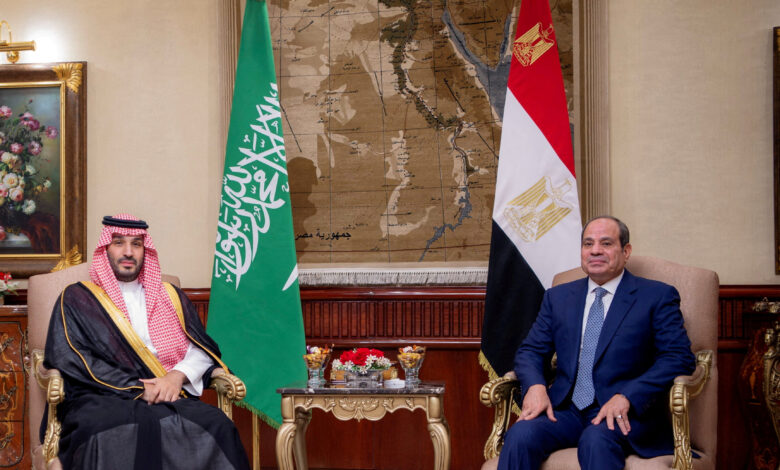
Saudi Arabia stands as a crucial political and financial partner for Cairo, having supplied billions of dollars in financial aid, central bank deposits, and energy shipments under President Sisi’s administration. Relations between the two states have remained close, highlighted by a visit to Cairo on September 15, when Saudi Crown Prince Mohammed bin Salman met with Sisi to confer on regional security and navigation in the Red Sea following the reignition of fighting in Yemen.
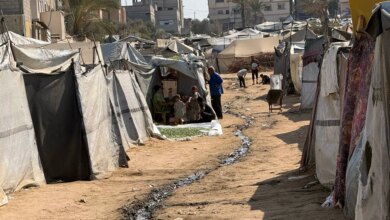
Conflict between the Saudi-led coalition supporting Yemen’s internationally recognized government and the Houthi militia, which holds the Yemeni capital of Sanaa, has escalated sharply in recent weeks, evolving into a volatile front connected to the broader U.S.-Israeli confrontation with Iran. Houthi forces have targeted Riyadh’s international airport alongside facilities belonging to state oil giant Saudi Aramco, resulting in disruptions to international flights and petroleum exports. Meanwhile, international aid organizations continue to issue warnings regarding deteriorating conditions in Yemen, which already faces one of the severe humanitarian crises globally.
Following the parliamentary vote, Foreign Minister Abdelatty and Egyptian intelligence chief Hassan Rashad traveled to Riyadh on Wednesday to deliver a personal letter to Saudi Crown Prince Mohammed bin Salman from President Sisi. Sisi emphasized that Egypt’s defensive backing would be strictly confined to protecting Saudi territory and borders rather than conducting offensive operations inside Yemen. Speaking after the visit, Abdelatty stressed that Cairo remains committed to pursuing every available diplomatic opportunity to achieve a resolution to the Yemen conflict.