In the lead-up to the 2026 midterm elections, political campaigns are navigating traditional debates over the economy, foreign policy, and healthcare alongside an increasingly prominent digital phenomenon: online fandom and candidate aesthetics. Across platforms like TikTok and Instagram, clips highlighting the physical appearance and workout routines of select Democratic figures have surged in popularity.
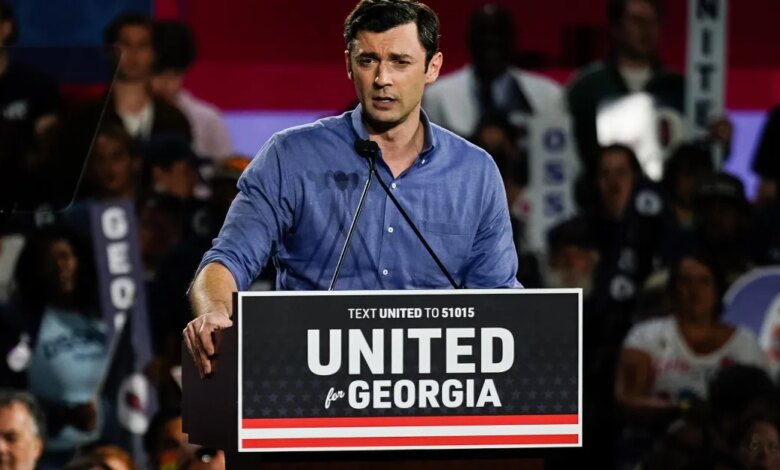
Among the figures frequently featured in these viral tributes are Georgia Senator Jon Ossoff, who is running for reelection, and Michigan candidate Abdul El-Sayed, who has drawn attention for his gym routines. Political observers note that while physical appeal has long played a subtle role in American politics—tracing back to historic matchups like John F. Kennedy and Richard Nixon—the modern iteration has adapted specifically to the algorithms and fan culture of social media.
Interviews with creators who produce these digital tributes indicate that the vast majority of the content originates organically from regular supporters rather than coordinated or paid campaign partnerships. Creators construct these videos to draw visibility to candidates they favor. While campaigns do not directly commission or coordinate the material, political strategists observe that candidates with strong visual presentation provide ample raw material through high-quality rally livestreams and public appearances.
Official party infrastructure has also begun to engage with the trend. Accounts operated by party headquarters, which previously managed operations under prior branding like Kamala HQ, have shared side-by-side clips and countdown content featuring figures such as Ossoff, El-Sayed, Mamdani, and former President Barack Obama, whose legacy content continues to generate high engagement.
This shift in digital strategy emerges from extensive discussions within the Democratic Party regarding digital outreach following the 2024 elections. Analysts within the digital space have pointed to the success of Republican campaigns in generating organic engagement across short-form video platforms. By encouraging or aligning with informal creator culture, Democratic strategists aim to close the engagement gap and counter what critics frequently described as an aging political leadership.
At the same time, this strategy introduces complex dynamics, including questions around objectification and gender standards. While male candidates often benefit from lighthearted appreciation without diminishing their perceived legislative seriousness, female politicians frequently face stricter scrutiny regarding their presentation. Observers note that while supporters of figures like Alexandria Ocasio-Cortez frequently produce positive hype content, women candidates navigate a markedly different set of public expectations.
Some critics argue that emphasizing candidate appearance risks trivializing serious policy debates or making the political process appear overly superficial. However, supporters counter that contemporary politics operates within an intensely image-driven society where visual presentation naturally influences voter perception. They contend that acknowledging this reality allows campaigns to meet voters where they consume media.
Ultimately, political analysts suggest that digital aesthetics alone cannot overcome broader economic or structural challenges, noting that past attempts to leverage viral internet moments had mixed results when disconnected from pressing voter concerns. Campaigns attempting to harness online fandom must couple digital engagement with substantive policy platforms that address inflation, governance, and constituent needs as the midterm cycle intensifies.