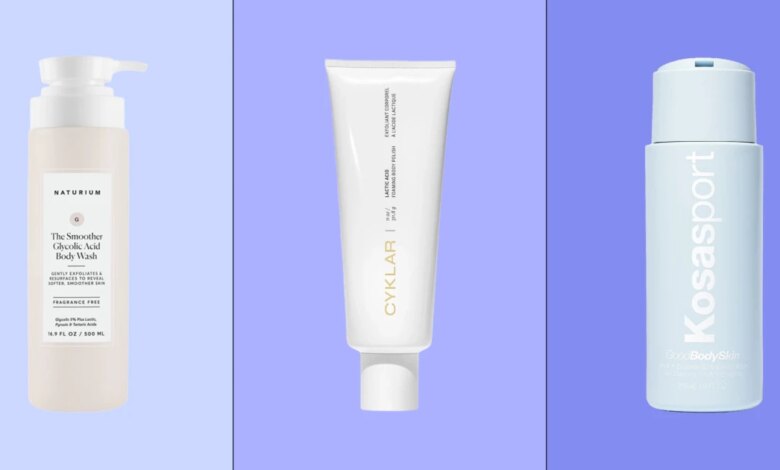
Standard body washes are designed to strip away daily dirt and grime, but for individuals struggling with persistent skin concerns like acne, rough patches, or dullness, simple cleansing is often insufficient. According to board-certified dermatologists, incorporating an exfoliating body wash into a regular routine can serve as a targeted tool to remove dead skin cells, manage excess oil, and smooth out the skin’s texture without requiring the additional steps of leave-on treatments.
While the skin naturally sheds dead cells in a process called desquamation, this cycle inevitably slows down as people age. Dr. Michele Green, a board-certified cosmetic dermatologist in New York City, notes that an exfoliating wash can help maintain smoothness and keep pores clear by assisting this natural process. However, Dr. Hadley King, a board-certified dermatologist and founder of Hadley King Dermatology, cautions that these products are more of a specialized intervention than a universal necessity. Choosing the right formula depends heavily on a person’s specific skin type and the biological mechanisms of the ingredients involved.
Chemical exfoliants are generally categorized into three groups: Alpha Hydroxy Acids (AHAs), Beta Hydroxy Acids (BHAs), and Poly-hydroxy Acids (PHAs). AHAs, such as glycolic, lactic, and mandelic acids, are water-soluble and work primarily by dissolving the bonds between dead skin cells on the surface. Dr. King explains that these are particularly effective for improving surface roughness and overall skin texture. Lactic acid, specifically, is often favored for those with drier skin because it provides hydration while it exfoliates. Newer formulations often combine multiple AHAs—such as malic and tartaric acids—to provide a more comprehensive smoothing effect.
For those dealing with body acne or clogged pores, BHAs like salicylic acid are the preferred choice. Because salicylic acid is oil-soluble, it can penetrate deep into the pores to remove excess sebum and debris. Dr. King notes that this makes it highly effective for treating follicular bumps and preventing new inflammatory pimples from forming. Additionally, individuals with sensitive skin may find success with PHAs like gluconolactone. These molecules are larger and penetrate the skin more slowly than AHAs, which significantly reduces the risk of irritation while still providing a gentle exfoliating effect.

Physical exfoliants offer a different approach, using abrasive particles to manually buff away dead skin. While some traditional scrubs use coarse materials that can cause micro-tears or irritation, modern formulations often utilize finer substances like bamboo dust, jojoba beads, or volcanic pumice. Dr. King generally advises using smooth, non-abrasive particles rather than harsh scrubs, as the latter can sometimes exacerbate breakouts. Some products now utilize a hybrid approach, combining a chemical acid like lactic acid with fine microbeads to provide both immediate manual smoothing and deeper chemical exfoliation.
Specific skin conditions require specialized ingredient profiles. For Keratosis Pilaris (KP), a common condition characterized by rough, tiny bumps often found on the arms and thighs, Dr. Green recommends high concentrations of glycolic acid to dissolve the keratin plugs that cause the texture. When addressing hyperpigmentation or dark spots, ingredients like kojic acid, vitamin C, and turmeric are often added to exfoliating bases to help brighten the skin tone. For those with oily skin, niacinamide is a frequent companion to salicylic acid, as it helps regulate sebum production and calm redness.
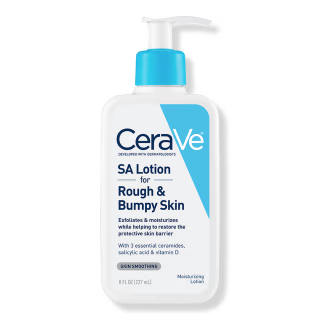
Proper application is critical to seeing results without damaging the skin barrier. Dr. Green suggests using these washes two to four times a week, rather than daily, to prevent over-exfoliation. It is also recommended to alternate these treatments with gentle, non-exfoliating washes. Experts warn against using loofahs or abrasive shower tools in conjunction with exfoliating washes, as the combination can be too aggressive. For maximum efficacy, Dr. Green advises allowing the product to sit on the skin for one to two minutes before rinsing, giving the active acids enough time to interact with the outermost layers of the dermis.
While effective, rinse-off exfoliating products have limitations. Dr. King points out that because the contact time is relatively short, a leave-on exfoliating lotion or cream will generally offer a more potent or consistent result for severe issues. However, for most people looking to maintain skin health, a well-chosen exfoliating wash provides a practical balance of convenience and performance. Both experts emphasize that these products should never be used on broken skin, open wounds, or during active skin flare-ups and irritations.