Nation’s Top OB-GYNs Release First-Ever Guidelines on GLP-1 Use During Pregnancy and Breastfeeding

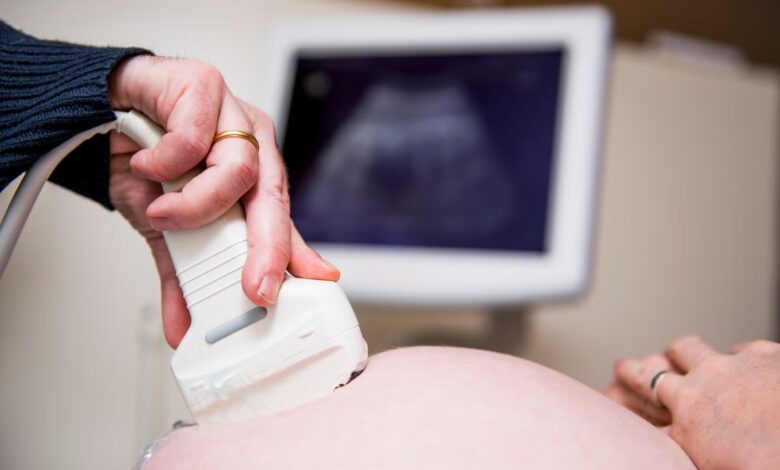
The nation’s leading organization for obstetricians and gynecologists has issued its first-ever comprehensive guidelines addressing the safety of GLP-1 weight loss and diabetes medications for expectant and new mothers. Published on Friday, the new protocols arrive as healthcare providers grapple with a significant surge in prescriptions across the United States in recent years, often operating previously without standardized clinical instruction.
According to the American College of Obstetricians and Gynecologists guidelines, women should completely forgo taking GLP-1 medications during pregnancy. Doctors are instructed to advise patients to discontinue the drugs one to two months before they actively plan to conceive. While about 1 in 300 women are exposed to these medications before pregnancy, lead author Dr. D. Yvette LaCoursiere emphasized that available data remains insufficient to definitively determine the long-term effects of the drugs on a developing fetus or pregnancy outcome.
“This is a fast-moving area of research, so for now we need to proceed with caution and reassess as more data becomes available,” said LaCoursiere, a professor at the University of California, San Diego, in a prepared statement.
The guidance takes a more nuanced approach regarding the postpartum period, noting that resuming the injections may be acceptable while breastfeeding, specifically after a baby’s first month. However, LaCoursiere clarified that the recommendations do not constitute a blanket endorsement of the drugs during lactation, but rather establish a framework for individualized discussions between patients and their healthcare providers.
Because GLP-1 medications directly impact caloric and nutrient absorption, critical questions remain about how those physiological changes affect breast milk composition. The guidelines are designed to help providers track evolving data alongside their patients to reach informed decisions.
The release of the guidelines coincides with recent findings highlighting a dramatic rise in postpartum prescriptions. Researchers at the University of Southern California reported that the percentage of new mothers receiving prescriptions for GLP-1 drugs experienced a 24-fold increase over a seven-year span from 2018 to 2025. Furthermore, a survey published by the consulting group EY-Parthenon indicated that the majority of Americans taking these drugs now use them primarily for weight loss rather than managing diabetes or other underlying health conditions.
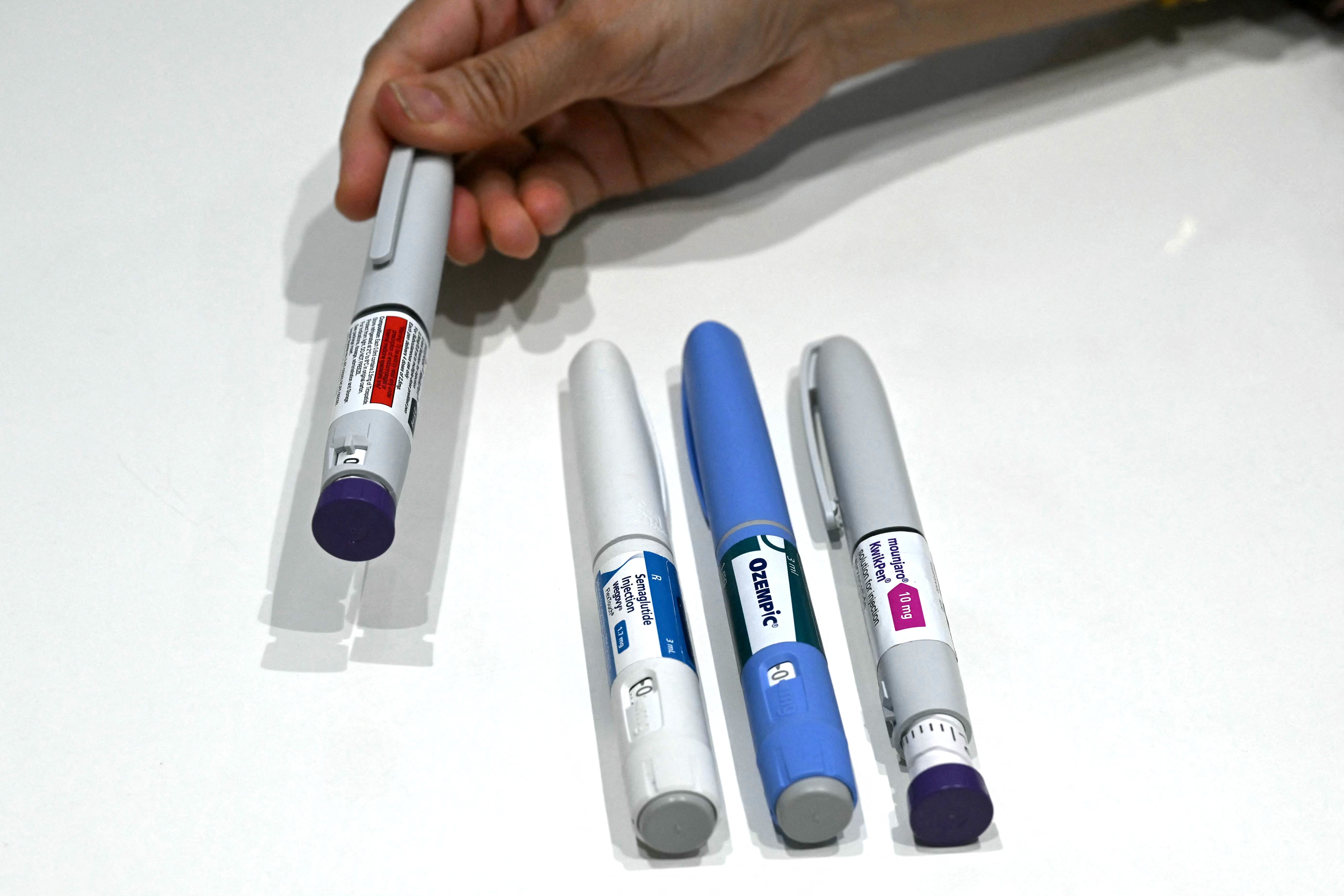
Despite the rising popularity of the medications among women of childbearing age, postpartum effects have not been widely studied. The new guidance refrains from specifying whether women who did not qualify for a prescription prior to pregnancy should initiate GLP-1 use after giving birth, noting that recommendations will be updated as scientific understanding advances.
Existing preliminary research offers mixed indicators. A Harvard T.H. Chan School of Public Health study published in June found that taking GLP-1s during the first trimester does not appear to substantially increase the risk of adverse pregnancy outcomes, though that research does not evaluate safety profiles for later stages of gestation. Similarly, preliminary studies suggest the drugs are unlikely to pass into breast milk, though the new guidelines explicitly advise breastfeeding individuals to avoid oral formulations of the medications.