Trump’s Personalized Midterm Strategy Sparks Debate as Republicans Face Congressional Control Battles

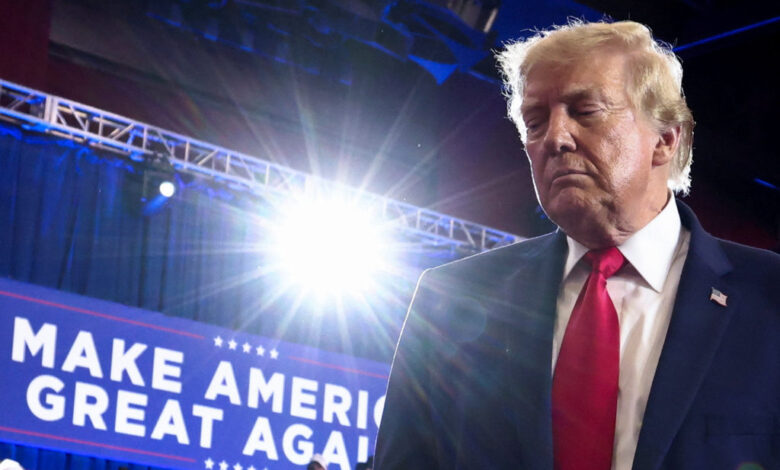
President Donald Trump is leaning heavily into a deeply personal, self-focused campaign strategy as the country approaches the midterm elections, embarking on a cross-country tour of rallies that keep him at the center of the political landscape. The approach represents a high-stakes gamble for the Republican Party as it seeks to maintain control of Congress amid a challenging political environment defined by economic concerns, an ongoing conflict with Iran, high energy prices, and debates over artificial intelligence and redistricting.
While enthusiastic crowds continue to turn out for the president in safe Republican territory and conservative pockets of swing states, his overall popularity numbers have sparked concerns among political analysts and opposing parties. Only 17% of U.S. adults approved of Trump’s handling of the cost of living in a late-September poll, and mid-October polling indicated that roughly 40% of registered voters viewed their congressional vote as a message opposing Trump, compared to about 20% viewing it as support.
Democratic strategists and allied groups have capitalized on the strategy. EMILY’s List President Jessica Mackler noted that Democratic candidates often view Trump’s high-profile events as beneficial, arguing that his focus exposes a disconnect with voters frustrated by current conditions. Conversely, White House spokesperson Davis Ingle defended the president’s role, calling him the unequivocal leader and best motivator for the party while contrasting his agenda with Democratic policies.
Trump’s personalized approach has extended beyond traditional rally appearances. The first-ever Republican midterm convention featured imagery depicting the president as a cowboy and the Marlboro Man, while political action committees associated with him spent at least $277 million starting September 1 to support Republicans, leaving significant reserves in flagship Super PAC MAGA Inc. Additionally, the administration utilized taxpayer-funded television spots celebrating the president, echoing advertising from the 2024 presidential campaign.
Internal party dynamics have also shifted under Trump’s influence. In Texas, his endorsement helped Ken Paxton defeat incumbent Sen. John Cornyn in the primary, creating a more competitive general election contest against Democrat James Talarico. In North Carolina, friction between Trump and Sen. Tom Tillis prompted Tillis to retire, leaving Republicans bracing for a potential pickup by former Democratic Gov. Roy Cooper.
Longtime Michigan pollster Richard Czuba suggested that the president’s intense focus on himself risks alienating conservative voters who might otherwise support the party, driving them toward the opposition. As voters across the country weigh their choices, the political divide remains sharply defined by how individual electorates view the president’s leadership and agenda.