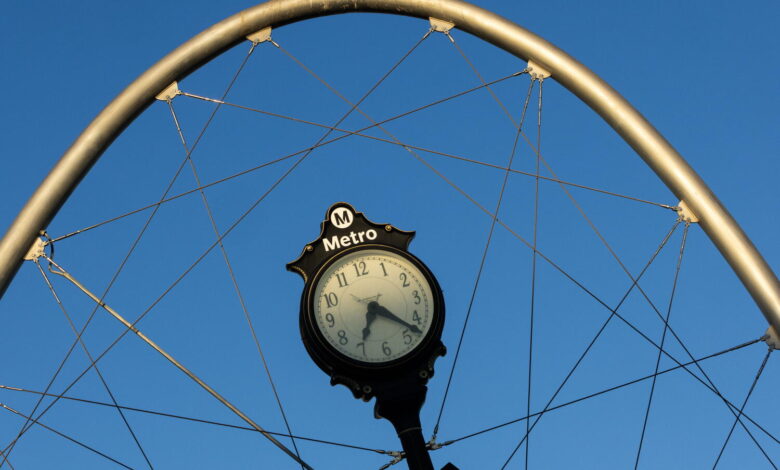
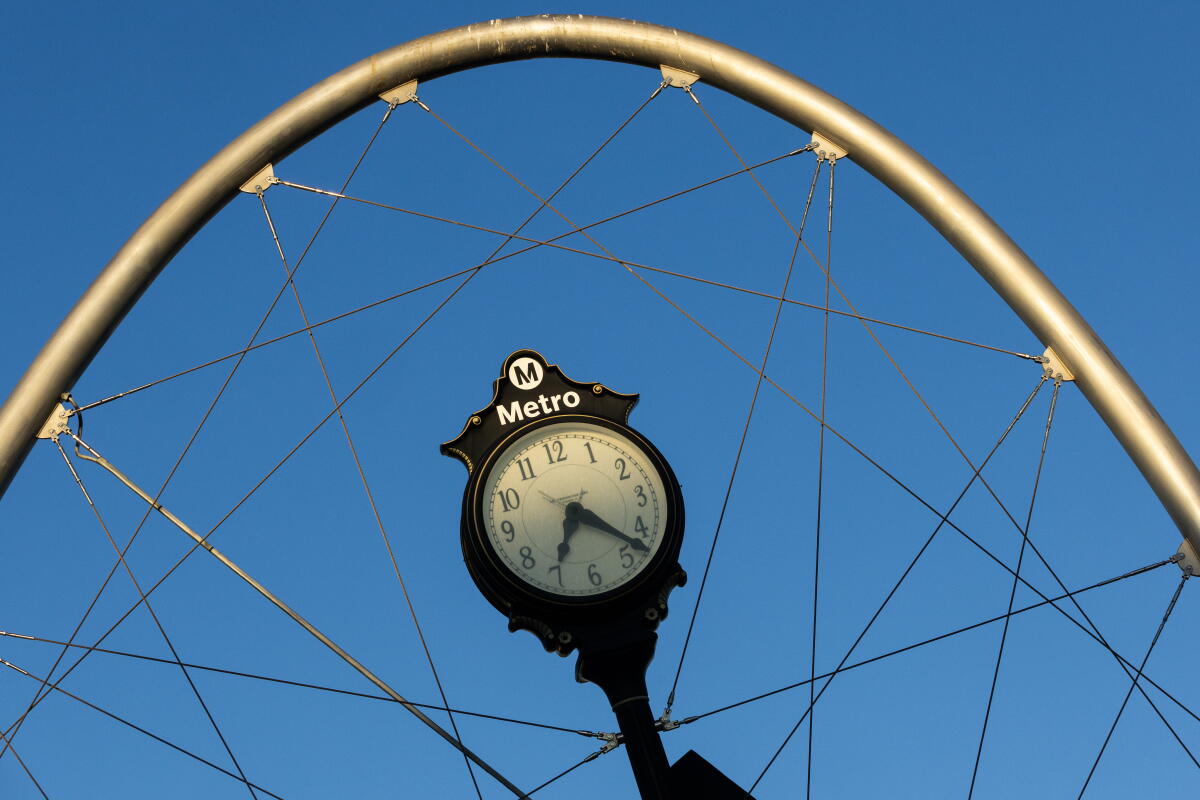
Daylight saving time officially concludes before dawn on Sunday, returning standard time to most of the United States and granting residents an extra hour of sleep. Clocks are scheduled to fall back one hour at 2 a.m. on November 1. While digital devices and smartphones adjust automatically, individuals relying on analog timepieces must manually set them back.
The transition brings an immediate shift in daily routines, introducing brighter mornings while plunging evenings into earlier darkness. The practice itself dates back to the Standard Time Act of 1918, and despite numerous legislative attempts over the decades to abolish the twice-annual ritual, the clock-changing tradition persists.
Congressional debate continues around the Sunshine Protection Act, a stalled proposal that would make daylight saving time permanent rather than seasonal. Under this measure, clocks would advance in March and remain there indefinitely, eliminating winter clock changes to extend evening daylight for after-school and after-work activities. President Trump has voiced support for permanent daylight saving time, recently urging constituents in Arkansas to contact the personal cellphone of Republican Senator Tom Cotton. Cotton has opposed the legislation, warning that darker morning commutes would force children to walk to school in hazardous pre-dawn darkness.
Meanwhile, sleep specialists and medical professionals have advocated for permanent standard time instead, arguing that it aligns better with human circadian rhythms and reduces health risks. Additional research indicates that permanent daylight saving time could increase vehicle collisions involving pedestrians during darker morning hours.

Federal law permits individual states to opt out of daylight saving time with congressional approval, though the vast majority continue to observe it. Hawaii, most of Arizona, and U.S. territories do not alter their clocks. In California, voters authorized lawmakers to end the practice in 2018, but subsequent efforts to implement the change have stalled.
For those observing the system, standard time will remain in effect until daylight saving time resumes on March 14, 2027.