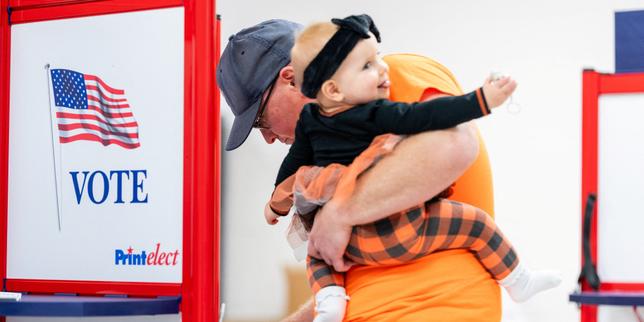
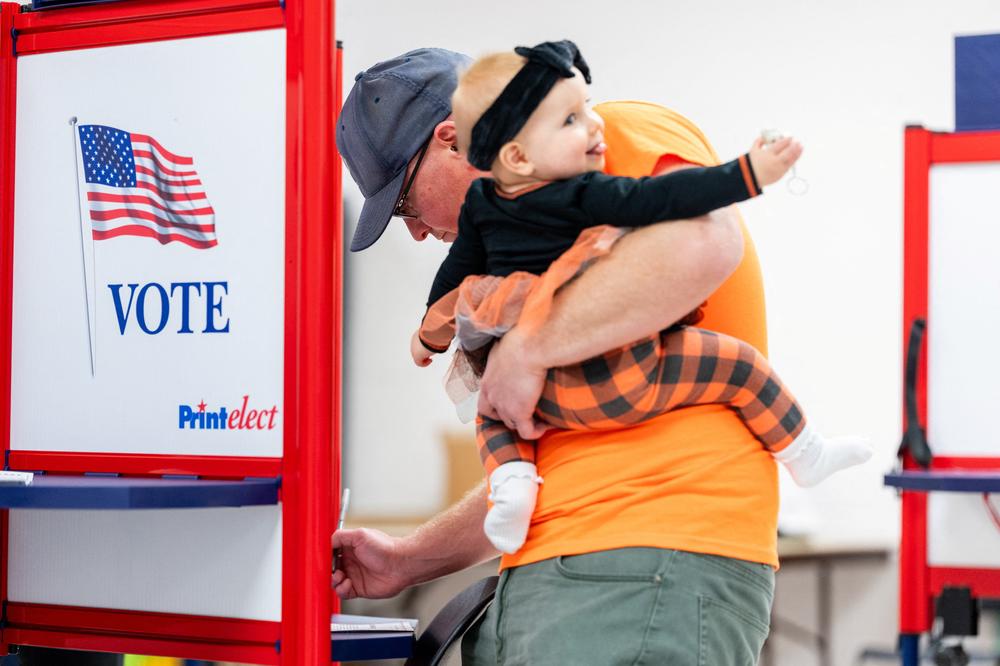
More than 52 million Americans have already cast their ballots through early voting methods ahead of the midterm elections, reflecting robust engagement as the final days of campaigning unfold. With the final day of voting scheduled for Tuesday, November 3, turnout has surged across multiple states, split roughly equally between in-person voting at polling locations and mail-in ballots. In several jurisdictions, early voting periods conclude over the weekend.
National political attention has increasingly focused on high-stakes Senate and congressional battles where control of Capitol Hill hangs in the balance. In Texas, a fierce contest is underway for a Senate seat between Democratic challenger James Talarico, a 37-year-old former teacher and Presbyterian seminarian, and the incumbent Republican state attorney general, Ken Paxton. Campaigning in Houston, Mr. Talarico criticized his rival over past legal controversies and financial backing, describing the race as a David versus Goliath dynamic. Mr. Talarico pointed to billionaire Elon Musk’s substantial financial support for the Republican campaign, while characterizing himself as representing ordinary Texans. In response, Mr. Paxton, who secured Donald Trump’s endorsement during the Republican primary, held a rally in Fort Worth, contending that his opponent’s platform is too liberal for the state and warning against progressive leadership.
The broader political map features heightened friction over campaign tactics, legal challenges, and high-profile endorsements. In Alaska, federal prosecutors confirmed that ongoing criminal and civil investigations are examining allegations that the campaign of Democratic Senate candidate Mary Peltola encouraged a namesake candidate to run in order to siphon votes from incumbent Republican Senator Dan Sullivan. Ms. Peltola strongly rejected the accusations during an Anchorage rally, calling them offensive and asserting she needs no such assistance to win. Meanwhile, federal authorities have reinforced investigative resources in the state.
Legal battles over election administration have also intensified. A federal appeals court recently rejected a bid by the administration to block the counting of approximately 20,000 ballots in California whose citizenship was challenged by federal officials, ruling that the administration lacked the authority to disrupt state verification procedures without congressional authorization. Separately, a federal judge in San Francisco ordered the Justice and Homeland Security departments to halt pressure on local election workers.

Campaign finances continue to pour into competitive races nationwide. Former New York City Mayor Michael injected an additional $36 million into Democratic campaigns, bringing his total recent contributions to approximately $116 million to support congressional and gubernatorial candidates in tight races. On the Republican side, heavy expenditures from leadership funds and political action committees aim to defend vulnerable seats, particularly in conservative strongholds like Texas, where leading figures have expressed concern over energized Democratic mobilization.
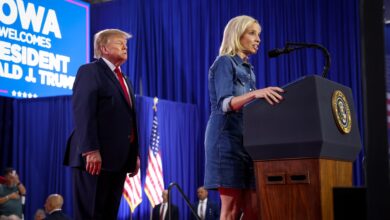
On the presidential front, Donald Trump adjusted his weekend schedule to campaign in person in Iowa and Kansas on Sunday, reversing earlier plans to rely exclusively on remote telephone rallies. Earlier in the week, he reiterated a proposal to distribute $5,000 to citizens should Republicans sweep the midterms, despite ongoing questions regarding the policy’s legality and funding. As the final hours of the campaign tick down, both parties are racing to secure turnout across undecided districts that will determine control of Congress.