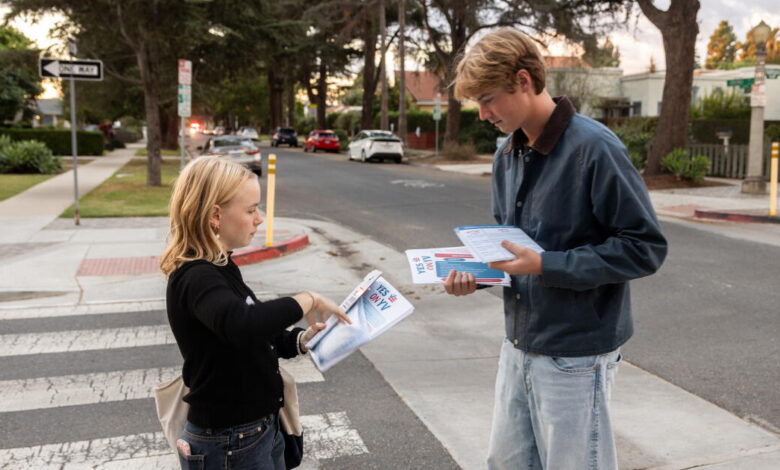
Arlo Meighan-Thiel is 16 years old and already eager to cast a ballot. As a junior at Culver City High School, he believes his peers are sufficiently mature and well-informed to participate in local democratic decisions. In Culver City, an active ballot measure before adult voters in the November election could eventually grant 16- and 17-year-olds the right to vote in local city and school board contests. If approved, Measure YV would establish the Westside municipality as one of a select few cities nationwide, and among a handful in California, to expand voting access to minors.
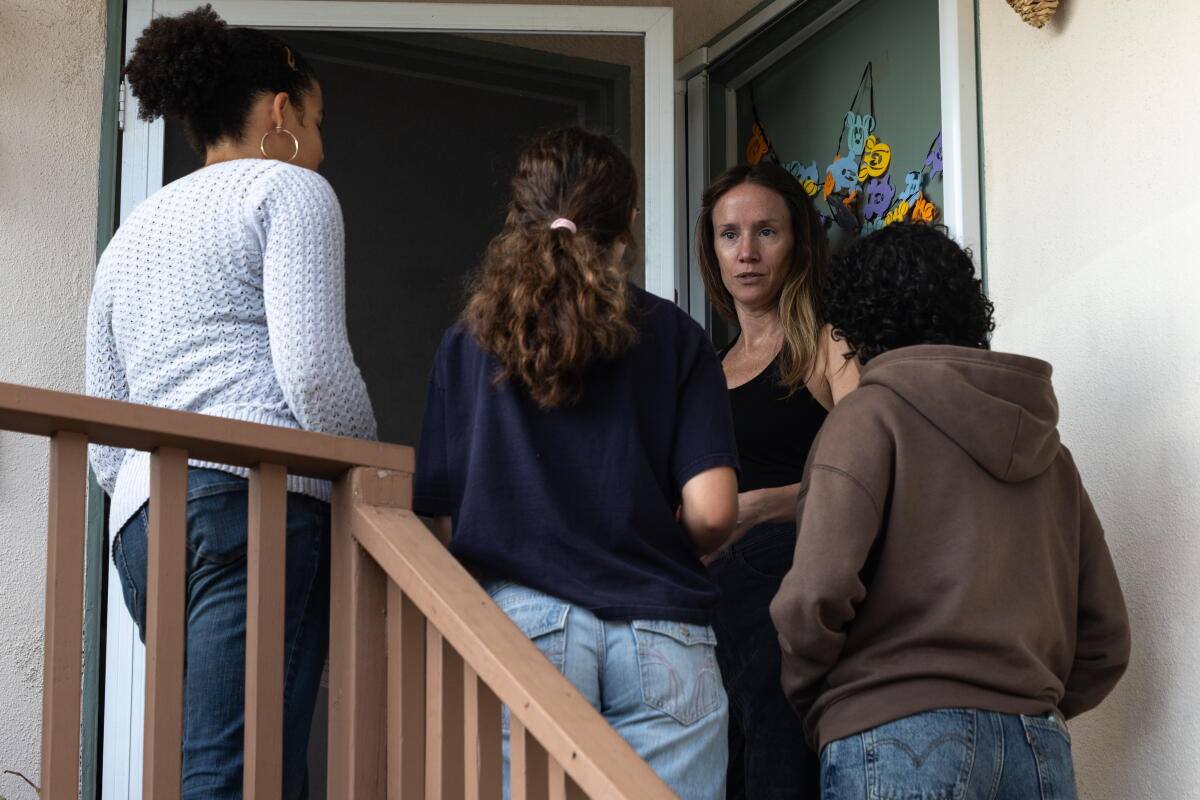
Meighan-Thiel serves as a policy and advocacy leader for Vote16 Culver City, a student-run lunchtime organization. When not juggling homework, college applications, extracurriculars, and a job as a high school baseball pitcher and first baseman, he spends his time canvassing neighborhoods and knocking on doors to build support for the initiative. Formally designated as Measure YV, the proposal seeks a charter amendment allowing youth voters to participate exclusively in school board and municipal elections, while excluding them from county, state, and federal contests.
The push follows a narrow defeat in 2022, when a similar youth-voting measure failed by just 16 votes after garnering 8,293 supporting votes—surpassing the total received by any single City Council candidate that year. After a citizen-led initiative failed to gather enough signatures for the 2024 ballot, the Culver City Council voted 3 to 2 in February to place Measure YV before voters following requests from student advocates.
Supporters argue that teenagers who are old enough to drive, work, and pay taxes possess the maturity required to influence local policies affecting schools, parks, public safety, and transportation. In California, residents aged 16 and 17 are already permitted to pre-register so they become automatically eligible to vote upon turning 18. Vice Mayor Bryan “Bubba” Fish, who supported placing the measure on the ballot, addressed student activists in February by emphasizing that young people bear the brunt of local housing and climate crises and deserve a seat at the table.
Opponents, however, contend that adolescents remain too impressionable and vulnerable to political manipulation. Five opponents submitted a formal statement for the city voter guide warning that student voters would form a captive bloc whose contact information, becoming part of public record, would expose them to aggressive outreach by political strangers. Signers of the opposition statement include City Council member Albert Vera, former Mayor Göran Eriksson, and former Mayor Ed Wolkowitz.
Wolkowitz argued that while age 18 is an arbitrary threshold, a cutoff is necessary and that Measure YV remains unneeded because motivated teenagers can already work on campaigns and advocate without voting. He also noted potential complications for school board elections given that not all enrolled students reside within city limits. Ron Bassilian, president of the political action committee Protect Culver City and a signer of the opposition statement, voiced concerns that high schools could become arenas for political interests seeking access to students. Bassilian stated that if the measure passes, his organization intends to use legal channels to obtain voter data and engage young voters through direct mail, phone calls, and door-to-door canvassing.

Proponents counter that California voter information is heavily restricted under state law, which limits access to electoral, scholarly, journalistic, and governmental purposes, making misuse a crime. Adina Austin, a 17-year-old senior and vice president of Vote16 Culver City, noted that teenagers already navigate intense political messaging through digital media algorithms. Austin explained that her involvement grew after witnessing the impact of budget cuts and staff reductions within the Culver City Unified School District, viewing youth voting as a vital pathway to lifelong civic engagement.
Vote16 Culver City is affiliated with Vote16USA, a national organization funded by the New York-based Goodnation Foundation. The movement traces its municipal roots to 2013 when Takoma Park, Maryland, lowered its municipal voting age to 16, a step later followed by select cities in New Jersey and Vermont. In California, Berkeley lowered the voting age for school board elections in 2016, followed by Oakland in 2020. In 2024, voters in Albany approved a measure allowing 16- and 17-year-olds to cast ballots in all municipal elections, with Alameda County election officials arranging vote-by-mail ballots for pre-registered youth voters ahead of school board contests.