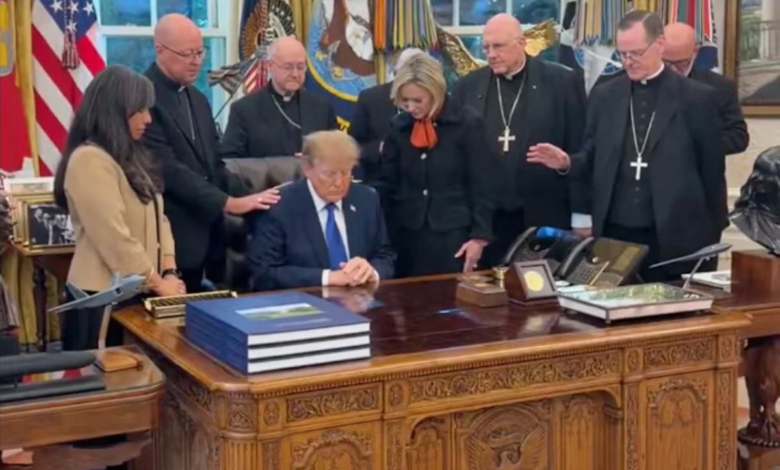
Two prominent Catholic bishops have issued formal apologies and expressed deep regret following a White House meeting with President Donald Trump, alleging the administration manipulated a private prayer session for political purposes. The apologies come as the U.S. remains less than two weeks away from critical midterm elections, with religious leaders expressing concern that their presence was exploited for partisan gain.
Milwaukee Archbishop Jeffrey Grob released a statement titled “A Public Apology” on Sunday, October 25, 2026. He noted that he had received a wave of distraught messages from the faithful after the White House publicized photos and videos of the event. Grob and 11 other bishops had attended the meeting on Thursday, under the impression that the encounter would remain a private dialogue between the clergy and the executive branch.
“I feel a heavy sadness, not only over the pain I caused, but also for the fact that something so sacred to a group of religious leaders, prayer to our Heavenly Father, would be manipulated in that way,” Grob stated. He added that the administration acted without the consent of the participants in distributing the media so close to a national election.
Bishop William Joensen of Des Moines, Iowa, echoed these sentiments in his own statement, admitting he felt taken advantage of by the administration’s communications team. “I wish I had been more shrewd and less simple, like those who exploited our meeting for partisan political purpose,” Joensen wrote. While expressing regret over the political optics, he noted he would remain open to engaging with political leaders but vowed to be more “prudent and wise” in future interactions.
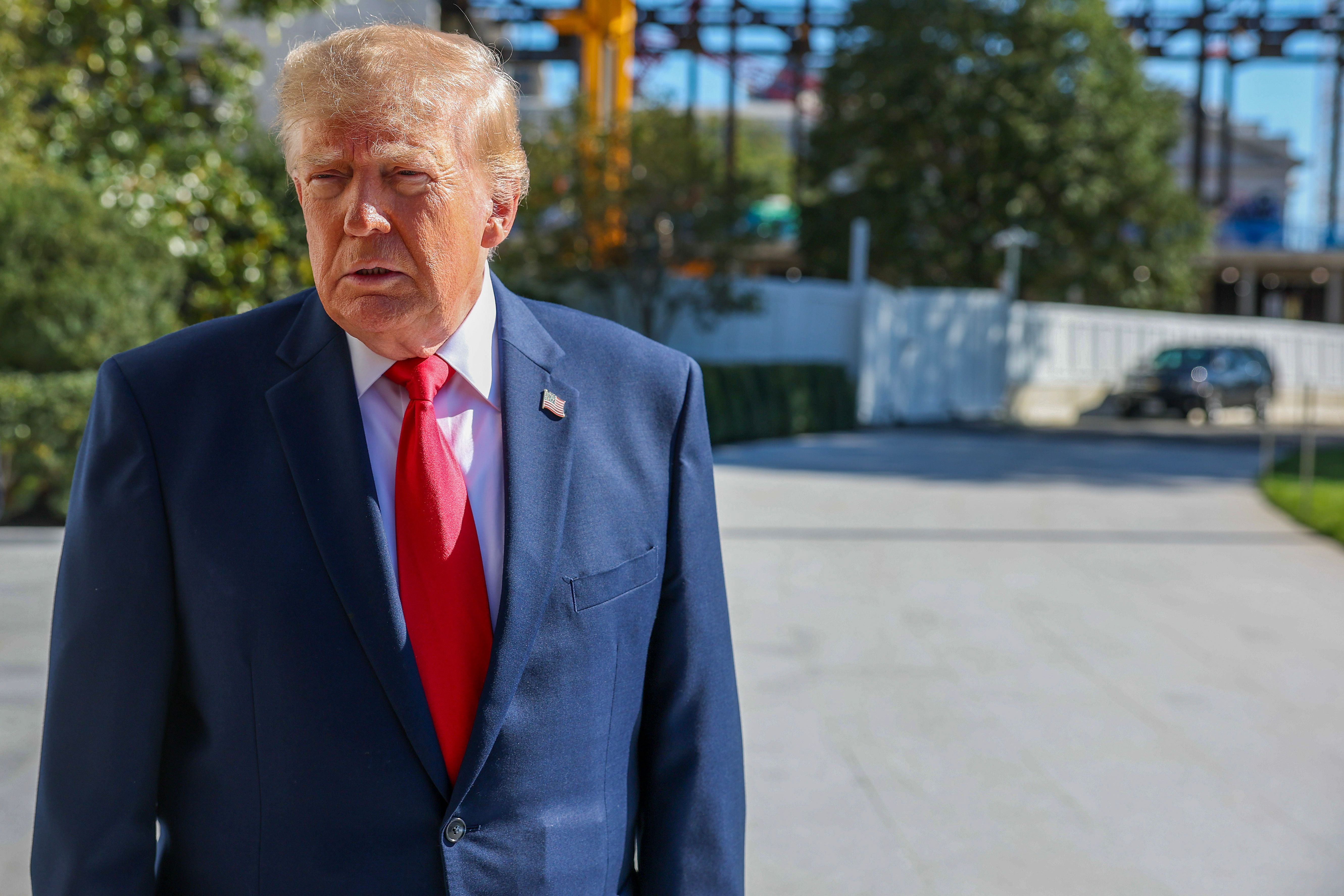
The White House press office did not directly address questions regarding whether it had received consent from the bishops before releasing the imagery. Instead, White House spokeswoman Taylor Rogers provided a statement defending the administration’s relationship with the church. “There has never been a greater president for Catholic Americans than President Trump, and his strong record proves it,” Rogers said.
According to the bishops, the invitation for the meeting was extended in September. The agenda was framed as a substantive discussion on specific policy issues, including immigration enforcement, religious worker visas, abortion, and the potential use of federal tax credits to support private education. The bishops were reportedly told that the meeting was intended to be a private discussion that might include several Catholic members of the cabinet, followed by an opportunity for private prayer with the president.
Archbishop Grob emphasized that the gathering was “in no way an endorsement of the president, his policies, or his party.” He admitted that he had initial reservations about attending and expressed regret for not following those instincts. “I also heard from some who felt wounded because of the ways they or their family had been harmed by the president’s policies,” Grob said.
The controversy highlights ongoing divisions within the U.S. Conference of Catholic Bishops regarding the Trump administration. While some members, such as Minnesota-based Bishop Robert Barron, have agreed to serve on official bodies like the administration’s Religious Liberty Commission, others have been vocal critics. Many bishops have specifically denounced the administration’s approach to immigration enforcement, arguing that the current policies run counter to core Catholic teachings on the treatment of migrants and families.