California’s gubernatorial campaign has thrust a controversial funding mechanism back into the political spotlight, as candidates debate whether to implement a statewide mileage tax to finance critical road repairs. The discussion highlights long-standing friction over how to maintain infrastructure as transportation habits evolve, with candidates sharply divided on the state’s financial needs and tax burdens.
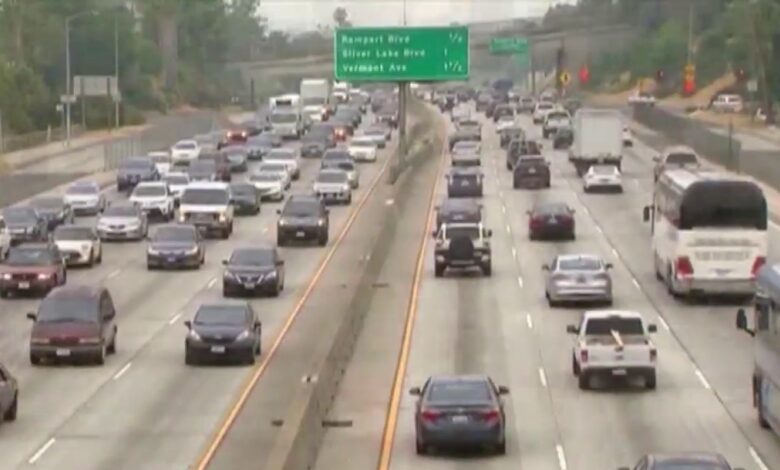
The debate centers on the concept of a vehicle-miles-traveled, or VMT, tax designed to offset projected shortfalls in traditional gas tax revenues. Proponents argue that the proliferation of electric vehicles is eroding traditional gasoline tax collections, forcing the state to explore alternative funding streams to preserve its transportation network. However, critics dispute the urgency and necessity of such a shift.
Democratic candidate Xavier Becerra addressed the issue in a recent interview, indicating that potential solutions should remain open. “Our roads aren’t paid for by some magic wand; we have to pay for it. Do I want to tax people more than necessary? No,” Becerra said, stating that “everything should be on the table” when asked about considering a mileage tax. A subsequent campaign statement clarified that Becerra has not formally proposed a mileage tax, adding that working families already contribute daily while emphasizing a focus on wealthy taxpayers.
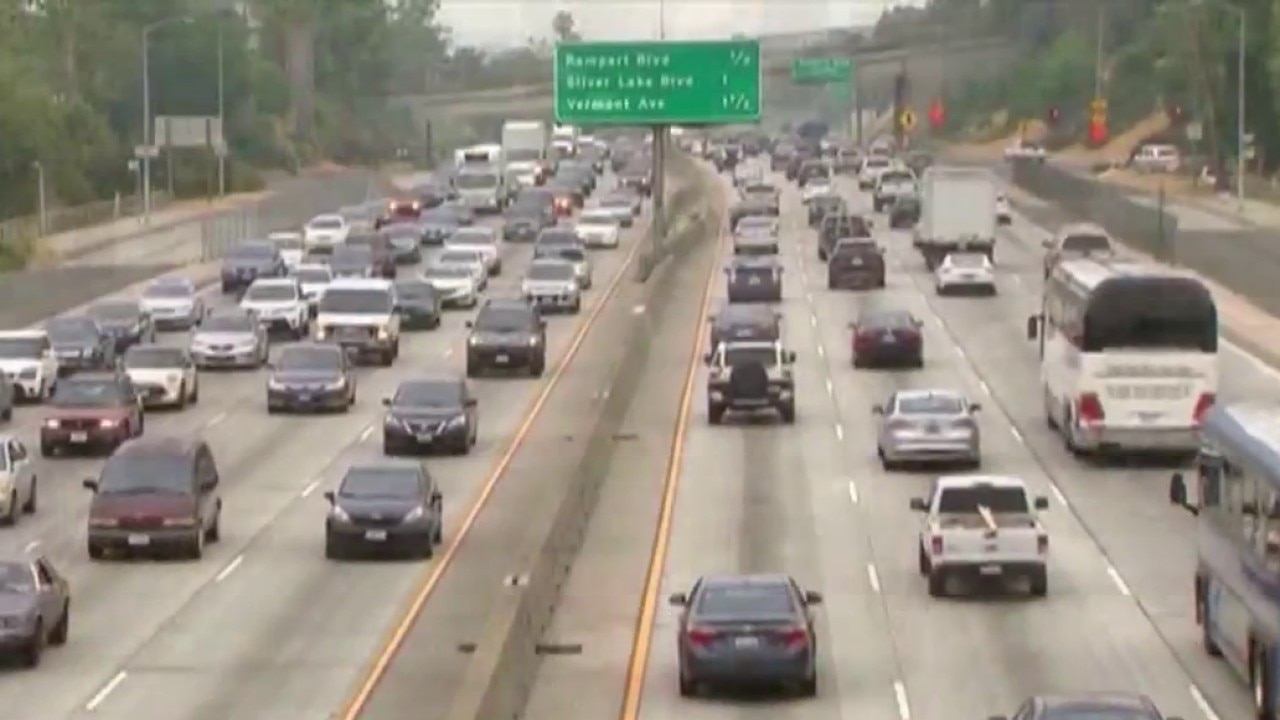
Republican candidate Steve Hilton mounted a vigorous opposition to the concept, criticizing Becerra’s openness to the idea against the backdrop of the state’s existing fiscal demands. “By the way, this is on top of the highest gas tax in the country, on top of the highest car or truck registration fees in the country, it just never ends,” Hilton said. He argued that the premise of an urgent revenue gap caused by electric vehicles is overstated, pointing out that the vast majority of vehicles on the road continue to rely on conventional fuels. “93 percent of the cars and trucks on our roads run on gas and diesel, so it’s just not correct to say that this is some problem, mileage tax solution right now,” Hilton stated.
Legislative interest in a VMT fee system is not entirely new. Earlier this year, Democratic Assemblywoman Lori Wilson discussed legislative proposals aimed at studying a mileage-based fee system to address long-term projections of declining gas tax revenues. Wilson has endorsed Becerra in the gubernatorial contest.
Republican state lawmakers have previously cited projected rates under studied plans that could range between 6 and 9 cents per mile, translating to roughly $1,000 annually in new costs for an average driver. Beyond a flat mileage fee, other policy experts suggest exploring targeted levies based on vehicle weight. Kate Gordon, CEO of California Forward, noted that heavier commercial trucks inflict a disproportionate share of infrastructure wear and tear. Gordon emphasized that policymakers must eventually confront the reality of funding aging roadways through creative avenues, even as candidates trade barbs over the political cost in the final days before Election Day.