Luiz Inacio Lula da Silva, the veteran leftist leader of the Workers’ Party (PT), has secured a historic fourth non-consecutive term as president of Brazil. In a decisive runoff election held on Sunday, October 25, 2026, Lula defeated his right-wing challenger, Senator Flavio Bolsonaro, marking a significant shift in the political landscape of South America’s largest economy.
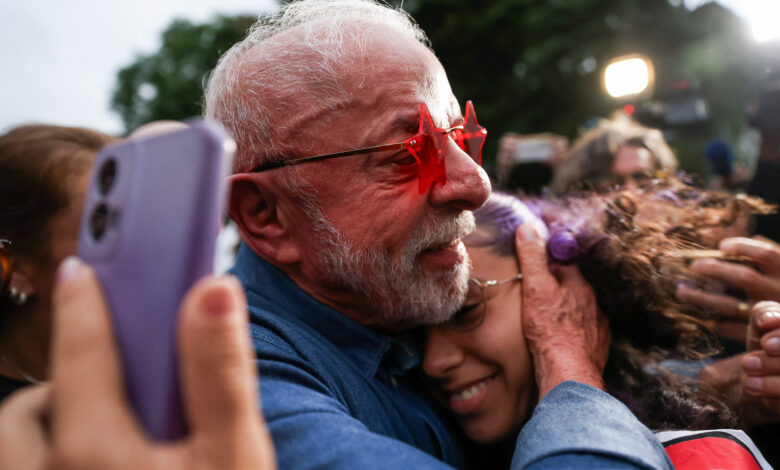
The victory was met with immediate celebration in Sao Paulo, where Lula was seen embracing supporters outside his residence following the announcement of the results. The win cements Lula’s enduring influence on Brazilian politics, as he prepares to lead the nation once again after a high-stakes campaign that concluded with the Sunday runoff.
International reaction to the news has been swift and largely supportive, with various world leaders framing the result as a victory for democratic stability. Messages from across the globe praised the Brazilian electorate for their participation in the process. One official statement characterized the day as a “great democratic journey” for the Brazilian people, while another celebrated the outcome with the exclamation, “Long live democracy, the people of Brazil won.”
In South America, neighboring governments emphasized the importance of regional cooperation. The government of Paraguay signaled its intent to deepen ties with the incoming administration, noting that the two nations share a “common agenda of integration and development.” Paraguayan officials stated they would continue working alongside Brazil to ensure the well-being of their respective populations.
Similarly, leaders in Bolivia highlighted the deep historical and cultural connections between the two countries. Describing Bolivia and Brazil as “neighboring and brother countries,” officials in La Paz expressed a commitment to strengthening their bilateral relationship to address common challenges and generate new economic opportunities for both nations.
A diplomatic ally, who spoke personally with the president-elect shortly after the results were finalized, described Lula as a friend and congratulated him on the “democratic celebration” represented by the electoral process. This sentiment was echoed in more ideological terms by the Cuban government. In a statement addressed to their “dear brother Lula,” Cuban officials called the win a historic victory that would ensure the continuity of “peace, sovereignty, and social justice” in Brazil.
As the transition begins, the international community appears focused on the prospects for renewed regional collaboration. Multiple statements from across the continent underscored a shared desire to continue working together on common goals, highlighting the weight of the Brazilian election on the broader stability and development of the region.