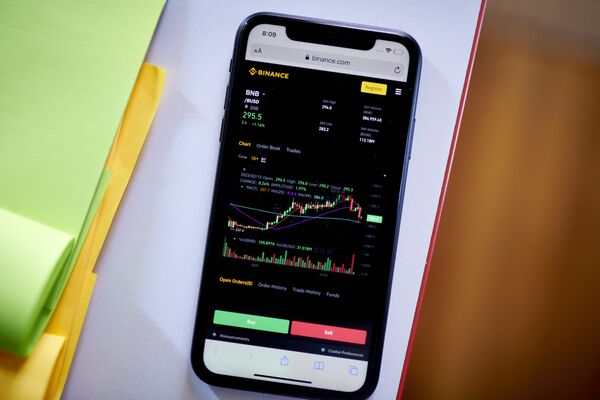
Cryptocurrency exchange Binance is engaged in formal discussions with Malaysian financial regulators regarding a licensed business model in the country, marking a potential return to a market where authorities have blocked its platforms for more than five years.
A spokesperson for the company stated that representatives have been jointly engaging the Securities Commission Malaysia and Bank Negara Malaysia over a ten-month period to explore a compliant pathway for offering products and services locally. While talks center on the viability and structural framework of a licensed operation, the exchange declined to specify which particular license category it is pursuing.
Securities regulators previously cracked down on the platform in July 2021, issuing orders to halt operations after determining that the exchange was illegally running a digital asset platform within the country. Those enforcement measures required the cessation of all marketing activities and restricted local investors from accessing the company’s communication channels. Although regulators briefly removed Binance from an official Investor Alert List in 2024, the exchange was reinstated to the warning list earlier in the month without an accompanying explanation from authorities.
The discussions unfold as the platform navigates scrutiny surrounding a recent security breach involving up to $6.3 billion, which represents the largest known cryptocurrency hack to date. The exchange temporarily suspended withdrawals following the incident and committed to covering all user losses, even as the event fueled broader industry anxieties regarding automated and AI-driven cyber threats.
Simultaneously, Malaysian lawmaker Lim Guan Eng addressed the Securities Commission in September, requesting an investigation into whether the exchange’s peer-to-peer network was facilitating unauthorized ringgit transactions via advertisements listed under alternative currency denominations. The lawmaker’s office publicized the correspondence following the recent security compromise.
In response, the exchange clarified that it had previously disabled a Papua New Guinea kina marketplace on its peer-to-peer platform that had been unofficially pegged to the ringgit, citing ongoing cooperation with domestic regulators. The company described the lawmaker’s recent complaint as stemming from an isolated advertisement posted by a non-Malaysian user on a Romanian leu marketplace, maintaining that no other platform offerings act as substitutes for the ringgit.
“No platform, business or control mechanism can fully prevent bad actors determined to circumvent the rules of a marketplace,” the Binance spokesperson stated regarding the peer-to-peer inquiry. “We take this seriously, but we do not believe an isolated case like this reflects any sustained effort to circumvent Malaysian law.”
The exchange emphasized its ongoing commitment to collaborating with national regulators to bring its offerings to local users in strict compliance with domestic legal frameworks.