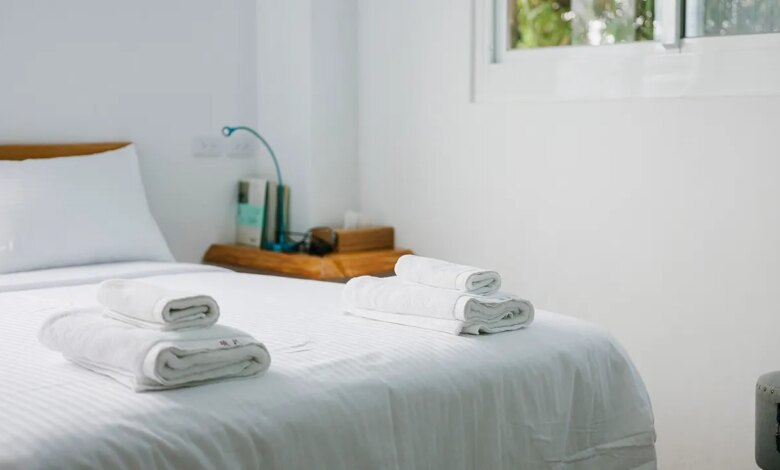
Airbnb is overhauling its platform policies to eliminate the controversial “chore list” that has long frustrated travelers. The vacation rental giant announced a series of new house rules this week that explicitly bar hosts from requiring guests to perform time-consuming cleaning tasks before they check out.
The new policy, which applies to all reservations booked on or after November 20, 2026, aims to draw a clear line between reasonable tidying and the labor-intensive work typically handled by professional cleaners. Under these updated guidelines, hosts are no longer allowed to require guests to strip beds, wash and put away dishes, or start a load of laundry before their departure.
Airbnb’s decision comes as the company seeks to maintain its appeal with cost-conscious travelers, particularly those in Gen Z. Internal data suggests these travelers are increasingly cutting back on everyday expenses like dining and personal care to afford trips, and the company is responding by prioritizing a more seamless, professionalized stay.
While the crackdown on chores is significant, it does not absolve guests of all responsibility. Airbnb clarified that hosts may still ask guests to perform minor tasks that help maintain the property’s general order. Permissible requests include asking guests to leave used dishes in the sink rather than on tables, gathering towels in a central location, and separating trash and recycling into designated indoor bins.

The company is also targeting the issue of “surprise” chores—tasks that are not disclosed in the original listing but are sprung on guests via signs inside the home, private messages, or in-person instructions. Moving forward, all house rules and checkout requests must be clearly stated in the designated section of the property listing at the time of booking. Hosts are prohibited from adding new requirements after a guest has reserved the space.
Airbnb has acknowledged that local conditions may necessitate some flexibility. Exceptions will be considered for properties in specific environments, such as “bear country,” where hosts can still require guests to secure garbage in animal-proof outdoor containers. Similarly, in regions experiencing severe drought-related water restrictions, hosts may be allowed to set reasonable limits on shower time.

To ensure compliance, Airbnb has established a multi-tiered enforcement system. The platform will flag requests that violate the new policy and provide hosts with email guidance on how to rectify their listings. While hosts have the right to appeal these flags, persistent violations could lead to more serious consequences. Unresolved issues may result in a formal notice being placed on a listing to alert potential guests, or a reduction in the property’s visibility in search results.
In addition to the cleaning rules, Airbnb has consolidated its standard house rules into seven distinct categories: overnight guest limits, quiet hours, events, pets, smoking, commercial photography, and locking up at checkout. While guests are expected to comply with these standard rules, hosts retain the right to contact the company for assistance. If a guest violates a house rule during their stay, or states before arrival that they intend to do so, hosts may cancel the reservation without incurring fees or other penalties.
By formalizing these boundaries, Airbnb aims to reduce friction between property owners and renters, ensuring that the final moments of a vacation are not defined by household labor.