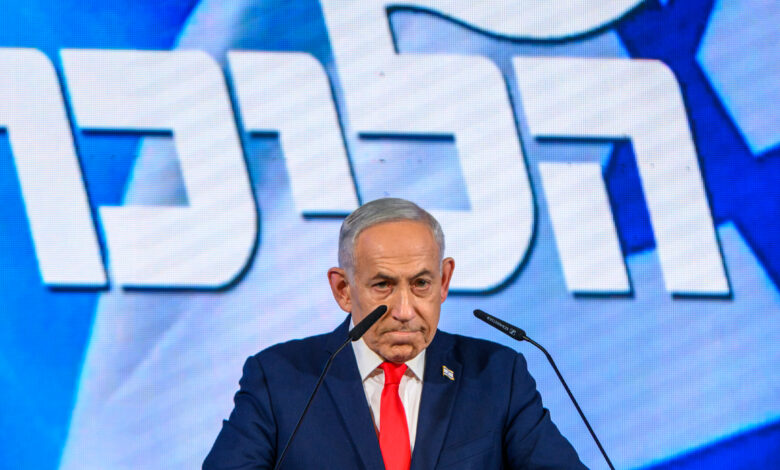
Washington found itself grappling with a familiar sense of political frustration this week as Israel’s legislative elections ended in a deadlock, dashing hopes across the U.S. political spectrum for a swift reset in bilateral ties. As partial vote counts emerged, neither Prime Minister Benjamin Netanyahu’s Likud party nor the opposition bloc led by Yashar party leader Gadi Eisenkot secured a majority in the 120-seat parliament. The resulting stalemate opens a potentially protracted period of coalition negotiations, leaving Netanyahu firmly at the helm as the United States approaches its midterm elections and casting uncertainty over the trajectory of U.S.-Israel relations.
For many officials and observers in the American capital, the outcome reinforced a sentiment described by insiders as “Netanyahu fatigue.” Years of friction across party lines during Netanyahu’s extensive tenure have left factions in both major U.S. parties eager for a shift in leadership. Supporters of change had hoped an opposition victory might usher in a less provocative governing style. A former Trump administration official noted that a transition could have offered an opportunity to “stop the bleeding,” speaking on condition of anonymity to discuss sensitive diplomatic dynamics.
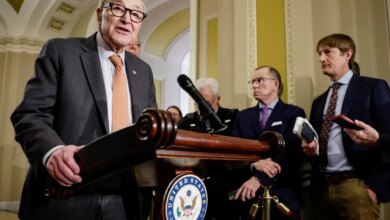
Despite vociferous backing from President Donald Trump—who reiterated his endorsement, asserting it helped Netanyahu avoid an outright defeat—criticism of the Israeli leader spans a diverse American coalition. Moderate and progressive Democrats, key administration figures like Vice President JD Vance, and segments of the conservative base critical of foreign interventions have all voiced discontent. Sen. Chris Murphy argued at a Middle East Institute event that Netanyahu remains a primary impediment to American efforts to disengage from conflicts involving Iran, warning that a reelected Netanyahu would continue pressing for regime change in Tehran.
Conversely, Netanyahu retains vocal defenders in Congress, including Senate Commerce Chair Ted Cruz and Sen. John Fetterman. While Trump stood by his decision to endorse the incumbent leader—citing both personal rapport and tactical continuity—he has also frequently expressed past frustrations with Netanyahu. Matthew Bartlett, a former State Department official in the first Trump administration, characterized the Republican stance as split, pointing to a dichotomy between Trump’s private grievances and his administration’s alignment on kinetic strikes.
Another former White House official suggested that Republican supporters of Israel might view a unity government as a viable compromise to sideline hardline cabinet members such as Finance Minister Bezalel Smotrich and National Security Minister Itamar Ben-Gvir. Both ministers have drawn intense scrutiny for policies accelerating West Bank settlement construction, enforcing harsh prison conditions, and advocating the voluntary emigration of Palestinians from Gaza. Reports indicate Netanyahu previously floated a unity government concept to the White House, though Eisenkot publicly dismissed the suggestion.
The political paralysis carries immediate implications for U.S. domestic politics and regional stability. With neither bloc securing a governing majority, coalition talks could elevate the role of Arab-led parties, which are projected to secure a record 19 seats, though major blocs have historically resisted formal partnerships with them. Meanwhile, policy analysts warn that the domestic political limbo could drive high-stakes maneuvers; Shira Efron of the RAND Corporation suggested Netanyahu might escalate military actions against Iran to complicate coalition formation or compel a unity government. As factions maneuver for power, U.S. lawmakers and international observers remain locked in anticipation over how the prolonged uncertainty will reshape Middle Eastern diplomacy.