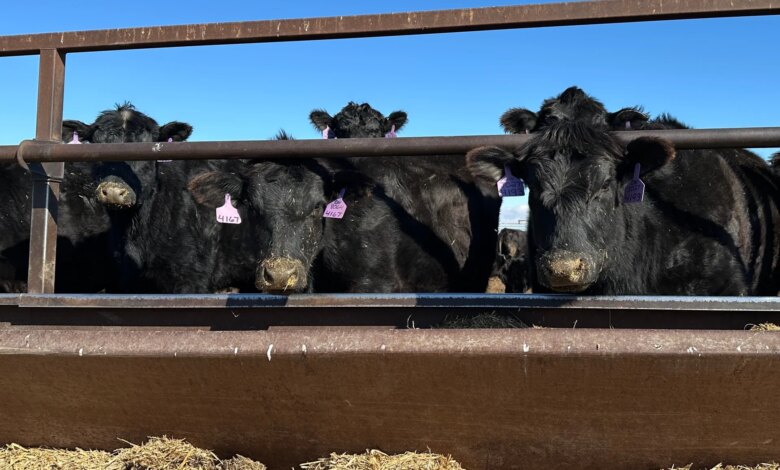
In late August, United States President Donald Trump announced a 90-day pause on certain beef tariffs, lowering import costs particularly for Brazilian beef. The policy shift was framed as an effort to bring down consumer prices, but it landed as a significant betrayal for many American ranchers who were preparing to take their cattle to market. The immediate impact on the ground was sharp, as prices at cattle auctions plummeted and temporarily reduced ranchers’ profits. Major industry organizations, including the United States Cattlemen’s Association, the National Cattlemen’s Beef Association, and the Farm Bureau, opposed the decision, while rural Republican members of Congress distanced themselves from the move.
Chad Basinger, a rancher in Pretty Prairie, Kansas, noted that while some producers feel let down and have voiced frustration about potential shifts in midterm voting behavior, the broader political impact remains uncertain. Ranchers are weighing the administration’s actions against other developments, such as $8 billion in farm relief announced in Kansas on October 19. Although Basinger’s congressional district in Kansas is expected to remain safely Republican, the state faces an unexpectedly tight Senate race, and ranchers in potential swing districts across Montana, Iowa, Texas, and Colorado may find themselves closer to the political fray. However, ranchers and farmers represent a shrinking percentage of rural voters and a smaller voting bloc in practice than in public perception.
The policy change added to an already volatile market environment shaped by previous trade decisions. Last year, the administration placed a 50 percent tariff on Brazil, a key trade partner that supplies lean beef frequently mixed with fatty US beef to make hamburger patties. In February, Trump allowed more tariff-free beef imports from Argentina, followed by similar allowances for Brazil and Paraguay in August. These shifts triggered swift price swings in cattle futures markets. Additional market disruptions included meatpacker plant closures, labor shortages late last month related to Immigration and Customs Enforcement actions at a Kansas packing plant—the second-largest in the country—and the reopening of the southern border following a closure caused by New World screwworm disease.
David Anderson, an agricultural economist at Texas A&M University who advises ranchers, explained that high prices this year should have encouraged producers to invest in the future and expand their herds, but cheaper imports worked directly against that market signal. Underlying fundamentals like long-term drought cycles driven by warming temperatures and increased evaporation remain the primary drivers behind the shrinking US cattle herd, which is near its lowest size since 1951. Observers have expressed concern that ongoing uncertainty over tariffs, fuel prices, and weather conditions may cause the rancher population to contract further, particularly as older producers eye retirement and the next generation weighs the financial realities of the work.
Despite record-high cattle prices driven by low domestic supplies, high operational costs ate into profit margins this year. Ranchers faced steep interest rates on loans, increased expenses for fuel and fertilizer resulting from the war with Iran, and higher feed costs due to widespread drought across American ranchland. In states such as Kansas and Nebraska, producers also dealt with destructive wildfires that required aid groups like Farm Rescue to coordinate hay donations. While cow-calf operators generally performed well enough to make necessary repairs and farm upgrades, rangeland has grown increasingly expensive, with outside investors frequently outbidding ranchers for available property. Consequently, despite hopes that 2026 would mark a turnaround, agricultural experts report little evidence of domestic herd expansion.