From Wall Street to Chicken Wings: How Atomic Wings CEO Zak Omar Built a Growing Empire Through Failure

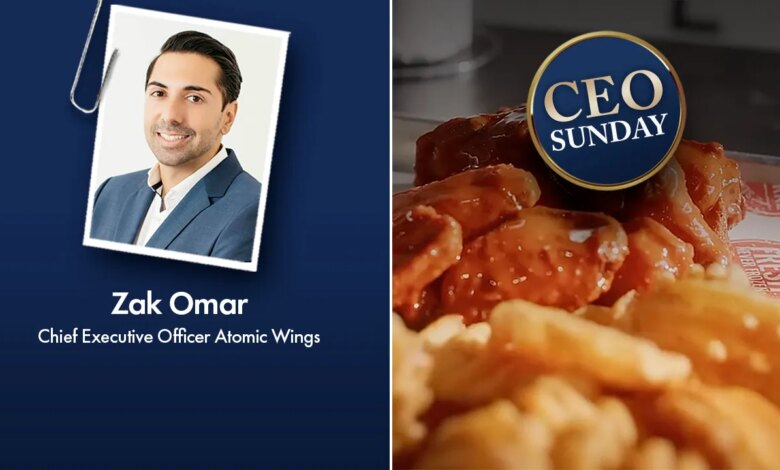
For Zak Omar, the CEO of Atomic Wings, the path to leading a multi-state restaurant franchise was not paved with immediate victories, but with a deliberate habit of analyzing mistakes. Every Sunday, Omar engages in a ritual of self-confrontation, reviewing the week’s operations to identify not just what went right, but where the company fell short. This focus on failure, he says, is the primary driver behind the brand’s expansion from its New York roots to 35 current locations, with a target of reaching 40 by the end of this year.
Omar’s leadership philosophy is rooted in the belief that true growth requires a constant re-evaluation of performance. While he acknowledges the importance of celebrating wins, he spends the bulk of his energy on identifying ways to improve the fast-casual chain, which is primarily known for its chicken wings and tenders. He maintains that learning from failures is a prerequisite for future success, a lesson he learned long before he ever stepped into a corporate boardroom.
His connection to the food industry began on the streets of New York City. As the son of an Afghan refugee who operated a chicken truck, Omar spent much of his childhood helping his father. He recalls early culinary experiments, such as mixing barbecue sauce, ketchup, and mayonnaise with leftovers from the truck to create new flavors. These formative years instilled a specific perspective on what it means to run a restaurant, one that differentiates between the product and the experience.
Despite this early exposure to the family business, Omar initially pursued a career in technology and finance. After graduating from college, he worked on Wall Street in an IT capacity. However, his life took a drastic turn when he was diagnosed with leukemia. Simultaneously, his father was hospitalized with a brain tumor. The dual health crises forced a re-evaluation of his career path. Following his recovery, Omar decided against returning to the corporate world of finance, choosing instead to honor his father’s legacy by acquiring Atomic Wings.
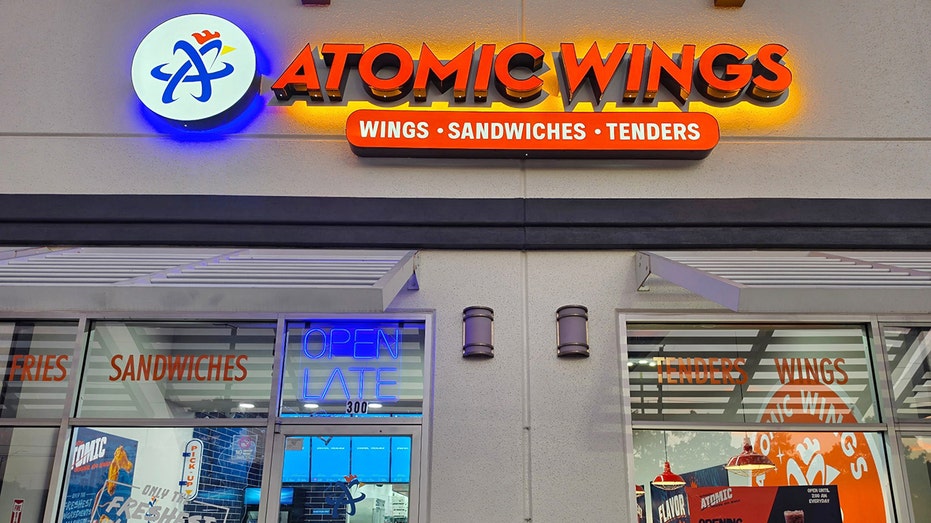
Under his leadership, Atomic Wings has shifted its focus from merely selling food to prioritizing the customer experience. Omar frequently tells his team that they are not in the chicken business, but in the customer service business. He views every transaction as an opportunity to improve a customer’s day, an outlook that requires a direct connection to the front lines of the operation.
This commitment to direct engagement was recently put to the test when a long-time customer contacted Omar regarding the company’s mobile app. During a digital overhaul, a popular reward feature had inadvertently disappeared. Omar immediately intervened, working with the technology team to restore the feature. He argues that once a leader loses touch with the front-line reality of the customer experience, they lose the ability to lead effectively.
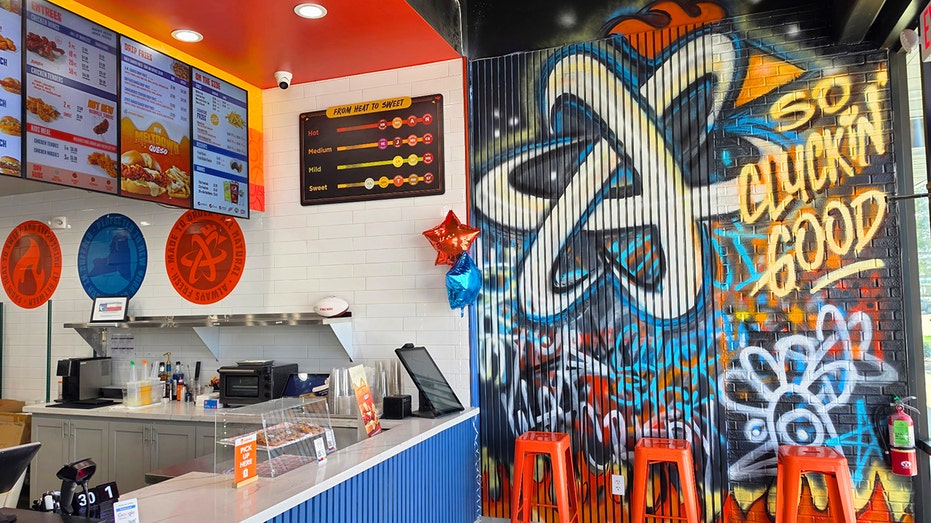
This hands-on approach extends to his relationship with franchisees. In a franchise-based model, Omar notes that the corporate office’s success is entirely dependent on the success of individual owners. He views his role as a support system, suggesting that the best career advice he ever received was to focus on helping others succeed. By prioritizing the needs of his team and his partners, he believes his own success becomes a natural byproduct.
While the title of CEO is often associated with prestige, Omar is quick to dispel misconceptions about the role. He describes the position as demanding and often selfless, requiring a leader to wear multiple hats and make difficult decisions that impact the livelihoods of employees and business partners. For Omar, the job is less about the title and more about the commitment to the work and the people who make the business possible.