The United States military has reported killing five people during a lethal strike on a suspected drug trafficking vessel operating in the eastern Pacific. The operation marks the latest escalation in a military campaign that has drawn sustained condemnation from human rights organizations and legal scholars who characterize the actions as extrajudicial killings.
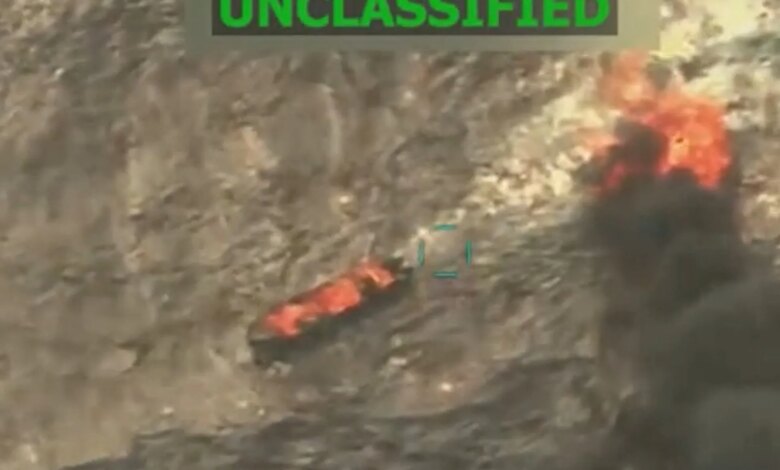
According to the U.S. Southern Command (SOUTHCOM), which directs military operations across Latin America and the Caribbean, the operation took place on October 27. Joint Task Force Western Hemisphere carried out the strike against what authorities described as a fast-moving vessel navigating established narcotics routes in the region.
SOUTHCOM stated that confirmed intelligence indicated the boat was actively involved in drug smuggling operations, labeling the individuals killed as narco-terrorists. The command frequently releases social media announcements accompanied by footage purporting to show targeted vessels being struck.
Independent tracking paints a broader picture of the ongoing campaign. Data compiled by the Washington Office on Latin America (WOLA), a human rights and democracy research organization based in the United States, indicates that the Trump administration had previously killed at least 238 people across 68 reported strikes in the Caribbean and eastern Pacific since the initiative began in September 2025. Tuesday’s reported operation brings the overall death toll of the campaign to 243 individuals.
Critics and legal experts have repeatedly challenged the legal framework underpinning the strikes. While the administration has designated several Latin American criminal syndicates as foreign terrorist organizations, legal scholars argue that drug trafficking remains a criminal enterprise that does not legally justify lethal military interventions.
Furthermore, transparency surrounding the operations has been a central point of contention. The federal government has rarely provided detailed evidence to substantiate its assertions that targeted individuals are actively participating in narcotics trafficking. In contrast, family members of some victims have maintained that their relatives were ordinary fishermen or laborers with no ties to the illicit drug trade.
Analysts closely monitoring the campaign note that while the frequency of the operations has slowed compared to earlier phases, the military continues to execute strikes at regular intervals. Researchers point out that the ongoing actions have proceeded without producing a noticeable disruption to broader drug trade volumes, even as political scrutiny persists over the legality and humanitarian impact of the initiative.