Gulf economies as a whole are projected to shrink by 4.8% this year, a downturn that nearly matches the economic shock inflicted by the COVID-19 pandemic. The ongoing conflict has taken a heavy toll across the region, causing non-oil output to recede in four separate countries.
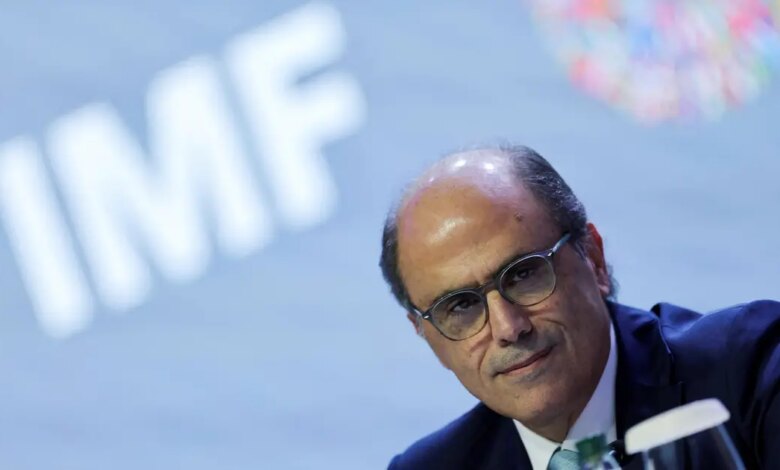
Jihad Azour, director of the International Monetary Fund’s Middle East and Central Asia Department, outlined the extensive damage during a press briefing in Dubai. The conflict has severely disrupted energy production, shipping, tourism, trade, and overall market confidence across the region.
Despite the current contraction, non-oil activity—a vital performance metric closely monitored by regional businesses—is expected to rebound to 4.5% growth in 2027, provided the conflict is successfully resolved.
The broader economic strain is also eroding financial buffers. The region’s current-account surplus is anticipated to narrow sharply to 1.3% of gross domestic product, down from 5% last year. Meanwhile, the combined fiscal deficit is projected to widen to 2.3% of GDP, up from 0.8%.
Amid the widespread downturn, Oman stands out as a rare outlier. The country implemented key economic reforms prior to the outbreak of the war, leaving it relatively unscathed by the ongoing turmoil.
Conversely, Bahrain has emerged as the worst-hit nation. The smallest Gulf oil exporter, which has historically depended on its neighbors for economic support, is facing acute financial pressure. With national debt levels exceeding 150% of GDP and foreign reserves plunging by 50% since March, the kingdom is reportedly engaged in talks to secure a cash infusion led by the United Arab Emirates.