Negotiations between the United States and Canada over a sweeping trade agreement are facing conflicting narratives, with high-ranking White House officials projecting an imminent resolution while negotiators on the ground suggest that a final deal remains elusive. The discrepancy highlights a gap between the public optimism of the Trump administration and the diplomatic caution maintained by the Canadian government.
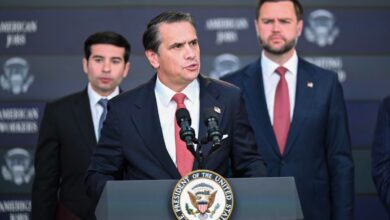
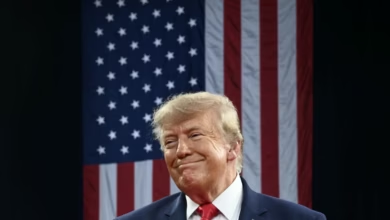
On Sunday, National Economic Council Director Kevin Hassett signaled that the two nations were on the verge of a breakthrough. Hassett stated that negotiators were “very close” to finalizing an agreement intended to roll back the current cycle of tit-for-tat tariffs that have impacted a wide range of goods moving across the border. President Donald Trump reinforced this sentiment, suggesting that Canada is “working very hard” to secure a deal. The President further characterized the power dynamic of the talks by asserting that the United States currently holds “all the cards.”
However, the portrayal of a nearly finished deal is being challenged by those closer to the actual discussions. A person familiar with the status of the negotiations indicated that the assessment of an immediate breakthrough may be premature. This source noted that while discussions are ongoing, a final agreement is only a possibility if specific positions currently held by the parties involved undergo a shift. This suggests that substantive disagreements on key policy points or tariff structures have yet to be resolved.
The Canadian government has also adopted a more measured tone compared to its American counterparts. A spokesperson for Canadian Trade Minister Dominic LeBlanc confirmed that Canada remains involved in what they described as a “constructive dialogue” with U.S. officials. The spokesperson emphasized that the Canadian delegation is focused on a range of priorities and is prepared to work in good faith, but only toward a relationship that “respects Canada’s interests.”
This emphasis on Canadian interests suggests that Ottawa is not yet ready to concede to the terms currently on the table, despite the pressure of existing tariffs. The current trade friction, characterized by reciprocal levies on various products, has created economic tension for industries on both sides of the border. While the White House appears eager to present the negotiations as nearing a successful conclusion, the lack of a joint statement or a confirmed timeline for signing indicates that the “constructive dialogue” mentioned by Minister LeBlanc’s office still has ground to cover.