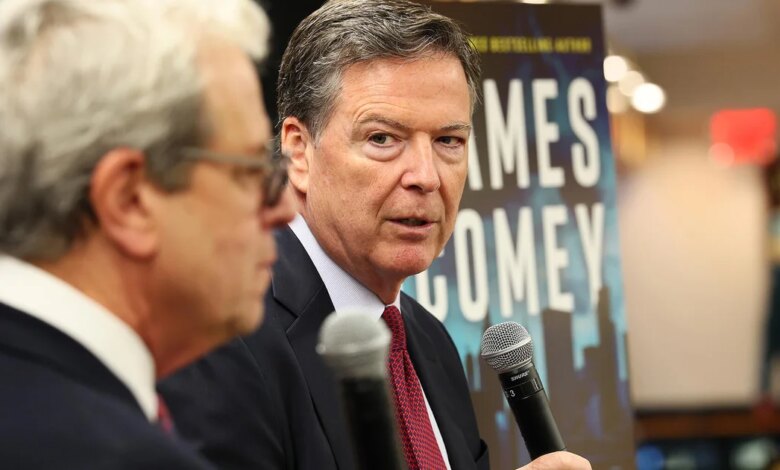
The U.S. Department of Justice has initiated proceedings to charge former FBI Director James Comey with two counts of violating the Espionage Act, according to court records made public this week. The move, which took place earlier this month, represents the third attempt by federal authorities to bring criminal charges against Comey, who has remained a prominent figure of legal and political controversy since his dismissal from the bureau.
Prosecutors are seeking to charge the former director with the unauthorized transmission of national defense information to a person not entitled to receive it. While the specific documents or information at the heart of the case have not been publicly detailed, the reliance on the Espionage Act indicates that the government’s investigation focuses on the alleged leaking of sensitive materials.
In a departure from standard felony procedures, Comey has not yet been indicted by a grand jury or formally charged through a criminal complaint. Instead, the Justice Department filed what is known as an “information.” This type of charging document is frequently used in cases where a defendant intends to plead guilty or waive their right to a grand jury indictment.
However, in this specific instance, a Justice Department spokesperson explained that the information was filed as a procedural measure to preserve the statute of limitations before it expired. By filing the document now, the government ensures that the window for prosecution remains open while the broader investigation continues. The spokesperson confirmed that the matter remains an “ongoing criminal investigation” and stated that the department would not offer further comment at this time.
Patrick Fitzgerald, the attorney representing Comey, addressed the filing by stating that his client “steadfastly maintains his innocence.” This latest legal development follows years of friction between the former director and federal investigators, marking what the records describe as the third concerted effort to secure criminal charges against him.
The case remains in a preliminary phase, and it is currently unclear if or when the Justice Department will seek a formal indictment from a grand jury. Under federal law, the government generally cannot proceed to trial on felony charges via an information unless the defendant specifically consents to the process. As the investigation remains active, the court records serve as a placeholder for a case that has yet to reach a definitive adjudication.