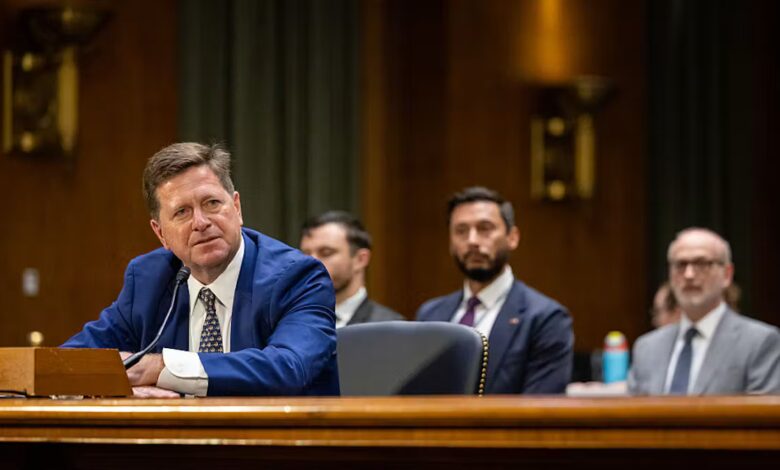
Director of National Intelligence Jay Clayton warned Secretary of State Marco Rubio that Iranian efforts to target American personnel abroad have intensified significantly, stating that lethal plots against U.S. citizens have reached advanced stages. In an unclassified memo that also copied CIA Director John Ratcliffe, Clayton wrote that intelligence indicates Iran has substantially increased its targeting operations in both the Middle East and certain other countries.
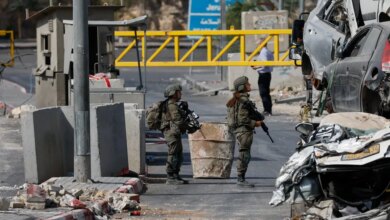
The intelligence warning coincided with operational changes across multiple diplomatic posts in the region. The State Department reduced staffing at U.S. embassies in Jordan, Lebanon, Qatar, and the United Arab Emirates. These four missions remain open under restricted operations status, meaning personnel at those locations were not subjected to mandatory departure orders.
Separately, the department ordered non-emergency government employees and all family members to leave Saudi Arabia amid escalating threats from Yemen’s Iran-backed Houthi militants. U.S. officials indicated that both the active Iranian plotting and the Houthi threat environment informed the broader drawdown decisions, although initial public announcements from the State Department had highlighted Houthi threats without directly naming the Iranian plots.
Clayton stated that intelligence regarding the threats was relevant to personnel beyond those currently cleared to receive it, adding that the intelligence community would work to downgrade sensitive information to share it more widely with vulnerable staff. The memo did not publicly identify specific target locations or state whether an attack was imminent.
The diplomatic drawdowns unfolded against a backdrop of ongoing regional military engagements. The Saudi-led coalition reported intercepting two ballistic missiles aimed at Taif and Yanbu, while the Houthi movement claimed attacks against Saudi oil facilities, airports, and military sites. Saudi authorities did not confirm that all of the reported targets had sustained impacts.
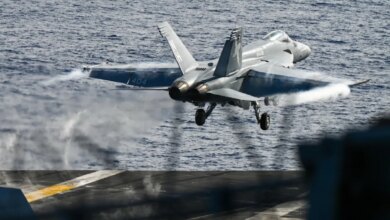
Meanwhile, the broader political and military standoff between Washington and Tehran persists. President Trump recently paused new military strikes against Iran but warned of potential future action if negotiations fail, telling supporters at a rally in Fort Myers, Florida, that the administration could launch another military campaign or reach a deal if Tehran chooses to negotiate. The United States continues to enforce a naval blockade on Iranian trade as formal talks remain stalled.
Tehran has responded through both diplomatic channels and warnings regarding strategic shipping lanes. Iranian Foreign Minister Abbas Araghchi cautioned in a published op-ed that further escalation threatens regional stability, civilians, and the global economy. Additionally, Iran’s ambassador to Pakistan, Reza Amir Moghadam, stated that Tehran remains open to negotiations under an interim agreement brokered by Pakistan in June. According to Moghadam, Iran recently proposed reopening the Strait of Hormuz through Pakistani intermediaries in exchange for Washington lifting its naval blockade, an offer he said the Trump administration rejected.