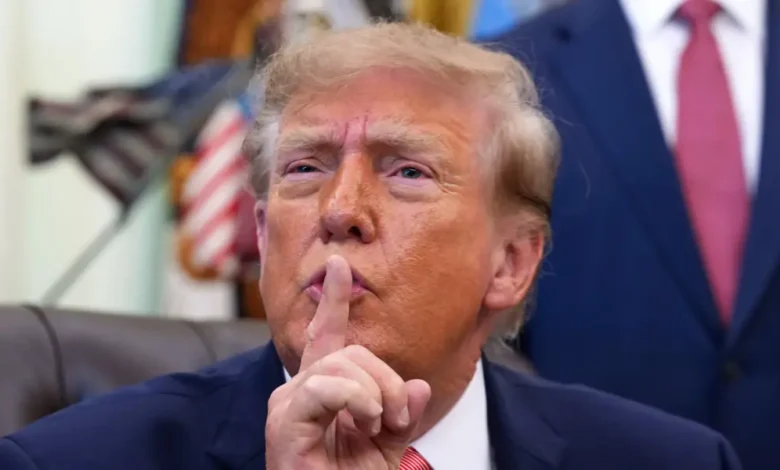
President Donald Trump acknowledged on Saturday that domestic energy companies are reaping massive financial windfalls from high energy costs, telling a rally in Georgia that the domestic oil and gas industry is “making a freaking fortune.” Speaking to supporters, Trump attributed the surging revenues to temporarily high oil prices driven by disruptions in the Strait of Hormuz, which have redirected buyers toward operations based in Texas, Oklahoma, and Louisiana.
Financial data supports the assessment of industry gains. A second-quarter report from the Oil & Gas Journal indicated that surging crude prices tied to the ongoing Strait of Hormuz disruptions fueled substantial windfalls for North American oil producers. A sample of 38 U.S. producers and refiners collectively expanded their revenues by approximately $140 billion year over year, according to the trade publication.
While energy companies report robust gains, American consumers are grappling with a steep affordability crisis. Figures from AAA show that the average price for regular gasoline nationwide has climbed to $4.29 a gallon. That marks a sharp increase from February, when regular gas stood at $2.98 a gallon just one day before the United States and Israel launched surprise military strikes against Iran.
The cost of diesel has experienced an even more dramatic rise since the onset of the conflict. AAA reported that diesel prices reached $6.35 a gallon on Sunday, compared to $3.75 a gallon the day before hostilities began. Because shipping companies depend heavily on diesel to power commercial trucks and freight vessels, the elevated fuel expenses are frequently passed along to consumers through higher retail prices across the broader economy.
The administration’s acknowledgment of industry windfalls arrives less than two weeks before midterm elections, presenting a difficult political dynamic for voters confronting steep living costs. The White House did not immediately respond to a request for comment regarding the economic impact on consumers.
Anticipating the political fallout, Trump addressed the potential public criticism directly during his remarks in Georgia, noting that critics would likely focus on the stark contrast between corporate profits and consumer pain at the pump.
In an effort to address mounting pressure over high fuel costs prior to the midterms, the administration has pursued external supplies. On October 9, Trump announced an agreement with Russian President Vladimir Putin to import Russian diesel, bypassing heavy sanctions that had been imposed following Russia’s invasion of Ukraine. Energy analysts cautioned that the arrangement could offer vital economic support to Moscow as its military campaign against Ukraine continues.