Tensions across the Middle East reached a fever pitch on Monday as President Trump weighed the possibility of new military strikes against Iran, while Israeli leadership scrambled to project a unified front amid reports of a command-level rift on the eve of a high-stakes legislative election. The escalation in rhetoric comes as global oil prices remain volatile and regional powers gather in Tehran for an emergency diplomatic summit.
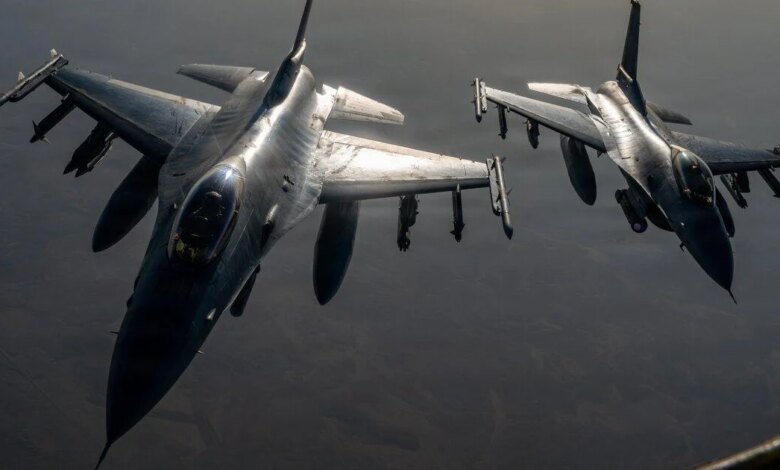
Speaking on Sunday, President Trump stated he was currently deciding between brokering a new agreement with Tehran or escalating the military campaign that began earlier this year. “I have a decision to make: Do I finish it off, which would be very easy to do, or do I make a deal? That’s all,” he said. The president also suggested that a resumption of strikes could follow next Tuesday’s midterm elections in the United States, referencing the possibility of another phase of “Epic Fury,” the joint U.S.-Israeli military operation that was launched on February 28.
While the U.S. has deployed additional forces to the region, including a third aircraft carrier strike group, the military footprint remains in a state of flux. Reports indicate that while heavy naval assets are arriving, overall American military personnel levels and diplomatic staffing in some areas are being quietly reduced.
In Israel, the political climate is equally fraught. Defense Minister Israel Katz on Monday issued a stern rejection of reports suggesting a breakdown in communication between Prime Minister Benjamin Netanyahu and army chief Eyal Zamir. Reports had surfaced on Sunday alleging a confrontation between the two over a new, unspecified military directive concerning Iran. The reports suggested Zamir had demanded legal guarantees and formal signatures from the political leadership before proceeding, amid concerns within the military that the conflict was being leveraged for political gain.
Katz dismissed these allegations as “entirely baseless and false,” characterizing them as an attempt to undermine the administration’s credibility hours before voters head to the polls. Netanyahu himself described the rumors of a rift as “rubbish” and warned that Iran and its regional proxies might attempt to launch attacks specifically designed to disrupt Tuesday’s voting process. “The IDF is prepared in both defense and offense,” Netanyahu stated. “Don’t test us. You will suffer disproportionate blows.”
Tehran has responded with a posture of calculated indifference toward the Israeli political cycle. Iranian Foreign Ministry spokesperson Esmaeil Baqaei stated Monday that the outcome of the election would make “no difference” to Iran’s strategic direction. Foreign Minister Abbas Araghchi echoed this sentiment, noting that Iran is already planning for a “post-war period” and that its policies would remain unchanged regardless of whether the U.S. or Israel resumes strikes.
Despite the belligerent rhetoric, a parallel track of diplomacy is unfolding in the Iranian capital. On Monday, senior officials from Saudi Arabia, Turkey, and Pakistan arrived in Tehran for security talks. The high-level delegation includes Saudi Defense Minister Khalid bin Salman, Pakistani army chief General Asim Munir, and Turkish intelligence chief Ibrahim Kalin. These talks, hosted by Ali Bagheri Kani of Iran’s Supreme National Security Council, represent an attempt to de-escalate regional hostilities through mediation efforts supported by Qatar and Pakistan.
However, the fragility of regional security was underscored by a renewed exchange of fire between the Saudi-led coalition and Houthi rebels in Yemen. On Monday, the coalition reported that its air defenses intercepted a ballistic missile fired toward Riyadh. The attack targeted the capital’s international airport just hours after it had reopened following a two-week closure caused by previous strikes. While Houthi military spokesperson Yahya Saree claimed the group successfully hit the airport and several oil pumping stations with drones, coalition officials said they destroyed the incoming missile and targeted two launchers in Sanaa. The persistent threat to Saudi infrastructure has already had significant economic consequences, including the postponement of the kingdom’s major international investment conference until 2027.
These military and political developments continue to weigh heavily on the energy markets. Brent crude oil prices hovered around $115 a barrel on Monday morning. Though prices saw a marginal drop following a late-week surge, traders remain wary of supply disruptions as the northern hemisphere enters the winter months. Iranian officials maintained that while they are prepared for further conflict, the “window of diplomacy” remains open, with messages still being exchanged with Washington through intermediaries.