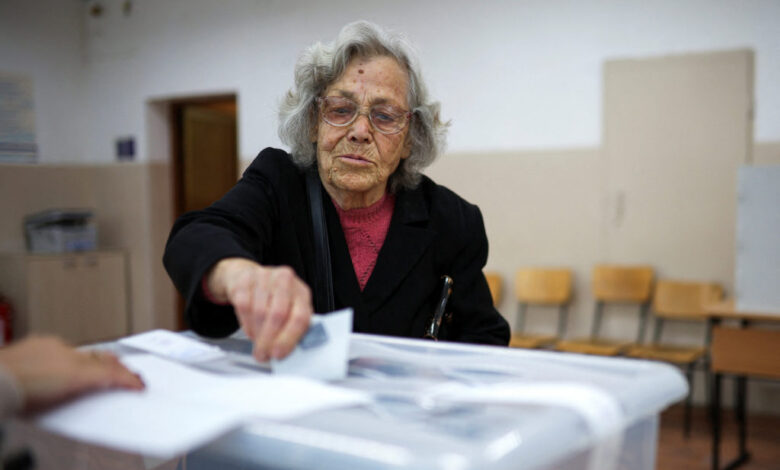
Bulgaria’s presidential election concluded inconclusively on Sunday, setting the stage for a high-stakes runoff vote on November 1 between incumbent leader Iliana Yotova and pro-Western reformist challenger Andrey Gyurov. Election officials confirmed that the contest failed to yield an outright winner from the field of 27 candidates, driven by a record low voter participation rate stemming from widespread voter apathy and public mistrust in political figures.
The upcoming runoff presents voters with a starkly polarized choice concerning the European Union and NATO member state’s foreign policy orientation and international alliances. The vote serves as the first major political test for Prime Minister Rumen Radev’s Moscow-friendly Progressive Bulgaria party following its legislative victory in April. The campaign unfolded against a complex backdrop of economic pressure, including rising inflation and soaring energy costs that have severely strained household budgets, particularly in rural regions.
Security concerns also dominated the electoral landscape, fueled by the ongoing war in Ukraine and recent drone attacks on commercial shipping vessels navigating the Black Sea near Bulgaria’s coastline. These maritime incidents have prompted Sofia to seek defensive assistance from international allies to bolster regional security.
Incumbent President Iliana Yotova, a 62-year-old journalist and former member of the European Parliament, entered the race as a front-runner. Yotova previously served as vice president during Radev’s two terms and assumed the presidency in January 2026 after Radev stepped down to run for parliament. Running as an independent with the backing of Progressive Bulgaria and the Socialist Party, a victory would make her Bulgaria’s first elected female president. Analysts anticipate she will maintain a steady European trajectory while advocating for improved diplomatic ties with Russia, the lifting of sanctions, and a negotiated end to the war in Ukraine.
Challenging Yotova is economist Andrei Gyurov, a former deputy governor of the central bank who served as caretaker prime minister during the early months of 2026. Backed by pro-Western opposition parties, Gyurov has firmly championed Ukraine throughout his political career, previously signing a bilateral security cooperation agreement with Kyiv during his premiership. Exit polling places Yotova leading Gyurov by three to four percentage points.
Under the Bulgarian constitution, presidents are directly elected to five-year terms and are limited to two terms. Although the office is largely ceremonial, direct election grants the holder significant political authority, including command of the armed forces, veto power over legislation, the authority to sign international treaties, and the appointment of ambassadors. A successful outcome requires a majority vote with a turnout exceeding 50% of the nation’s 6.6 million registered voters.