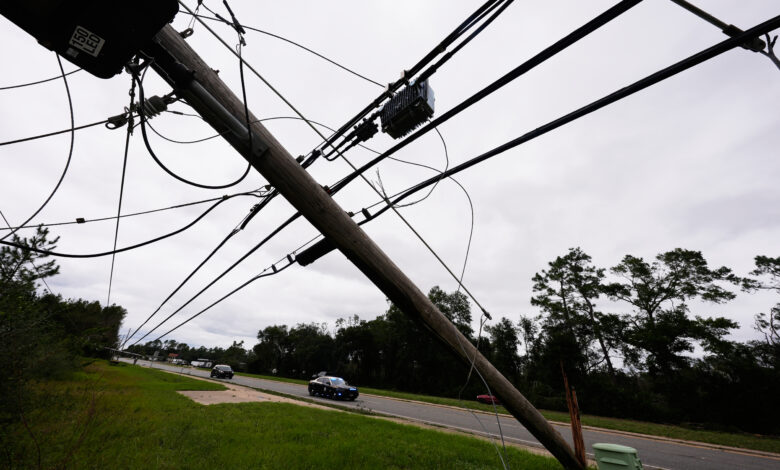
President Donald Trump approved disaster aid on Thursday afternoon for Florida residents affected by Hurricane Isaias, acting with near-record speed just days before two tight statewide elections in the Sunshine State. The administration’s decision makes households in eight counties eligible for thousands of dollars in individual assistance to cover emergency expenses such as temporary hotel lodging, supplies, and minor home repairs following the Category 2 storm that struck the Florida Panhandle on Oct. 9.
The residential aid approval followed a Tuesday announcement in which Trump approved $237 million in disaster assistance for 15 counties to handle cleanup and reconstruction costs stemming from Isaias. According to federal records, the rebuilding aid request from Republican Florida Gov. Ron DeSantis was approved in 12 days, marking one of the fastest responses of Trump’s current term for a request that was not officially expedited. Federal records show Trump has taken an average of 50 days to approve or deny disaster requests from states, territories, and tribes during his second term, exactly twice as long as the average duration during his first presidency.
The swift federal action contrasts with pending requests from six other jurisdictions submitted before the Florida governor sought assistance. Three of those delayed requests originated from tribal nations that rely heavily on federal support following natural disasters. When questioned about the timing of the Florida approvals, the White House did not address the specific scheduling but defended the process in a statement asserting that “there is no politicization to the President’s decisions on disaster relief.”
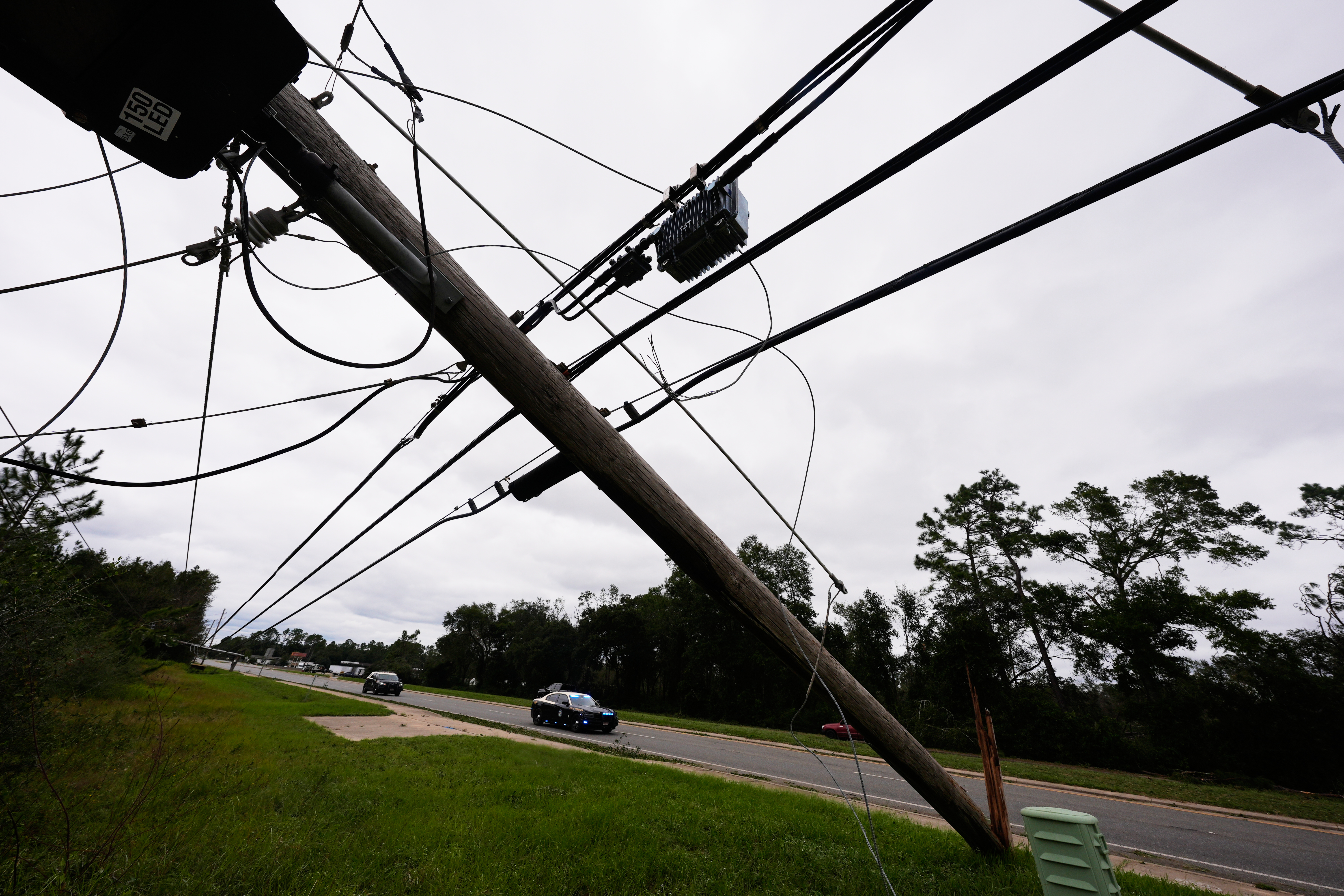
The timing has intensified political debate in Florida’s gubernatorial race, particularly within the heavily Republican Panhandle region where Hurricane Isaias made landfall. The region has emerged as a crucial battleground as Democratic candidate David Jolly attempts to narrow the traditional Republican margin. While campaigning in the Panhandle on Monday, Jolly criticized the initial pace of federal assistance, telling reporters that the administration bears responsibility for agency delays. Meanwhile, Republican candidate Rep. Byron Donalds campaigned in the area emphasizing his communication with the administration to secure rapid relief, while attributing earlier holdups to bureaucratic hurdles within the Federal Emergency Management Agency.
Florida Republican candidates immediately welcomed the funding announcements, issuing public statements the evening before the formal federal disclosure. Sen. Ashley Moody released a statement commending the administration for answering her call for an emergency declaration, while Donalds and his campaign highlighted ongoing coordination with the White House.
The rapid approvals also drew criticism from federal lawmakers. Rep. Frank Pallone of New Jersey contended that the decision reflects a political litmus test, pointing to recent instances where disaster assistance was withheld from New Democratic-led states. House Homeland Security ranking member Bennie Thompson of Mississippi labeled the accelerated Florida timeline very suspicious given that other states have awaited responses for weeks or months, and promised a congressional investigation when Democrats assume the majority next year. Jolly, reflecting on the eventual approval, adopted a pragmatic view while campaigning: “People are hurting, and I’m just glad he did it.”
The Florida approvals departed from the administration’s recent pattern of processing disaster requests in batches, which has occasionally seen as many as 14 requests decided on a single day after weeks of inactivity. Similar presidential actions have drawn scrutiny elsewhere; four weeks prior, Trump approved disaster relief for Ohio one day before a campaign visit and ahead of five older requests, and previously announced Wisconsin emergency aid on social media while endorsing the Republican congressional candidate running in that state.