When his train ground to a sudden halt, Sebastian Herrero initially assumed the disruption stemmed from a fallen overhead line—a persistent engineering nuisance that has plagued Spain’s high-speed railway infrastructure in recent years. But any immediate frustrations about schedule delays vanished instantly when the 46-year-old found himself airborne, landing face-first on the opposite seat as another locomotive slammed directly into the rear of his carriage.
Herrero was traveling on Wednesday aboard an early-morning service operated by private rail company Iryo, journeying from Madrid to Seville. Without warning, a train operated by state-owned Renfe plowed into the back of his convoy, forcing the final three carriages off the tracks and sending them careering down a raised embankment. The catastrophic collision resulted in the deaths of 69 people.
In the immediate aftermath, Herrero and fellow passengers managed to escape the wreckage by scrambling down the steep embankment and crossing a perimeter fence into an adjacent field. Turning to look back at the wreckage provided the first stark realization of the disaster’s true scale.
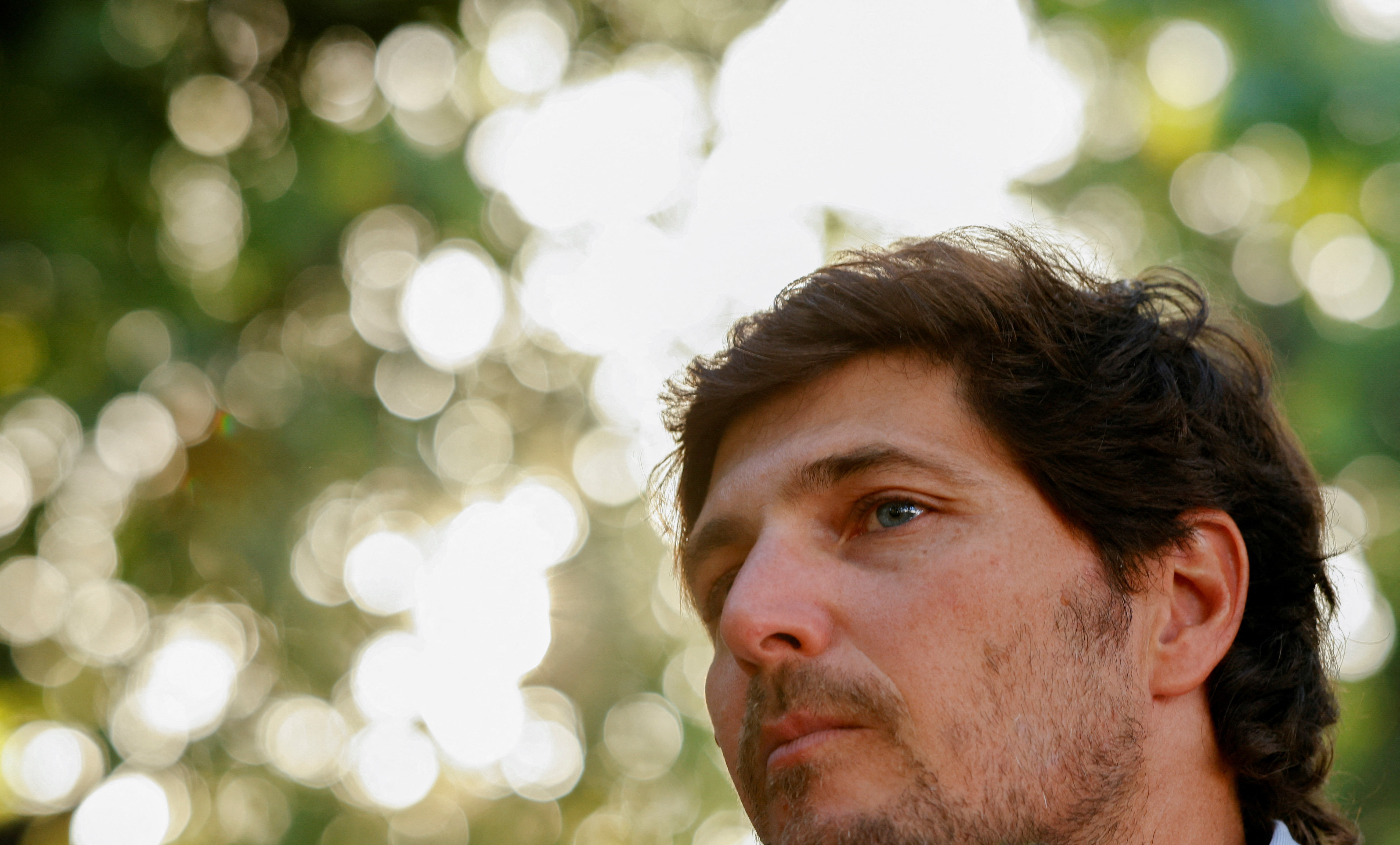
The scene was devastating, Herrero recalled during an interview in Seville, noting that some carriages were completely charred as though they had exploded. Survivors and rescuers pulled severely injured people from the wreckage and placed the bodies of the deceased near the perimeter where the survivors had gathered.
Although Herrero feels born again after escaping with his life—aided by the fact that his carriage was positioned near the front of the train—many other passengers in his section suffered serious injuries, including broken arms and noses. The tragedy is the second major high-speed rail disaster on the same line near the town of Adamuz following an earlier crash in January that also claimed dozens of lives. Both accidents involved the same rail companies and have sharply reignited national debate regarding safety standards and maintenance across Spain’s high-speed rail network, which spans Europe’s longest system and had long served as a point of national pride.
Reflecting on the risks, Herrero noted that people questioned his willingness to ride the rails again after the January tragedy near Adamuz. He explained that commuting alternatives are sparse, given that local roads are suboptimal, fuel prices remain high, and air travel is impractical for regular commuters.
For many individuals of various nationalities and backgrounds caught up in Wednesday’s disaster, the dominant sentiment was profound indignation. It is high time for whoever is responsible to take accountability, Herrero said, adding that whether through the courts, politicians, or the public, such an event is entirely unacceptable and inconceivable to repeat.