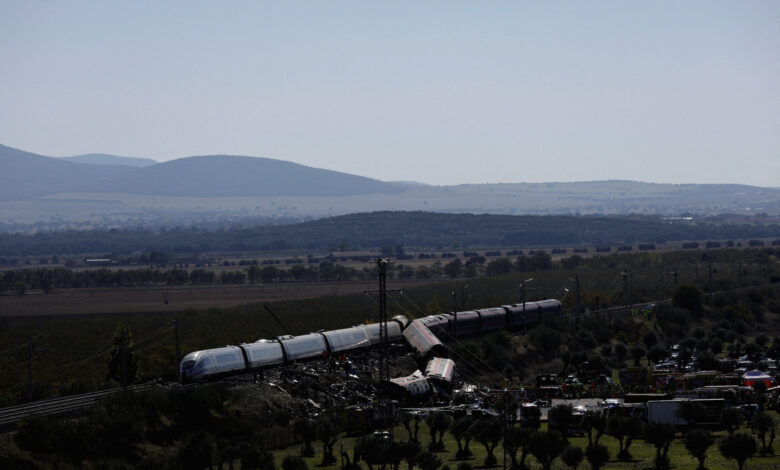
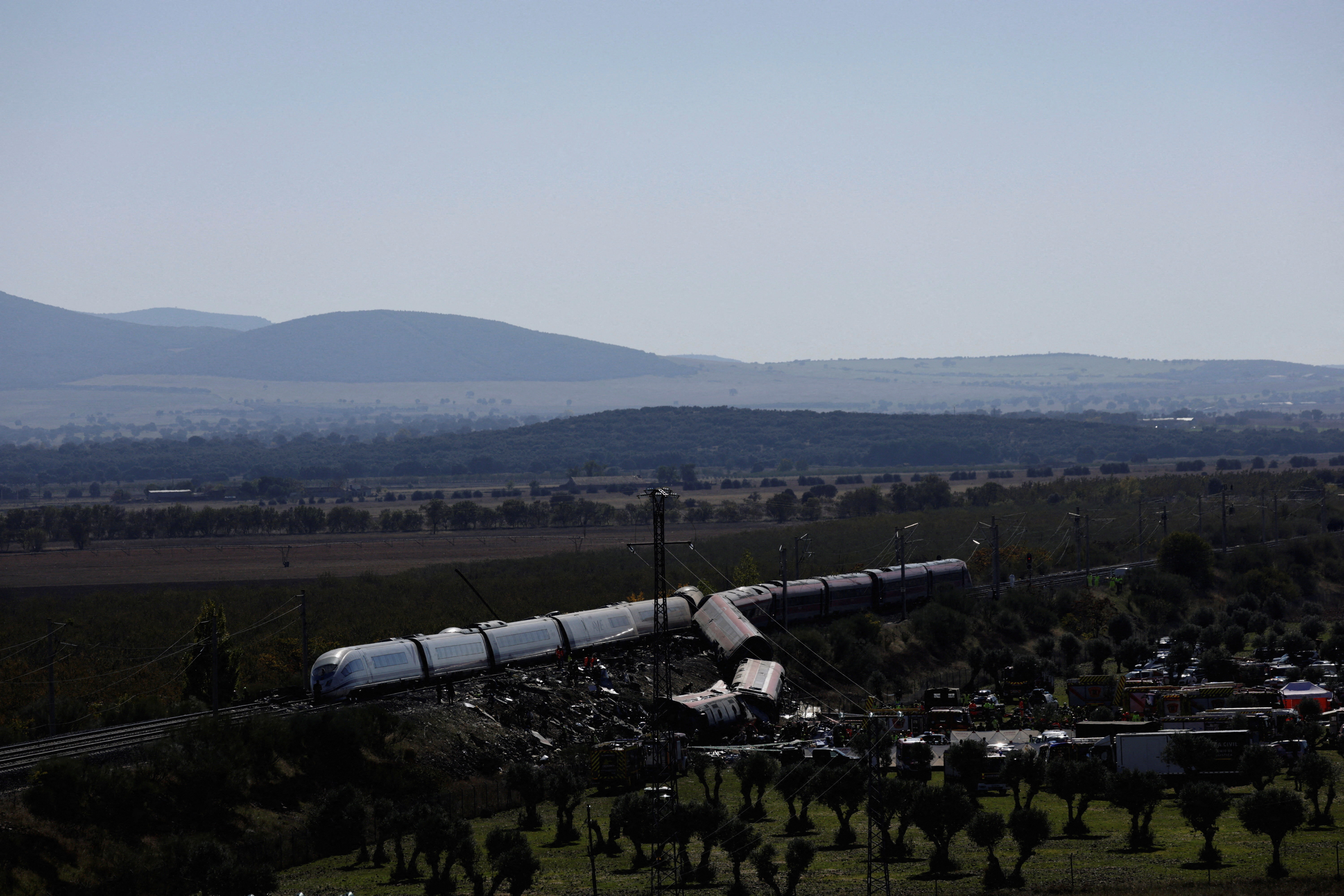
Rescue personnel continued their desperate search through mangled railway carriages on Thursday following a devastating high-speed train collision in central Spain that has claimed at least 68 lives. The disaster marks the country’s second fatal high-speed rail accident this year and stands as Europe’s deadliest train incident since a 2013 derailment in Santiago de Compostela.
Emergency workers operated through the night with the aid of heavy cranes to lift sections of the wreckage in a rural area between the towns of Mora and Orgaz, located in the central province of Toledo. Personnel were seen carrying a body wrapped in a blanket from one of the impacted trains as operations pressed forward.
Esther Padilla, a spokeswoman for the regional government of Castilla-La Mancha, emphasized the delicate nature of the ongoing recovery work in remarks to broadcaster TVE. Rescue teams are proceeding with extreme caution because officials cannot state with certainty that additional victims remain trapped within the twisted metal. A canine unit deployed on Wednesday was scheduled to return to the site to ensure no one else is left in the wreckage.
The crash occurred when one high-speed train struck another following an initial signal failure that caused multiple trains to stop automatically. Spanish Transport Minister Oscar Puente stated on Wednesday that a state-run Renfe train was subsequently authorized to proceed at normal speed even though a stationary Iryo-operated train remained on the tracks ahead.
The tragedy has reignited national debate concerning safety across Spain’s railway network, which spans the longest distance in Europe and has historically been a point of domestic pride. The accident also follows an earlier fatal collision in January involving the same rail companies operating on the same line.
In response to the disaster, the Spanish government declared three days of national mourning. Prime Minister Pedro Sanchez planned to travel to Toledo on Thursday morning to participate in a coordination meeting monitoring the emergency response. Simultaneously, Alberto Nuñez Feijoo, leader of the centre-right People’s Party and currently leading in opinion polls, scheduled a visit to the nearby town of Urda.
The catastrophe also disrupted political campaigning ahead of a November 29 snap election, prompting the leaders of Spain’s two main political parties to suspend their scheduled events.
Meanwhile, Spanish train drivers proceeded with a previously scheduled strike aimed at demanding increased investment in railway safety. SEMAF, the Spanish train drivers’ union, released a statement late Wednesday indicating it would not speculate on the cause of the disaster and wished to exercise caution until a detailed understanding of the event emerged. The union confirmed that the walkout would go forward while it weighs potential further actions.