South Korean Researchers Develop Front-Grille System to Capture Brake Dust and Reduce Road Pollution

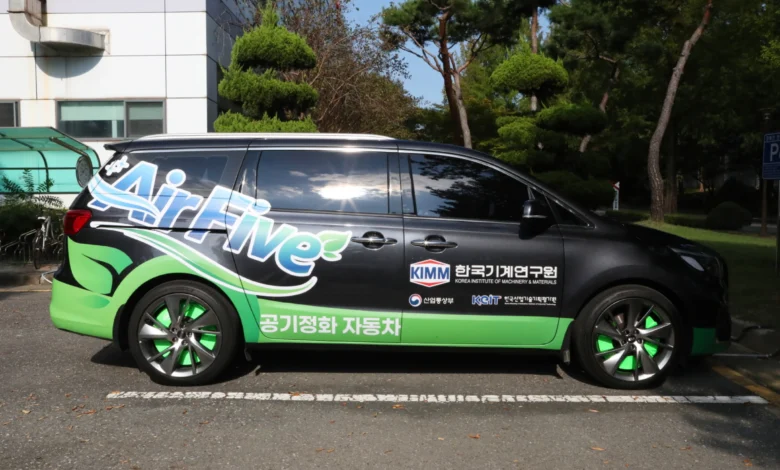
As internal combustion engine tailpipe emissions continue to decline, non-exhaust particulate matter stemming from tire wear, road surface erosion, and braking systems is emerging as a significant contributor to urban air pollution. Fine particles generated by friction between brake pads and brake discs are not only difficult to avoid during standard driving operations, but turbulent airflow created by moving vehicles can easily scatter these pollutants into the surrounding environment.
To address this challenge, a research team in South Korea has developed a novel air purification system designed for integration directly into the front-end intake grille area of automobiles. Rather than relying on power-intensive, large-scale electric fans typical of stationary air purification units, this new engineering approach harnesses the natural airflow generated by the motion of the vehicle itself. This passive dynamic directs air containing airborne particles into an internal filtration module, allowing the system to operate continuously under low energy consumption conditions.
The core of the device consists of a high-performance filtration material engineered to capture fine particulates effectively from the air stream. The research team noted that the system continuously filters air directly in front of the vehicle as it travels, trapping the collected particles securely within a replaceable filter element. These accumulated pollutants can then be handled collectively during routine vehicle maintenance and servicing schedules.
Beyond basic filtration capacity, the developers focused closely on the practical operational requirements demanded by the harsh automotive environment. Because vehicles routinely encounter driving rain, wide temperature fluctuations, and high-speed wind currents, the team optimized the mechanical design for long-term durability and structural stability to ensure reliable daily performance.
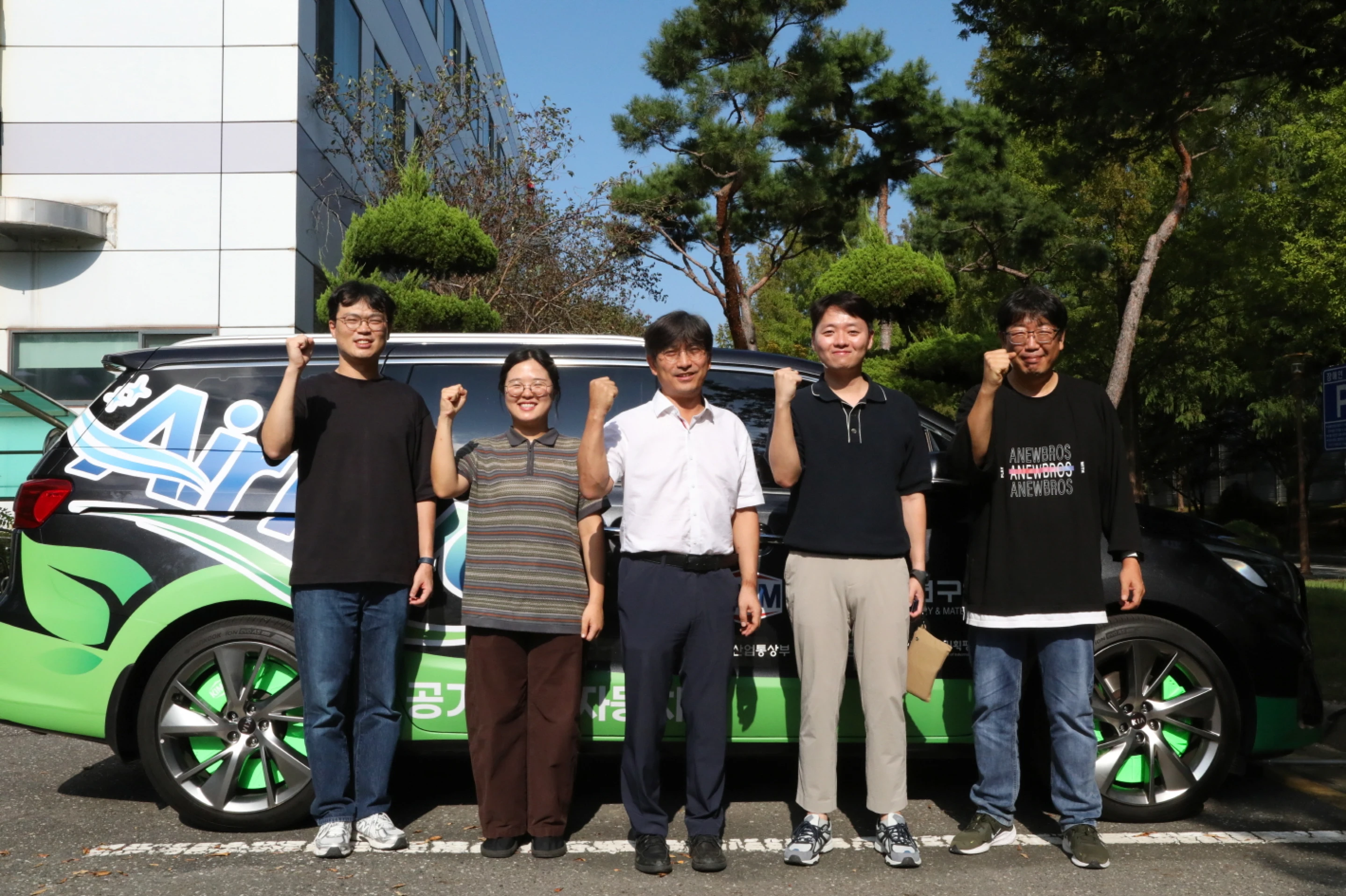
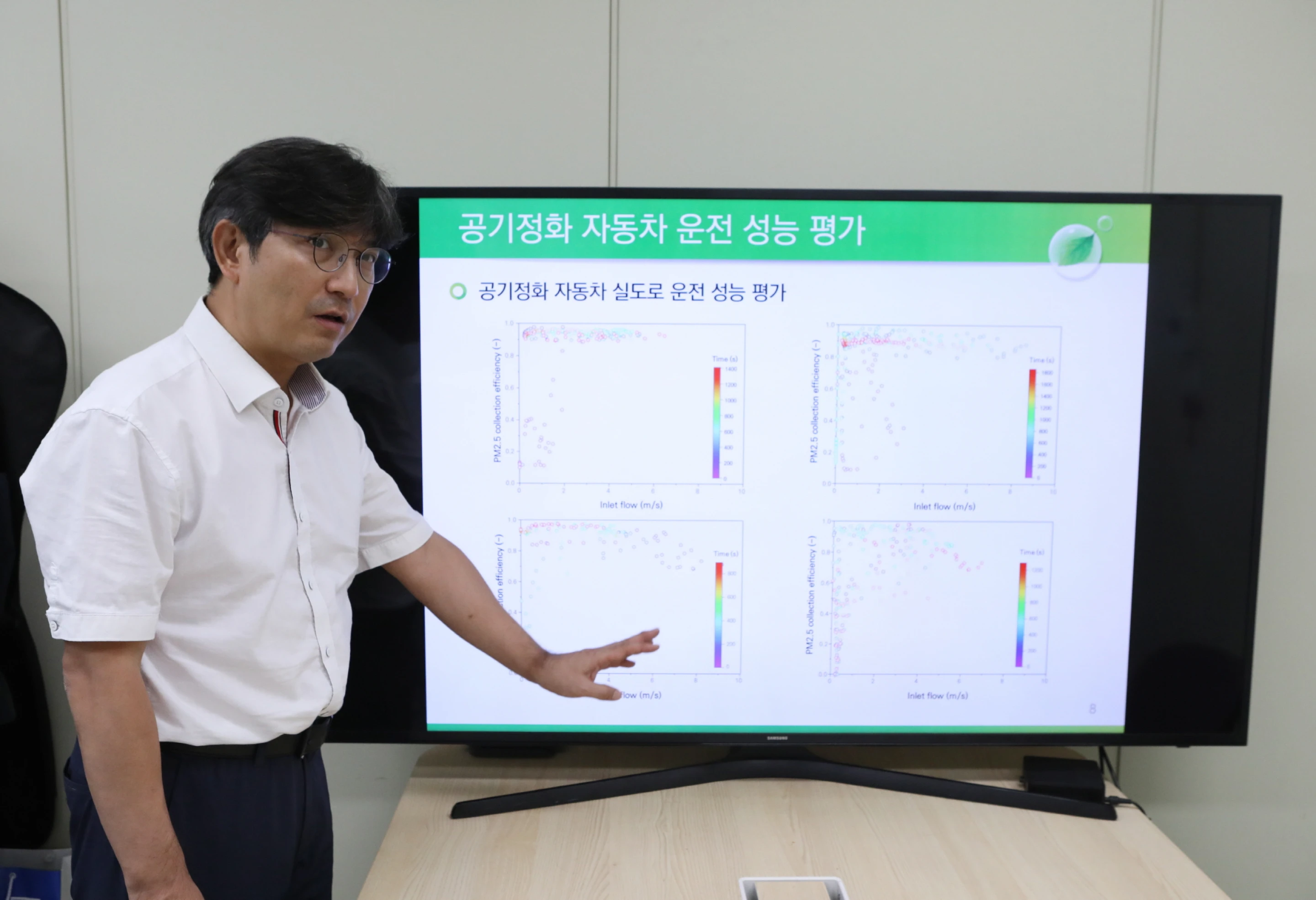
Preliminary testing demonstrates that the air purification device successfully removes a substantial proportion of atmospheric particulate matter while the vehicle is driven under normal operating conditions. Researchers suggest that if this technology is eventually deployed widely across passenger cars, taxis, and public buses, a vast fleet of moving vehicles could collectively establish a decentralized, distributed air purification network capable of assisting municipal efforts to improve urban air quality.
The scientific team emphasizes that the technology not only prevents a vehicle’s own friction-generated particulate pollutants from dispersing into the broader environment, but also simultaneously cleanses surrounding suspended particles from the air, offering meaningful environmental remediation potential. As global regulatory oversight regarding non-exhaust vehicle emissions continues to intensify, proactive particulate collection technologies of this nature may soon become an essential vector in automotive environmental design.
At present, the research team is actively advancing the commercialization of the technology, holding discussions with industrial partners to explore integration possibilities in mass-produced vehicle models. With the ongoing expansion of electric and autonomous vehicle fleets on public roadways, innovative engineering solutions that successfully combine daily transportation with active air purification are expected to attract increasing attention from the automotive sector.