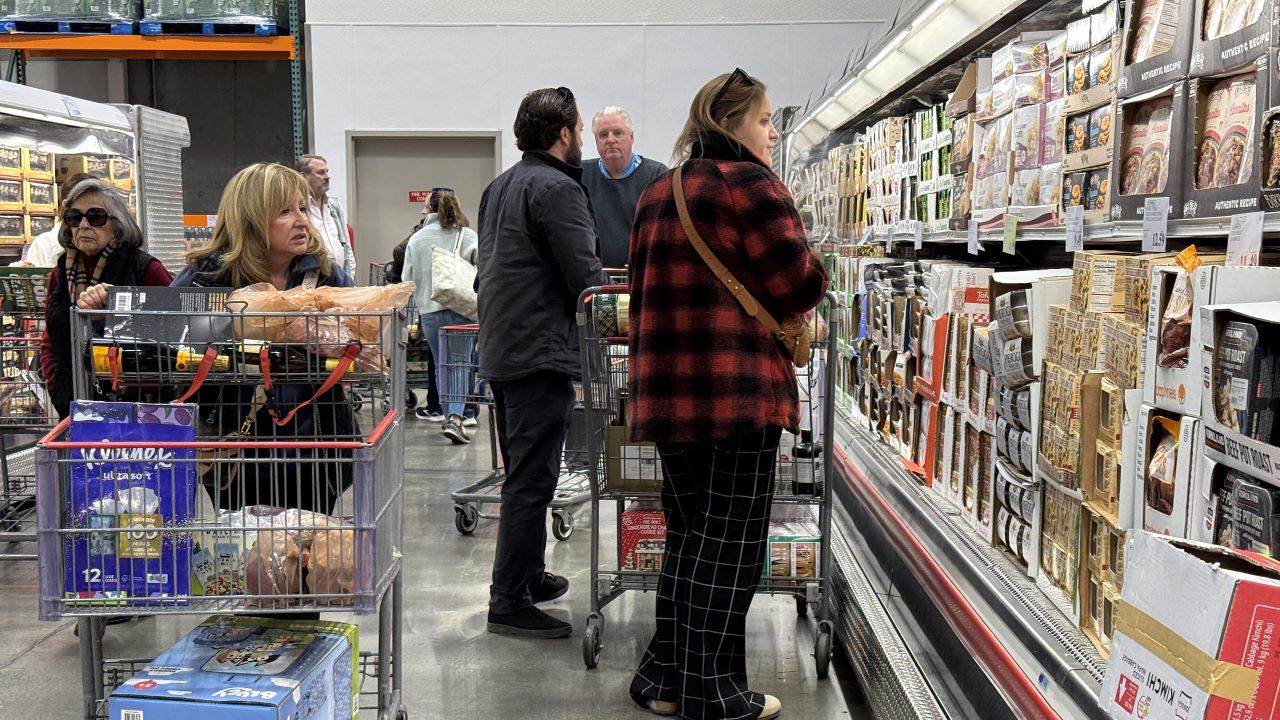
American households continue to feel the financial strain of inflation remaining persistently above the Federal Reserve’s target of 2% since the pandemic, with grocery expenses remaining a primary concern for consumers. Recent consumer price index figures released by the Bureau of Labor Statistics indicate that overall food prices climbed 2.5% over the past year. Specifically, the food at home index increased by 1.8% annually, while the cost of food away from home rose by 3.5%, nearly double the rate of grocery store food.
Financial planners emphasize that disciplined shopping habits can significantly ease household budgets without requiring drastic lifestyle changes. Kelli Smith, executive director of financial planning at Edelman Financial Engines, advises consumers to start with fundamental preparation by drafting an old-fashioned grocery list anchored to a weekly meal plan. Flexibility at the supermarket checkout also yields savings over time. Making strategic substitutions, such as choosing chicken when beef is expensive or selecting store-brand items over pricier national brands, accumulates meaningful financial relief.
Bulk purchases offer another avenue for economy, provided shoppers focus strictly on nonperishable or high-consumption staples that households will realistically consume before expiration dates arrive. Digital engagement can further reduce expenses, as numerous supermarket chains provide mobile applications and loyalty programs featuring digital coupons. Smith recommends reviewing these offers before leaving home, while warning shoppers to avoid chasing promotions for items they would not normally buy, which negates any perceived savings.
Rewards programs require a similarly discerning approach. While cash-back offers, loyalty points, and fuel rewards tied to regular grocery or gas station habits provide genuine value, consumers must avoid letting rewards drive purchasing decisions. Opening store credit cards solely for initial bonuses frequently generates long-term costs that outweigh immediate discounts.
Additional budgeting disciplines focus on pre-shopping inventory and trip frequency. Ted Jenkin, president of Exit Stage Left Advisors, advises consumers to inspect their refrigerators, freezers, and pantries before planning a trip to avoid duplicating existing items. Limiting supermarket visits to a single weekly stock-up trip rather than making multiple casual runs helps curb impulse purchases and prevents spending money on convenient extras like hot food bars.
Shoppers should also pay close attention to shelf labels rather than assuming larger packaging always guarantees better value. Checking the unit price frequently reveals that smaller containers cost less per unit of measure. Beyond purchasing habits, proper food storage plays a critical role in cutting waste. Managing refrigerator conditions for perishable items such as raw meat, milk, and fresh produce prevents premature spoilage and ensures household groceries are fully utilized.