America’s corporate leaders who rushed to embrace Donald Trump’s return to power with massive financial backing and public praise now face the prospect of intense congressional oversight as the political landscape shifts. Executives who staked corporate reputations and fortunes on the durability of the administration’s agenda are preparing for a potential wave of subpoenas if Democrats secure control of the House.
The impending shift threatens to drag the relationships between the White House and top executives into public view, forcing corporate chiefs into a difficult balancing act. Leaders must attempt to mend fences with congressional Democrats while avoiding retaliation from an administration that retains direct authority over federal contracts, trade tariffs, and regulatory policy.
Faced with this political pivot, many companies that previously dismantled diversity, equity, and inclusion programs or funded presidential projects are quietly hiring Democratic lobbyists and attempting to reestablish bipartisan ties. However, some prominent figures are choosing confrontation over conciliation.
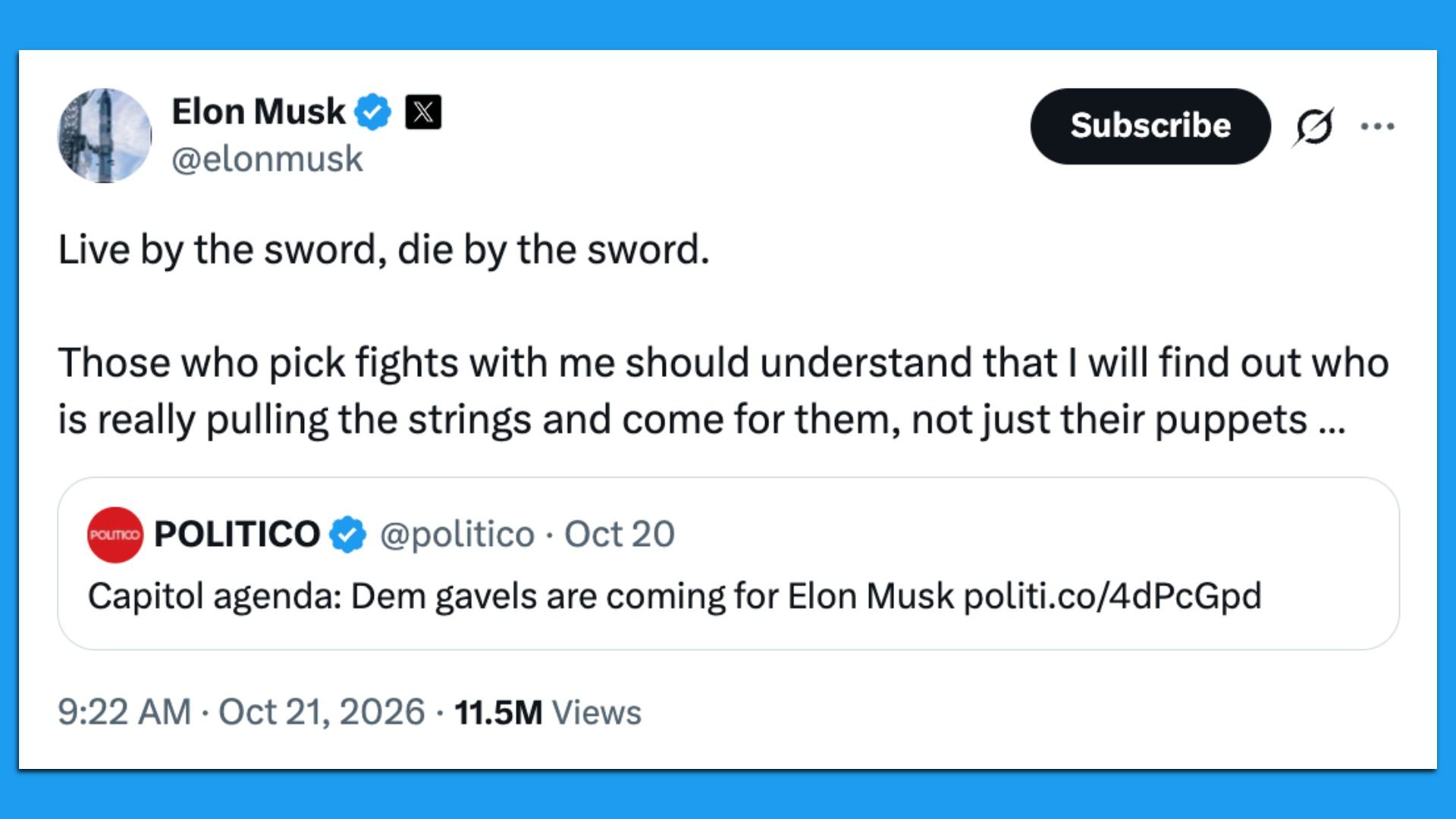
Billionaire Elon Musk, who poured $445 million into Republican super PACs during the election cycle, has threatened retaliation against lawmakers preparing to investigate his business empire and his tenure within the federal government. As the head of a short-lived government cost-cutting initiative, Musk oversaw mass federal layoffs and the dismantling of agencies like USAID while granting his team access to sensitive government systems. Congressional investigators are now examining whether his companies secured favorable contracts or regulatory rulings while he operated inside the administration.
Musk also faces scrutiny over foreign policy and communications. A vocal critic of Ukrainian leadership, Musk previously ordered Starlink restrictions that disrupted Ukrainian military satellite operations. Lawmakers are now demanding records of his communications with both Trump and Russian President Vladimir Putin.
Across the broader corporate landscape, the pursuit of presidential favor has left a documented trail of donations, policy concessions, and business deals that investigators intend to audit. Leaders in the artificial intelligence sector, who gained extraordinary influence over chip exports and regulatory policy, are among those facing inquiry. Meta’s Mark Zuckerberg, who early on set a benchmark for corporate reconciliation with the administration, faces scrutiny over lobbying efforts aimed at rolling back artificial intelligence safety regulations.
In the media sector, transactions involving Trump allies have drawn congressional interest. Larry Ellison helped finance his son David’s rise to media control, culminating in a massive takeover of Warner Bros. Discovery. Concurrently, Paramount paid $16 million to settle a presidential lawsuit against CBS while seeking federal approval for its Skydance merger.
Elite law firms also face legislative inquiry after succumbing to pressure campaigns that yielded $940 million in pledged pro bono legal services and policy concessions regarding diversity initiatives. Investigators are probing the specific terms of these agreements to determine whether firms compromised their institutional independence.
Other major corporate commitments under investigation include private funding for a massive White House construction project, which drew at least $333 million in private pledges—including $25 million each from Apple and Nvidia—from donors with pending business before federal agencies. Lawmakers are similarly questioning roughly $30 billion in equity and warrant arrangements across more than 40 companies where the federal government became a major corporate investor, examining whether political connections dictated recipient selection.
Fossil fuel companies, which saw major tax breaks and environmental rollbacks delivered after executives were asked to raise $1 billion for the 2024 campaign, are facing inquiries into the correlation between their political contributions and subsequent government benefits.
The sudden reversal underscores the traditional motivation behind corporate America’s historical practice of maintaining bipartisan relationships. Executives who spent years courting the administration may soon find themselves explaining the precise mechanics of how they obtained their influence.