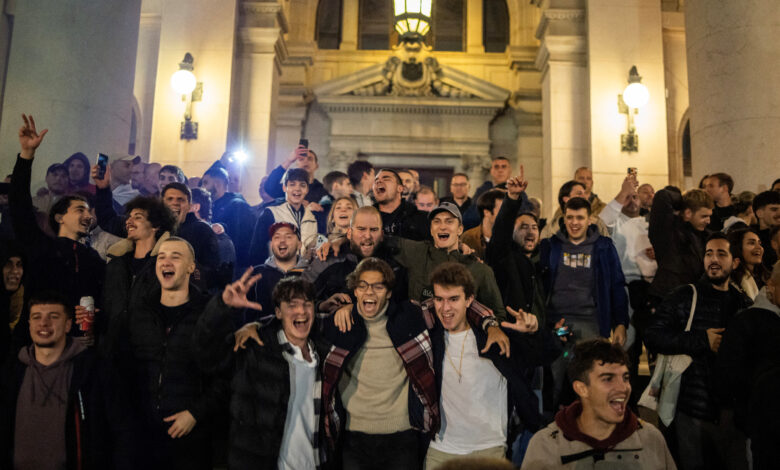
Serbia’s student protest movement has achieved what anti-government demonstrators in few other European capitals manage: unseating a deeply entrenched political leader through the ballot box. Following the defeat of longtime leader Aleksandar Vucic and his Serbian Progressive Party in Sunday’s parliamentary election, tens of thousands of citizens celebrated in the streets of Belgrade and across the country. Yet as the jubilant crowds lit flares, set off fireworks, and danced outside the parliament building, observers and participants alike confronted an unprecedented challenge. Neither the student activists nor their handpicked candidates possess any prior governing experience.
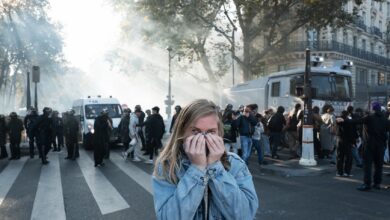
The election results capped two years of peaceful demonstrations that transformed the nation’s political landscape. The protest wave erupted after a devastating railway station canopy collapse in the northern city of Novi Sad in 2024 claimed 16 lives, sparking widespread public anger over systemic corruption and demands for institutional accountability. Operating largely without a traditional figurehead, the decentralized movement organized across the country before selecting 250 professional candidates to represent them under the banner of the “Student List – Students Win” electoral list. The slate comprises a diverse group of academics, lawyers, doctors, actors, farmers, and musicians.
Now, the movement faces the intricate and demanding reality of statecraft. Analysts note that while the victory opens the door for sweeping institutional reforms focused on anti-corruption, the rule of law, and public service revitalization, significant hurdles remain. Potential bureaucratic resistance to overhauls and the coalition’s lack of administrative background could complicate the transition. Under Serbia’s constitutional framework, the newly elected representatives have 90 days to form a government once the state election commission finalizes results and parliament convenes.
Time is of the essence. The incoming administration must pass a national budget before the end of the year amidst rising public and private debt levels. Furthermore, any credible anti-corruption campaign will necessitate deep structural reforms across the judiciary, police, and intelligence apparatus. Legal experts describe the state institutions as requiring a thorough detoxification following 14 years under Vucic’s administration. Vucic and the Serbian Progressive Party have consistently denied allegations of corruption and political repression.
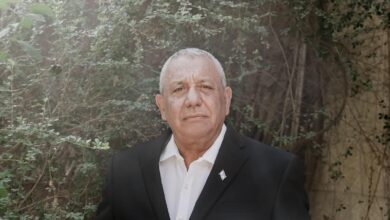
The coalition’s internal cohesion remains another critical unknown. Prominent figures associated with the movement include Ilija Srdanovic, a cardiologist who headed the candidate list; former central bank governor Dejan Soskic; and Radomir Sajcic, a professor at Belgrade University. However, it remains uncertain whether these prominent individuals will assume ministerial portfolios, or if the broader group of political newcomers can maintain unity long enough to leverage their parliamentary majority. Vucic’s party is also expected to mount a formidable opposition in parliament.
Externally, the political shift is being closely monitored by major global powers, given Serbia’s pivotal economic and geopolitical standing as the largest economy in the Western Balkans. The Student List has outlined a platform centered on domestic anti-corruption measures and institutional rebuilding. Regarding foreign policy, the movement maintains that Serbia will not recognize Kosovo, the former southern province that declared independence in 2008. The platform also calls for a national referendum on accession to the European Union, which serves as Serbia’s primary trading partner but has experienced frayed diplomatic ties in recent years.
Relations with traditional allies and regional stakeholders are also under scrutiny. In Moscow, Kremlin spokesman Dmitry Peskov praised Vucic while withholding congratulations from the victorious student movement. Meanwhile, Jovo Bakic, a sociologist, university lecturer, and representative for the Student List, told Russian media that Serbia’s foreign policy toward Russia would remain unchanged, including maintaining a stance against introducing sanctions on Moscow. Russia has historically served as Serbia’s primary supplier of natural gas. At the same time, Ukraine—which has indirectly benefited from Serbian munitions during its ongoing conflict—along with European Union officials, are watching the transition closely, with European representatives offering support for the country’s upcoming anti-corruption efforts.