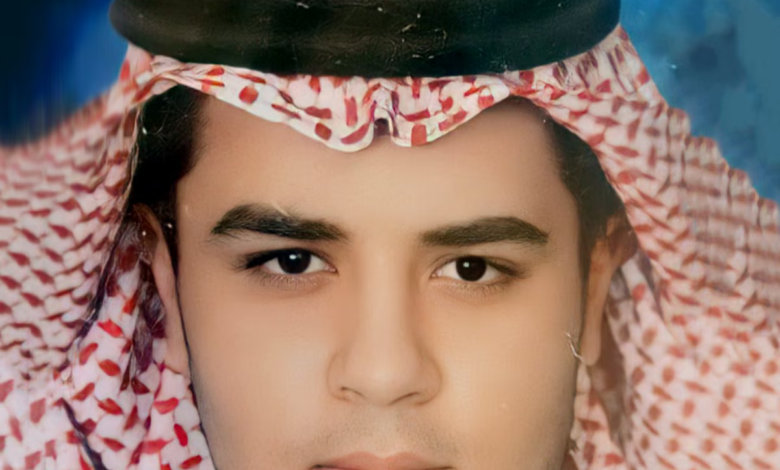
Saudi authorities have carried out the execution of Hassan Zaki al-Faraj, a 29-year-old man convicted of offenses allegedly committed when he was a minor. The execution, which took place on October 17 without prior notice, has drawn intense criticism from human rights monitors who argue it directly contradicts the kingdom’s public commitment to end capital punishment for childhood crimes.
Faraj was arrested for his participation in protests regarding the treatment of the Shia majority in the Eastern Province. At the time of the alleged offenses, he was 14 years old. According to the MENA Rights Group, Faraj’s detention was characterized by severe violations of legal standards, including allegations of torture and being held in solitary confinement for extended periods. The group reported that he was denied contact with the outside world for long stretches of his imprisonment before being executed alongside four other men convicted in the same case.
The execution comes four years after Saudi Arabia announced a royal decree in 2020 intended to scrap the death penalty for crimes committed by minors. At the time, the move was seen as a cornerstone of the kingdom’s efforts to modernize its judicial system and address long-standing international concerns regarding human rights. However, legal advocates now contend that the government has abandoned the pretense of this reform.
Jeed Basyouni, who heads death penalty projects for the human rights organization Reprieve, characterized the kingdom’s previous claims of abolition as a falsehood. Advocacy groups are now warning of a “horrific pattern” where young men are accused of attending demonstrations as teenagers, tortured into signing confessions, and eventually sentenced to death on terrorism-related charges.
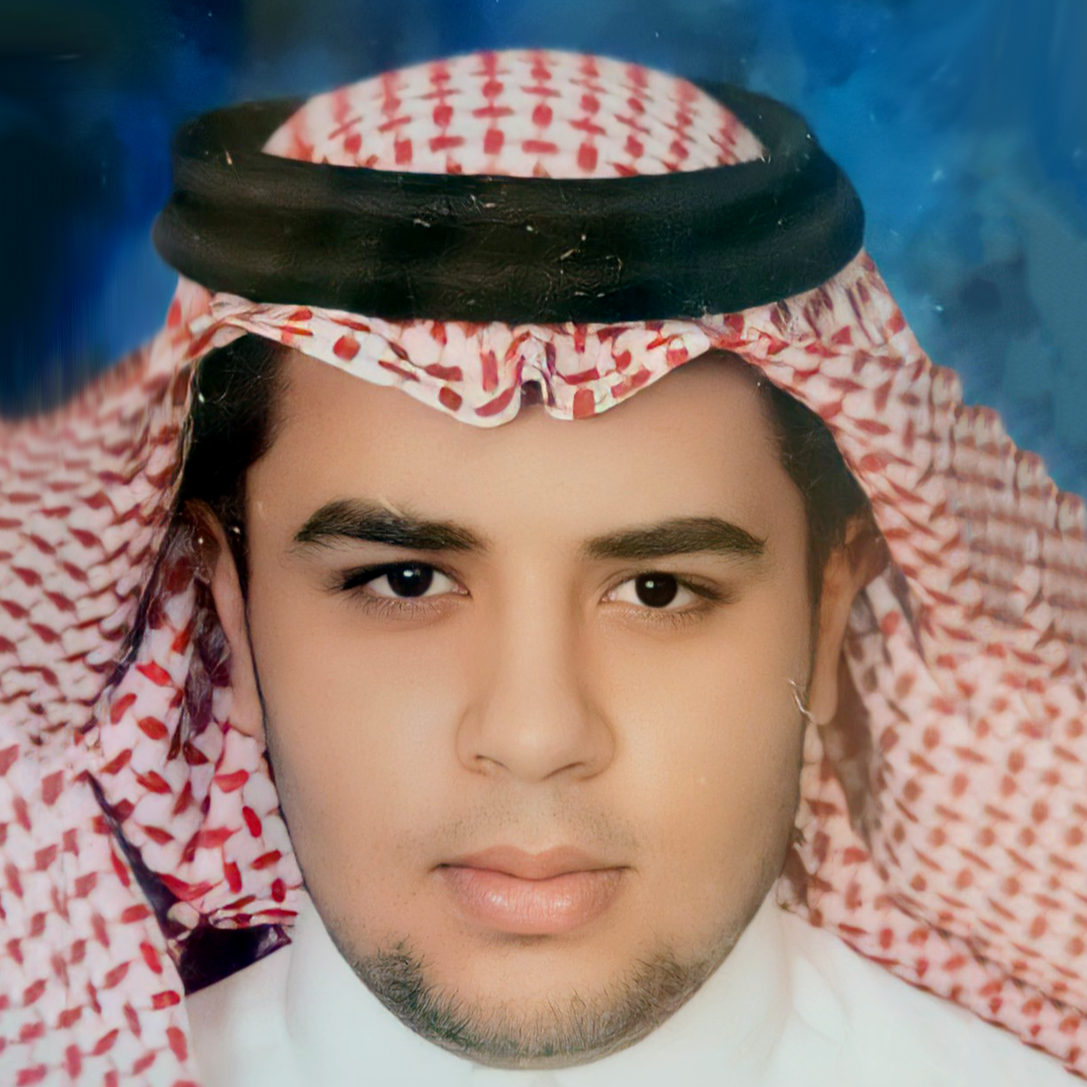
The focus of international concern has shifted to the case of Yousef al-Manasif, a 30-year-old man who currently faces imminent execution under similar circumstances. Manasif was arrested in 2017 and charged with numerous offenses, including joining a terrorist cell, inciting sedition, and participating in riotous gatherings that allegedly threatened the stability of the kingdom. Human rights groups state that Manasif was only 15 years old when he was involved in the Arab Spring-related protests in his hometown of Qatif.
Reports indicate that Manasif was coerced into signing a false confession and was not allowed to meet with his state-appointed lawyer until 2022, five years after his initial arrest. Despite the 2020 change in the law, both Manasif and Faraj were sentenced to death in November 2022. Advocates argue that Manasif was simply “in the wrong place at the wrong time” during the Qatif demonstrations.
Recent data from the European Saudi Organisation for Human Rights (ESOHR) indicates a sharp rise in capital punishment within the kingdom. The organization recorded 347 executions in 2025, a figure that followed a then-record of 345 in 2024. Many of these cases did not meet the international legal threshold of “most serious crimes,” with a significant number of executions related to drug-offenses rather than violent acts. Other reporting suggests that nearly 100 people had already been executed by mid-year in the current cycle.
Diplomatic pressure is mounting on international partners to intervene. There is established precedent for successful intervention; in 2021, Saudi Arabia commuted the death sentences of three men for childhood crimes and resentenced them to 10-year prison terms following diplomatic outreach. Experts suggest that strong intervention from the British Foreign, Commonwealth and Development Office (FCDO) and other Western allies could potentially save Manasif’s life.
Saudi Arabia remains the only nation that continues to use beheading as a primary method of execution. The death penalty in the kingdom is applied to a wide range of offenses, extending from murder and terrorism to drug trafficking and blasphemy. While the government has sought to reposition its global image through massive investment and social changes, the continued execution of youth offenders like Faraj remains a primary point of friction with the international community.
Joey Shea, a researcher at Human Rights Watch, described Faraj’s execution as unconscionable, citing a record of unfair trials and evidence tainted by torture. As the legal status of other youth defendants like Jalal al-Labbad, Abdullah al-Derazi, and Ali al-Subaiti remains precarious, the international community continues to monitor whether the kingdom will uphold its 2020 commitments or continue the current trend of executions.