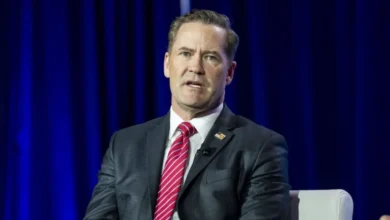
Brazilians head to the polls on Sunday for a presidential run-off election that pits incumbent President Luiz Inácio Lula da Silva against right-wing Senator Flávio Bolsonaro. The contest in Latin America’s largest democracy has drawn intense global scrutiny, carrying major implications for the future of the Amazon rainforest, domestic governance, and international diplomatic alignments.
The election marks the first presidential vote since former President Jair Bolsonaro was placed on house arrest for his involvement in a failed 2023 military coup aimed at overturning prior election results and assassinating senior officials. Despite his father’s legal status, Flávio Bolsonaro emerged slightly ahead in the initial round of voting, positioning himself as the frontrunner entering Sunday’s decisive ballot.
Campaign messaging from the Bolsonaro camp has centered heavily on a promise to pardon and free the former president. Observers note that the stakes extend directly to the family’s legal standing, pointing to multiyear sentences and ongoing investigations facing other relatives, including brother Eduardo Bolsonaro, who remains in self-exile in the United States following lobbying convictions.
A central international flashpoint in the race involves environmental policy, particularly the fate of the Amazon rainforest. Under Jair Bolsonaro’s administration, deforestation rates soared. Critics warn that a victory for his son could accelerate ecological degradation, pushing the rainforest toward a potential tipping point where it could transform into a savanna, with cascading consequences for South American rainfall patterns and global climate stability.
The campaign has also unfolded amid friction regarding foreign influence. President Lula’s campaign has accused both U.S. political figures and technology firms of attempting to sway the electorate in favor of Flávio Bolsonaro. Specifically, Lula’s administration recently denied entry visas to two U.S. officials over alleged interference, a claim that the U.S. State Department has strongly rejected as baseless.
Simultaneously, questions surrounding digital platforms have featured prominently in public debate. Representatives for Meta have faced intense scrutiny over algorithmic visibility and content moderation decisions affecting political campaigns. In response to recent inquiries and court directives, Meta maintained that its platform rules are applied neutrally and without political targeting, attributing prior account restrictions and technical discrepancies to documented administrative errors rather than intentional manipulation.
As voters finalize their choices, the outcome of Sunday’s run-off will determine not only the immediate domestic leadership of Brazil but also its geopolitical trajectory regarding trade relations with major global economies and environmental stewardship across the region.