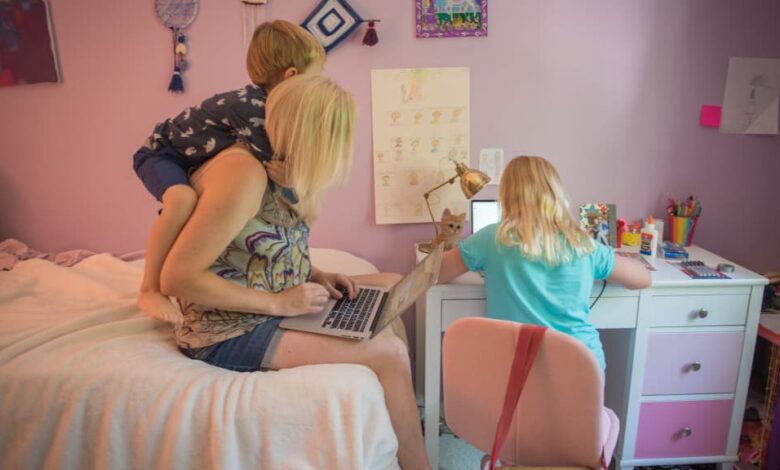
The shift toward remote work was widely heralded as a potential revolution for working parents, promising a way to dissolve the rigid barriers between professional obligations and domestic needs. By allowing parents to multitask—preparing meals between meetings or tending to a sick child while remaining present on a video conference—the expectation was that the chronic stress of the modern “time-bind” would finally loosen its grip. However, new research published in the journal Science suggests that this promised relief may be an illusion.
A study of more than half a million Americans indicates that the rise of remote work has not necessarily improved parental mental health. In some instances, the data suggests that the transition to working from home may have even contributed to increased mental distress. Researchers reached these conclusions by examining clinical indicators of well-being, such as the use of medication for depression or anxiety and the frequency with which individuals sought help from mental health professionals.
To understand the specific impact of the home-office environment, the research compared individuals in roles that are naturally conducive to remote work—such as software engineers and customer service representatives—against those in professions that require a physical presence, such as mechanical engineers and retail cashiers. The goal was to determine if the inherent flexibility of remote-capable jobs resulted in a measurable decrease in psychiatric distress compared to those who must show up in person.
On the surface, the benefits of remote work for a family appear obvious. The study notes that parents working from home can theoretically manage domestic logistics more smoothly, such as putting dinner in the oven during a break so it is ready before children’s “hangry” tantrums begin. Similarly, a child with a minor illness can sleep at home while a parent continues a productive day over Zoom, potentially saving the parent from taking a formal sick day.
Yet, the data from 500,000 participants reveals a more complex reality. While the physical constraints of the workday may have lessened, the psychological toll has remained stagnant or worsened. The study’s findings call into question whether the convenience of blending career and caregiving tasks actually alleviates burnout, or if it simply creates a new, more pervasive form of pressure. As organizations continue to evaluate long-term remote work policies, the research indicates that flexibility alone may not be the panacea for the mental health challenges facing modern American families.