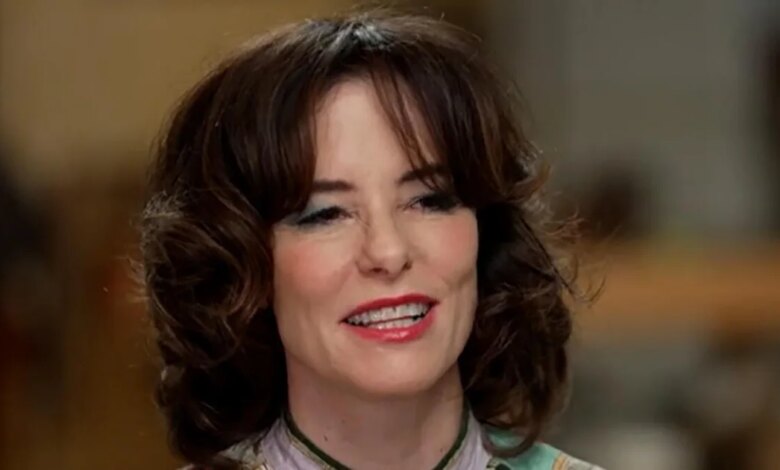
Long before she was an Emmy-nominated fixture of premium television, Parker Posey was a sixteen-year-old student at the North Carolina School of the Arts in Winston-Salem, navigating the early uncertainties of a career in performance. Decades later, with a filmography that spans the definitive independent films of the 1990s and high-profile blockbusters, Posey is reflecting on a journey she describes as being in the “right place at the right time.”
Posey’s recent career resurgence is anchored by her role in the third season of “The White Lotus.” Her portrayal of Victoria Ratliff, a pill-popping North Carolina matriarch, earned her an Emmy nomination and allowed her to tap into her deep Southern roots. Raised in Monroe, Louisiana, and Laurel, Mississippi, Posey credits her family’s penchant for storytelling and humor as the foundation of her acting style. Her mother, Lynda, was a chef, and her late father, Chris, owned a car dealership—a place where a young Posey would often practice accents and imitations over the showroom speakers.
“I love the drama that the South brings,” Posey noted, recalling how local characters influenced her performance as Victoria Ratliff. She described being fascinated by the specific cadences of Southern speech, such as a woman in a grocery store making the word “Romaine” sound like a theatrical event. This observational humor was a family trait; she recalled her father taking her mother on “dates” to grocery stores when money was tight, making up elaborate stories about the people they saw just to make her laugh.
Posey’s professional breakthrough began while she was attending the acting program at the State University of New York in Purchase. She was quickly cast as Tess Shelby on the soap opera “As the World Turns,” a role that required a rapid transition from the classroom to a professional set. By 1995, she landed her first major lead in the cult classic “Party Girl,” which served as the springboard for a series of critically acclaimed, lower-budget films including “Clockwatchers” and “The Daytrippers.”
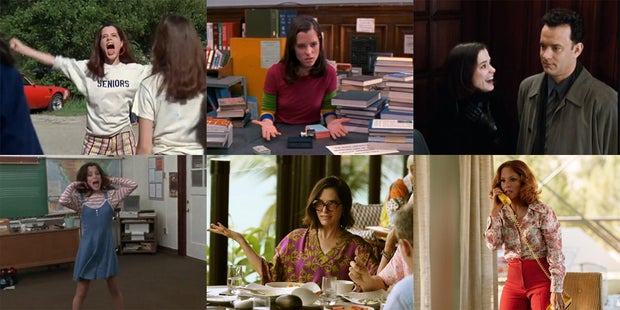
In 1997, Time magazine officially labeled her “The Queen of the Indies.” While the title cemented her status as a cultural icon of the era, Posey admits the moniker was a mixed blessing. She noted that being labeled often feels like being placed in a corner, creating a pedestal that others eventually feel the need to knock down. Nevertheless, she transitioned seamlessly into the mainstream and the experimental, becoming a core member of Christopher Guest’s improvisational ensemble in films like “Waiting for Guffman” and “Best in Show.”
Posey’s work in the Guest films allowed her to explore the shifting cultural landscape of the early 2000s, including the burgeoning trend of people treating pets as children—a sentiment she shared through her own bond with her dog. Today, she finds herself connecting with a new generation of fans in their late teens and early twenties who are discovering her 90s independent work for the first time.
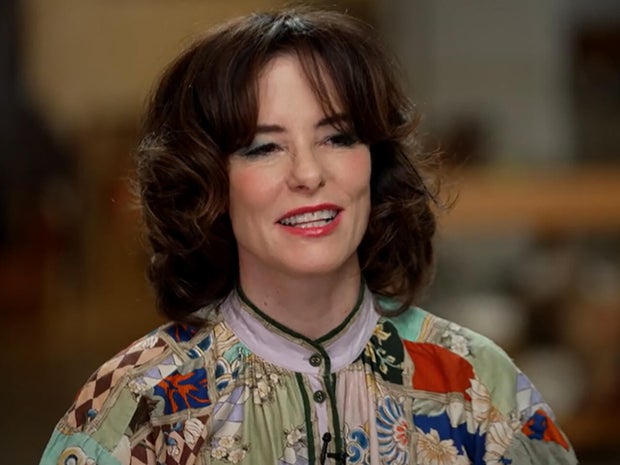
Her current slate remains busy. In addition to her work on “The White Lotus,” Posey is hosting a new reality series titled “The Mob” and appearing in the film “Wild Horse Nine” alongside John Malkovich and Sam Rockwell. Though her role in the latter is brief, appearing in only two scenes, Posey maintains that the size of the part is secondary to the quality of the project.
Looking back at her start, Posey recalled the encouragement of her early teachers who saw her potential before she did. While she acknowledges the path has not always been easy, she remains grateful for the guidance of her family and mentors that led her from the car dealership speakers in Mississippi to the forefront of American cinema.